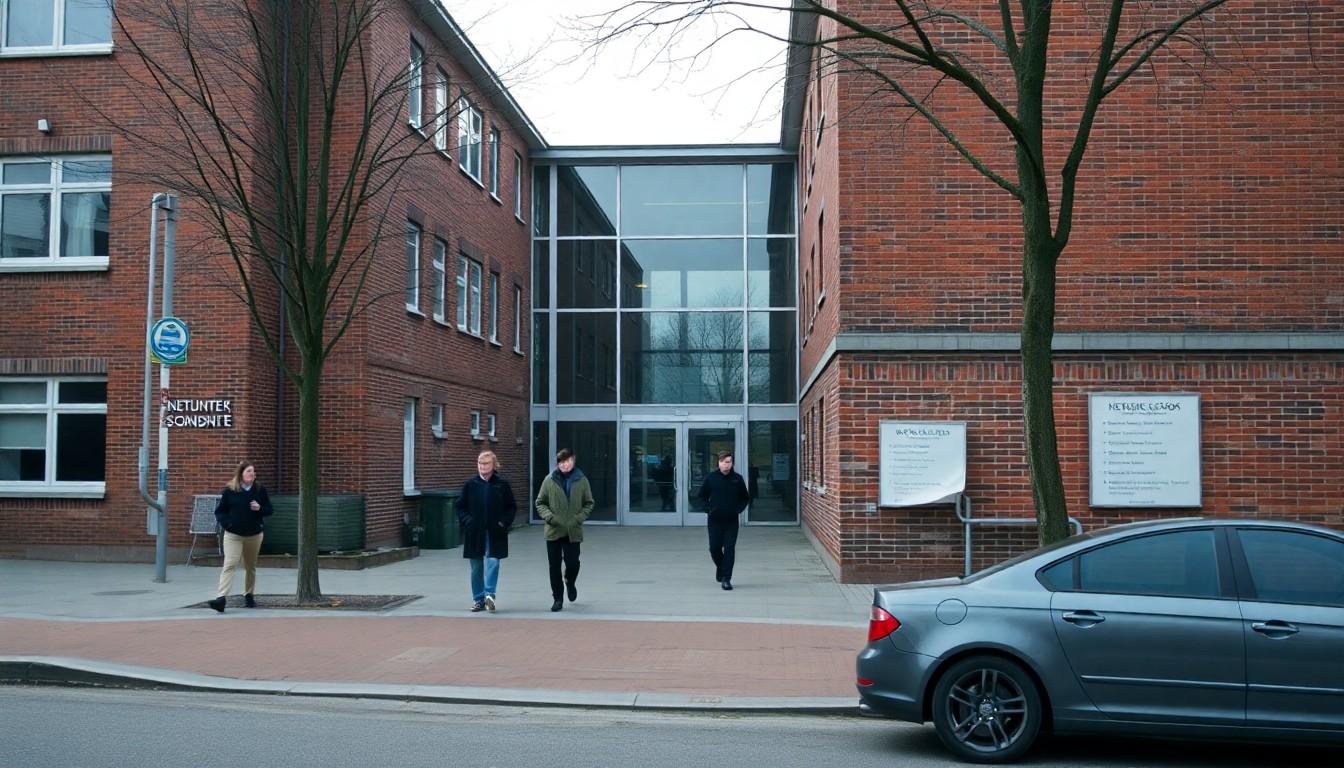
Teachers and researchers are warning that LGBTQ+ acceptance among young people in the Netherlands is slipping, with new survey findings suggesting a sharper decline among boys. The change matters in classrooms, corridors and online spaces, where everyday language can quickly become a test of whether students feel safe, seen and welcome.
Essential Takeaways
- Acceptance is weakening: Recent Dutch research points to a marked decline in positive attitudes towards homosexuality among teenagers.
- Boys show the sharpest shift: The fall appears particularly pronounced among male students, according to reporting on the research.
- Language matters: Using “gay” as an insult can make school feel hostile, even when it’s dismissed as a joke.
- Visibility still counts: Pride events, rainbow flags and school alliances can signal that LGBTQ+ pupils belong.
- Trusted adults help: Teachers and informal support groups give questioning students somewhere calm to talk.
A worrying change in the classroom
The most striking finding is also the hardest to shrug off: around four in ten young people reportedly consider two boys kissing “disgusting”. That figure comes from research discussed by the Trimbos Institute, which found that acceptance of homosexuality among Dutch teenagers has fallen substantially. Reporting by RTL described the trend as deeply concerning, rather than a minor swing in opinion.
For Burçak Şikar, an English teacher in Hengelo who has taught for more than 15 years, the result feels familiar. He says the word “gay” is still regularly used as an insult at school, creating a low-level background hum of hostility. It’s the sort of comment adults can overlook, but pupils hear it differently when they’re questioning their identity.
The wider picture is troubling, too. Coverage from Dagkern and LINDA linked the decline to a harsher social climate, greater polarisation and the influence of online content. Young people don’t form opinions in isolation; they absorb what parents, influencers, peers and political voices repeat around them.
Why boys appear to be moving backwards
The sharpest drop has reportedly been seen among boys. Netgebeurd highlighted that acceptance among male teenagers has almost halved in some measures, while other coverage pointed to a growing gap between boys and girls. That divide raises uncomfortable questions about how masculinity is being presented and policed.
Social media can intensify the effect. Research summaries from Slimme Kids describe teenagers being drawn into narrow online bubbles, where the same messages are repeated until prejudice starts to look like common sense. A young person who wants approval from a group may copy its language before fully understanding its impact.
There’s also a basic human pressure at work. Adolescence is full of uncertainty, and standing apart can feel risky. If a group treats toughness, heterosexuality or a rigid idea of manhood as the norm, anything outside it becomes an easy target.
Why a rainbow flag still matters
Critics sometimes ask why LGBTQ+ people need Pride, special school days or rainbow symbols when heterosexual pupils don’t receive the same treatment. Şikar’s answer is straightforward: heterosexual people aren’t generally threatened, abused or punished because of their orientation. RTL’s coverage of the research made the same broader point: formal equality doesn’t automatically create everyday safety.
That’s why visibility can feel both powerful and provocative. A rainbow flag is a small object, but it tells pupils that the school has made a choice about welcome and dignity. When flags or posters are removed, the argument is no longer abstract. Someone is testing whether inclusion is allowed to take up space.
Schools therefore have a difficult but important job. The Trimbos Institute’s findings suggest that acceptance can’t be assumed, while reports from LINDA and Dagkern underline the need for active education and open discussion. Avoiding the subject may keep the peace for a day, but it leaves young people to learn from louder, less reliable voices.
Practical ways schools can create safer spaces
The most effective support doesn’t always look dramatic. A teacher who calmly challenges a slur, a tutor who uses inclusive examples, or a lunchtime group where pupils can talk without performing confidence can all make a meaningful difference.
Şikar describes meeting students informally, with food on the table and no pressure to stand at the front of a campaign. That matters because not every pupil wants a purple wristband, a rainbow badge or public visibility. Some simply need one adult who listens without turning their uncertainty into an announcement.
Schools should also make their rules clear. A rainbow week works best when it sits alongside consistent action on bullying, respectful language and pastoral care. The message shouldn’t be that LGBTQ+ inclusion is a once-a-year theme; it should be part of what safety means every day.
The quiet value of one trusted teacher
For some pupils, a supportive teacher may be the first person they tell that they’re gay, bisexual, trans or unsure. Şikar says students have shared coming-out worries and identity questions with him, and that one former pupil later wrote to explain how much those conversations had helped.
That kind of trust cannot be manufactured with a poster. It grows from small, repeated signals: a teacher mentioning their partner naturally, challenging an insult fairly, and allowing difficult questions without humiliation. Dagkern and Slimme Kids both point towards the importance of open, informed environments rather than silence.
The outlook isn’t hopeless, but it does demand attention. Acceptance can fall when adults assume younger generations will automatically be more tolerant. In the meantime, the most ordinary acts of support may be the ones that help a nervous teenager feel less alone.
Small signals of welcome can make a school feel safer for everyone.
Source Reference Map
Story idea inspired by: [1]
Sources by paragraph: