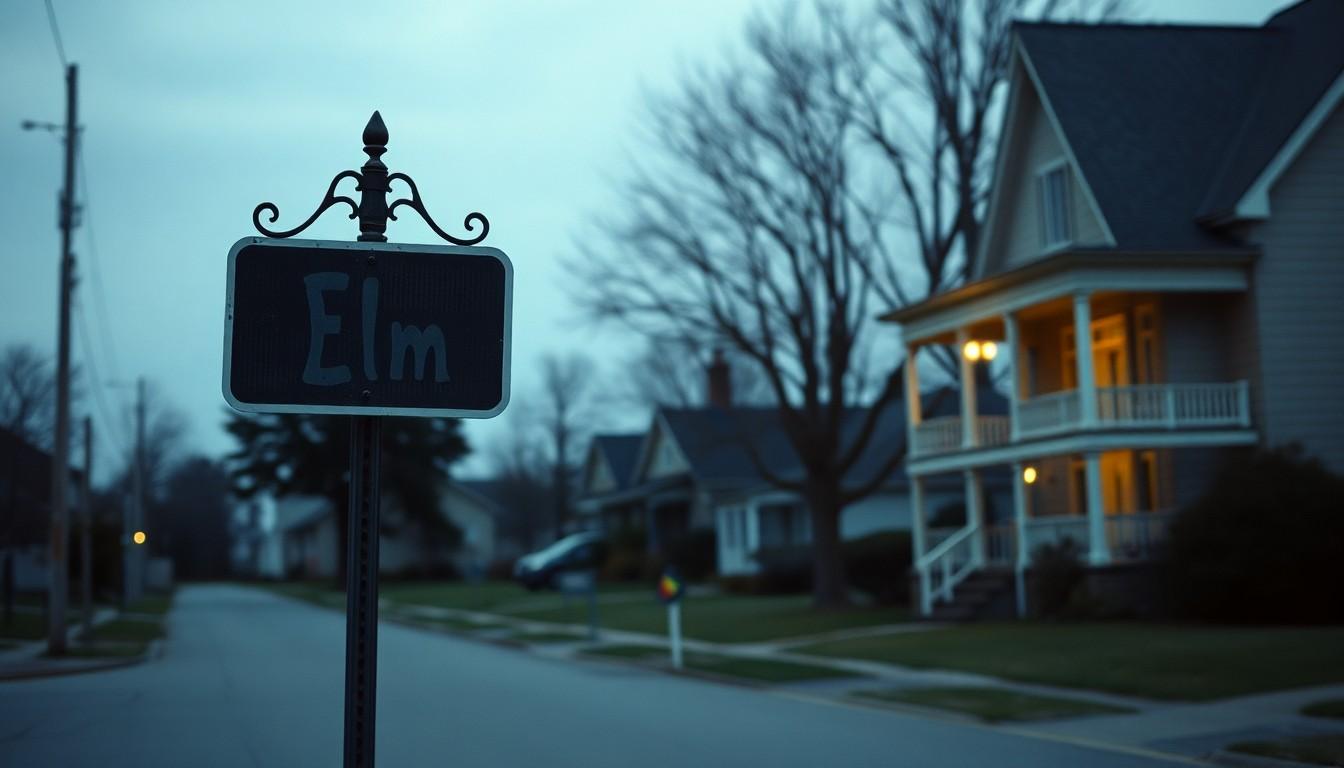
Viewers revisiting A Nightmare on Elm Street 2: Freddy’s Revenge this Halloween are finding a sequel that feels stranger, bolder and far more queer-coded than its predecessor. Released in 1985, the film follows a new teenager facing Freddy Krueger, while its charged imagery and unusual themes have helped make it a lasting LGBTQ+ horror touchstone.
Essential Takeaways
- A landmark sequel: Freddy’s Revenge was released in 1985 as the second film in the Elm Street franchise.
- A different kind of nightmare: The story shifts from Nancy Thompson to Jesse Walsh, giving the series a new emotional centre.
- Queer subtext matters: The film’s imagery, tension and themes have fuelled decades of LGBTQ+ interpretation.
- Camp meets menace: Its theatrical villainy and heightened performances give the film a glossy, memorable edge.
- Still worth revisiting: Even viewers who know the franchise can find fresh meaning in its strange, uneasy atmosphere.
The sequel that changed the mood
The first A Nightmare on Elm Street introduced audiences to a dream-stalking killer with a grimy, surreal edge. Freddy’s Revenge takes that foundation and pushes it somewhere more flamboyant, more physical and considerably more uncomfortable.
Jesse Walsh moves into the old 1428 Elm Street house with his family, only to find himself plagued by violent dreams. As the haunting intensifies, the film turns his body, identity and fear into the main battleground. That makes the sequel feel less like a straightforward continuation and more like a feverish coming-of-age nightmare.
According to IMDb, the film stars Mark Patton as Jesse, alongside Kim Myers and Robert Englund. Its story is recognisably part of the same franchise, but its tone is much more individualistic, which helps explain why it has endured beyond its initial reputation.
Why Freddy's Revenge became a queer horror touchstone
The film's queer reading isn't based on one isolated detail. It's built from the atmosphere: Jesse's panic about what is happening to him, his struggle to control an invasive force and the charged relationships surrounding him.
The story repeatedly frames Jesse's transformation as something frightening that he can't simply explain away. For many viewers, that has resonated with the experience of hiding, repressing or fearing an aspect of oneself. The horror is literal, but the emotional metaphor is hard to miss.
Horror Guys' retrospective coverage highlights the film's distinctive place within the franchise. Its reputation has also grown through reappraisal, as audiences have become more willing to discuss how queer subtext can exist in genre cinema even when a film was marketed as a conventional supernatural thriller.
Camp, leather and a very memorable villain
Freddy's Revenge is often remembered for its visual and tonal excess. The film isn't content to keep its villain lurking in the shadows; instead, it lets Freddy invade the everyday world with increasingly theatrical confidence.
That heightened style gives the sequel a curious double life. It can be watched as a tense supernatural thriller, but it also plays like campy performance art, with Robert Englund's Freddy edging closer to the showman audiences would come to know in later instalments.
The result is a film that feels unusually tactile. Sweat, cramped rooms, harsh lighting and sudden bursts of violence create a sticky, oppressive atmosphere. It isn't always subtle, but subtlety was never really Freddy's preferred mode.
Is it the best Nightmare sequel?
That depends on what you're after. Viewers looking for polished mythology or elaborate dream logic may prefer later entries, while fans of the original's raw atmosphere might find this sequel less controlled.
Tom's Guide's franchise ranking reflects the fact that the Elm Street films inspire strong opinions, particularly when comparing their scares, practical effects and changing levels of comedy. Freddy's Revenge may not satisfy everyone as a traditional sequel, but its unusual personality makes it difficult to dismiss.
For a Halloween rewatch, it's best approached on its own terms. Don't expect another Nancy-centred slasher. Instead, look for an anxious, surreal film about a teenager whose private fears begin spilling into public life.
How to watch it with fresh eyes
Start with the context of 1985, when mainstream genre films rarely addressed queer experience directly. That doesn't mean every image should be treated as a definitive statement, but it does make the film's patterns and emotional tensions worth considering.
It also helps to separate intention from reception. A film can carry meanings its creators didn't fully articulate, particularly when later audiences bring new language and lived experience to an older work. That's part of what keeps cult cinema alive.
And if the film feels wonderfully odd, that's the point. Freddy's Revenge is at its most interesting when it refuses to behave like a tidy franchise instalment. It leaves viewers with the uneasy sense that the nightmare isn't only coming from outside.
It's a strange, stylish sequel that still rewards a closer look.
Source Reference Map
Story idea inspired by: [1]
Sources by paragraph: