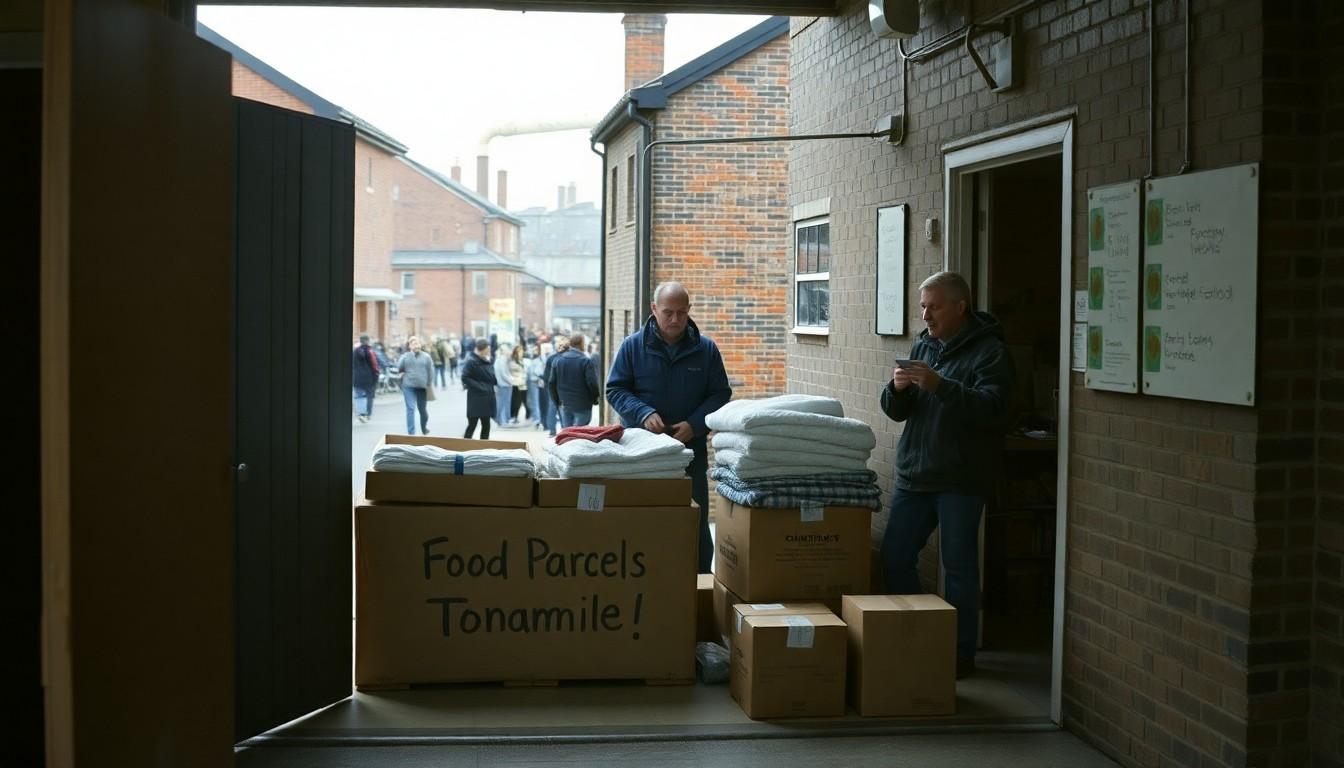
Readers are revisiting the remarkable story of Lesbians and Gay Men Support the Miners, the grassroots network that linked LGBTQ activists with coalfield communities during Britain’s 1984-85 miners’ strike. Their fundraising, friendship and solidarity challenged prejudice on both sides, showing how unlikely alliances can reshape communities and leave a lasting political legacy.
Essential Takeaways
- A year-long industrial battle: The 1984-85 miners’ strike opposed pit closures and threatened job losses across mining communities.
- An unexpected alliance: LGBTQ activists raised money, food and clothing for miners and their families.
- Support spread nationally: The original London group inspired around ten similar groups across the UK.
- Friendship changed attitudes: Regular contact helped reduce homophobia in some mining communities.
- The legacy still resonates: LGSM remains a vivid example of solidarity crossing social and political boundaries.
The miners’ strike set the stage
The miners’ strike was about far more than coal. Beginning in 1984, it brought mining communities into a fierce confrontation with Margaret Thatcher’s Conservative government over proposed pit closures, the future of the industry and the power of trade unions. For families in coalfield towns, the dispute touched everything from household budgets to local identity.
The atmosphere was tense and often intimidating. Police forces were used to manage picketing and protect miners who continued working, creating deep resentment in communities that already felt under pressure. Accounts gathered by the Lesbians and Gay Men Support the Miners organisation describe how the strike turned daily life into a test of endurance, with food, rent and heating becoming urgent concerns.
How LGSM began with a simple act of support
The first London group emerged after activists Mark Ashton and Mike Jackson heard a striking miner speak about the hardship faced by mining families. They began collecting donations at London Pride, an event that was still primarily a political demonstration rather than the large commercial celebration many people recognise today.
That small fundraising effort quickly became something bigger. Donations were channelled towards essentials such as food, clothing and household support, helping families survive a dispute that stretched through the seasons. The official LGSM history records how the group grew as more activists joined and support expanded beyond the capital.
There was a practical warmth to the campaign. This wasn't solidarity as an abstract slogan; it meant filling collection boxes, organising meetings and making sure people had something to eat. That hands-on approach helped turn a political connection into a human one.
Why these communities recognised each other
At first glance, gay and lesbian activists and striking miners might not seem like obvious allies. Yet both communities faced hostile press coverage, official suspicion and social stigma. Each understood what it meant to be described as a problem rather than treated as a community with legitimate rights and needs.
Many LGBTQ activists in the period were drawn to socialist and left-wing politics, partly because those traditions offered a language of collective action and resistance. Supporting the miners therefore fitted naturally with a wider belief that vulnerable groups could protect one another by organising together.
The alliance also reflected a broader pattern in 1980s activism. Campaigners were increasingly connecting issues that had once been treated separately, from workers’ rights to equality and policing. LGSM made that connection visible, noisy and difficult to dismiss.
When fundraising became friendship
The most powerful part of the story wasn't only the money raised. It was what happened when activists from London visited mining communities and got to know miners and their families personally. Meetings, social events and shared experiences created opportunities for people who might otherwise never have crossed paths.
According to historical accounts of LGSM, some mining communities became more accepting of gay men and lesbians through this sustained contact. Prejudice didn't disappear overnight, and the relationship was never perfectly simple, but familiarity helped break down assumptions. A person who had once been reduced to a stereotype became a friend, guest or trusted supporter.
The relationship also worked in the other direction. Mining communities gave LGBTQ activists a powerful example of collective resilience, while the activists brought energy, resources and a different perspective on discrimination. It was a two-way exchange, even though the original support was offered without demanding anything in return.
The legacy reaches far beyond the strike
The miners’ strike ended without the victory its supporters wanted, and many pits eventually closed. The social damage was considerable, with former mining areas facing long-term economic and political consequences. Recent reporting on Britain’s retreat from coal places that industrial decline in a much wider story about energy, employment and regional change.
Yet LGSM's legacy has endured because it captures a more hopeful kind of history. The campaign showed that solidarity doesn't need to begin with perfect agreement or shared identity. Sometimes it starts with recognising familiar injustice in another community's struggle.
The story has since reached audiences well beyond those who lived through the strike, helped by archives, documentaries and renewed interest in grassroots activism. The Associated Press has also revisited the enduring significance of the alliance, while international coverage has highlighted how its members continue to carry that history forward.
For today's campaigners, the lesson is both straightforward and demanding: build relationships before you need them. A donation can help for a day, but trust built across communities can last for generations.
It's a striking reminder that solidarity often begins where nobody expects it.
Source Reference Map
Story idea inspired by: [1]
Sources by paragraph: