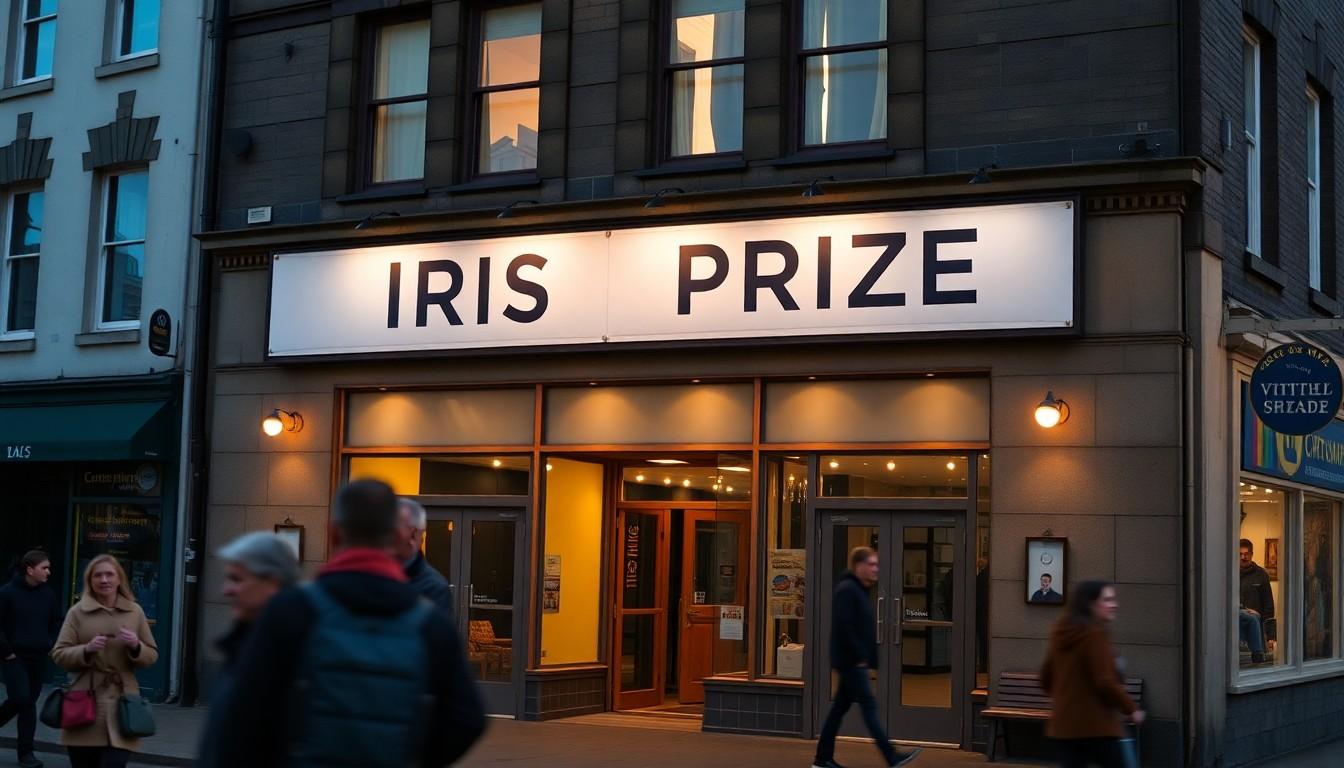
Film lovers are heading to Cardiff this October for Iris Prize 2026, a week-long LGBTQ+ film festival marking the organisation's 20th anniversary. With international shorts, major features, special screenings and filmmaker events, the programme offers plenty for both seasoned festival-goers and curious first-timers.
Essential Takeaways
- A major anniversary: Iris Prize returns to Cardiff from 12 to 18 October 2026.
- Global short films: Thirty-five international shorts from 22 countries are competing for the £40,000 Iris Prize.
- Big-screen highlights: Black Church Bay, Desert Hearts and Weekend are among the most anticipated screenings.
- Plenty beyond films: The programme includes talks, Q&As, special events and anniversary celebrations.
- Flexible ticketing: Visitors can choose from full passes, weekend tickets, day tickets and individual screenings.
Cardiff's LGBTQ+ film festival is celebrating in style
There should be something wonderfully unruly about opening a festival programme and immediately realising you can't possibly see everything. Iris Prize 2026 has that effect, with seven days of screenings and events spread across Cardiff. The festival's official programme confirms a particularly full anniversary edition, bringing together filmmakers, performers and audiences around LGBTQ+ cinema. [3], [6]
The timing feels significant. For two decades, Iris has given LGBTQ+ filmmakers an international platform while keeping Cardiff firmly at the centre of the conversation. Visit Wales lists the festival as one of the city's notable cultural events this autumn, and the 20th anniversary gives newcomers an especially good excuse to finally go. [4]
Black Church Bay brings a darker Welsh story
One obvious place to start is Black Church Bay, which receives its Welsh premiere on the closing night. Rhys Marc Jones' mystery-thriller stars Tom Cullen and Joe Locke, and follows a deputy head teacher whose life begins to fracture after a gay sixth-form student disappears. The combination of remote coastline, local tension and a recognisable cast sounds impressively moody. [2], [6]
It also offers something slightly different from the softer coming-of-age stories often associated with queer cinema. A Welsh setting isn't simply scenery here. The landscape appears to be part of the pressure cooker, making the film a strong choice for viewers who like their festival discoveries tense, atmospheric and a little unsettling. The post-screening Q&A should add another reason to book early. [5], [6]
Classic romances sit alongside new discoveries
Iris isn't only about premieres. The 2026 programme also looks backwards, creating a useful route into LGBTQ+ cinema for anyone still filling gaps in their film education. Donna Deitch's Desert Hearts, the influential 1986 lesbian romance, returns for a special screening, while Andrew Haigh's Weekend comes back to the festival after its earlier Iris appearance. [3], [6]
That balance is one of the programme's best features. You can watch a landmark film with decades of influence behind it, then follow it with something made by a filmmaker you've never encountered. It makes the festival feel less like a test of prior knowledge and more like an invitation to wander around and see what catches your eye. [2], [4]
The shorts are where Iris really comes alive
The centre of the festival remains the short-film competition. This year's 35 contenders come from 22 countries and have been arranged into nine themed programmes, covering subjects including identity, companionship and masculinity. Iris Prize describes the selection as a showcase of varied international LGBTQ+ storytelling, with one filmmaker ultimately winning the substantial £40,000 production prize. [7]
Unmasking Masculinity is an especially intriguing programme for viewers interested in how queer cinema handles repression, male identity and social expectations. Short-film programmes can feel daunting because there are so many choices, but the themes make it easier to choose a starting point. If you prefer compact stories with plenty to discuss afterwards, this is likely to be the festival's sweet spot. [6], [7]
How first-time visitors can plan Iris Prize 2026
The simplest approach is to pick one anchor event, then leave room for surprises. That might mean starting with Black Church Bay, booking Weekend for its conversation with Andrew Haigh, or choosing one themed shorts programme and allowing the rest of the day to unfold around it. Cardiff's range of venues should also make it possible to build a manageable schedule rather than sprinting between every screening. [2], [5]
Ticket options are designed to suit different levels of commitment. The festival lists full passes, weekend access, day tickets and individual screening prices, so you don't need to become a seven-day regular overnight. Check the official programme for timings, venue details and Q&A information before booking, particularly for premieres and anniversary events, which are likely to attract the busiest crowds. [3], [6]
A first festival can look intimidating from the outside, especially when everyone seems to know every director and cinematographer in the room. In practice, curiosity is enough. The best film might be the one you hadn't heard of, and that's often the pleasure of Iris: you arrive with a shortlist and leave with several new favourites. [4], [7]
It's a small leap into Cardiff's cinema world, but it could lead to a week of memorable discoveries.
Source Reference Map
Story idea inspired by: [1]
Sources by paragraph: