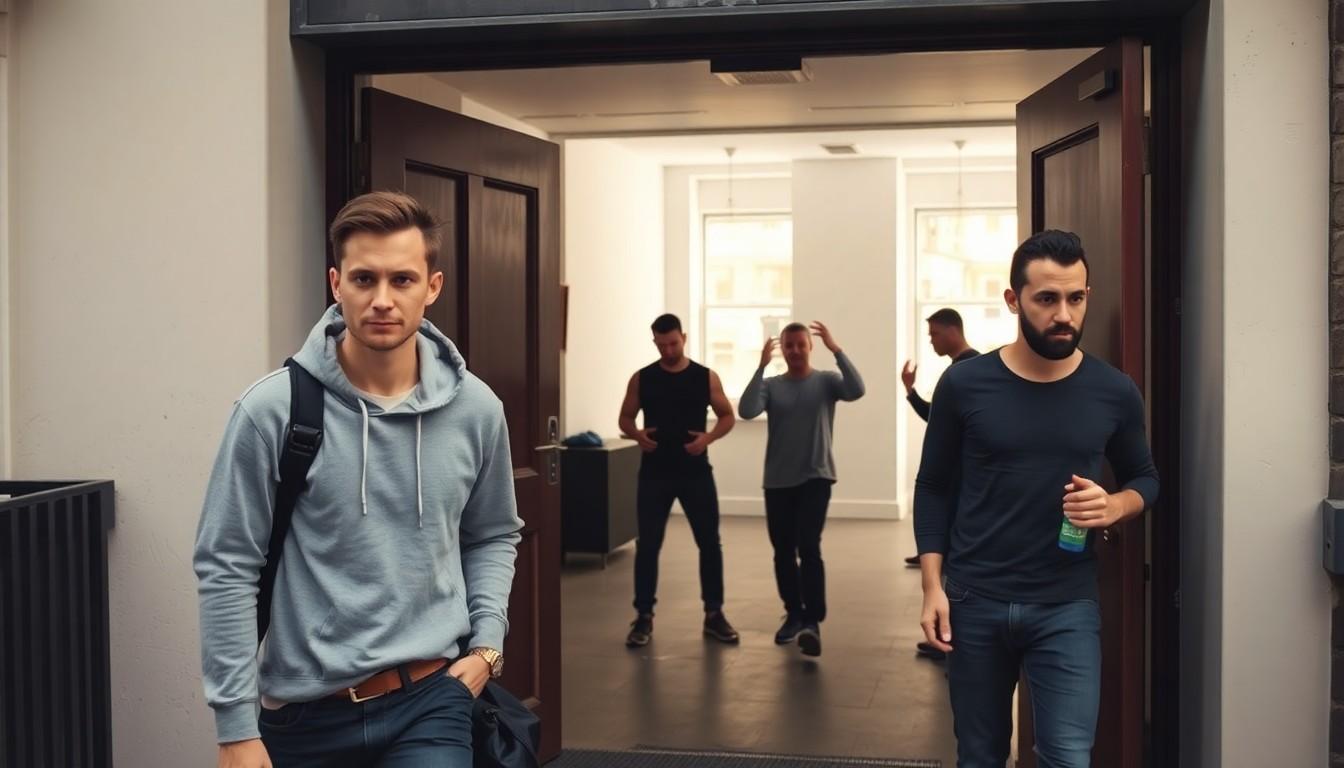
Gay men in London are finding a fresh way to connect through sober conscious dance, blending music, movement and community without the usual late-night pressure. These daytime gatherings offer an energetic alternative to clubbing, while keeping the joy, freedom and shared rhythm that make a great dance floor feel genuinely special.
Essential Takeaways
- A different kind of dance floor: Pleasure Medicine combines conscious dance with connection exercises for gay men in London.
- Sober by design: Events are intended to be alcohol-free and substance-free, with daytime sessions that leave the rest of the day intact.
- Connection matters: Organisers say the format helps guests meet one another without relying on loud bars or flirtation alone.
- Come as you are: There’s no need to be an experienced dancer, and the emphasis is on personal expression rather than performance.
- Community grows over time: Repeat attendance, social groups and post-event meet-ups can turn a one-off session into a regular support network.
When the dance floor becomes a room full of possibility
There’s a particular moment at a good dance event when self-consciousness starts to loosen. The music gets under your skin, shoulders drop, arms become less carefully arranged and suddenly the people around you aren’t strangers anymore. They’re part of the same pulse.
That feeling sits at the centre of Pleasure Medicine, a London project founded by Gary Albert for gay men seeking sober conscious dance and connection. The events bring together music, free movement and guided exercises, creating space for guests to relax into the experience rather than worry about how they look. Information from Pleasure Medicine’s event listings describes a welcoming format built around movement and shared presence. [3]
It’s a striking proposition in a city where queer connection is often associated with nightclubs, crowded bars and a drink in hand. Those places still matter, of course, but they aren’t the only way to find belonging.
Why sober daytime events are gaining appeal
The appeal is partly practical. A daytime dance means you can enjoy loud music and full-body movement without sacrificing the following day, losing your wallet or spending Sunday negotiating the emotional aftermath of an ambitious night out. Pleasure Medicine’s own information presents its sessions as sober, phone-free spaces where participants can focus on the room and one another. [2]
There’s also a quieter shift happening. Some people want nightlife in their lives, but they also want more choice: dancing without alcohol, socialising without shouting and meeting potential friends without having to project confidence across a packed bar. A daytime format makes the invitation feel less intimidating.
That doesn’t mean sober events are joyless or worthy. Quite the opposite. The music can still be bold, camp and gloriously over the top, but the atmosphere is designed to keep people present. The result is less “networking event” and more “everyone has unexpectedly found the chorus”.
What actually happens at a conscious dance session?
Unlike a conventional club night, conscious dance usually removes the expectation that guests must dance in a particular way. There’s no choreography to master and no pressure to look polished. Instead, participants are encouraged to move according to their own comfort, energy and mood.
Pleasure Medicine’s listings describe a combination of conscious dance and connection workshops. That blend is important because it gives the event a little structure without making it feel rigid. Guests can move freely, then take part in exercises intended to make interaction easier and more natural. [6]
For someone arriving alone, that can make a huge difference. A room full of people dancing may look liberating from the outside, but walking into it by yourself can still feel daunting. Gentle facilitation offers a bridge between watching from the edge and becoming part of the room.
A useful alternative to traditional gay nightlife
Queer dance floors have long been places of discovery, release and community. They’ve offered many gay men a rare chance to be loud, flirtatious, theatrical or simply unguarded. Conscious dance doesn’t need to compete with that history. It adds another option.
The distinction is especially useful for people who still love clubs but no longer want every social experience to revolve around staying out until dawn. Pleasure Medicine’s blog positions sober gay events as a way to enjoy connection and celebration without alcohol or drugs, while keeping the atmosphere social rather than clinical. [5]
That “and, not either-or” approach feels right. You can adore a sweaty basement, a Pride party or a favourite DJ set, then want a bright studio and an afternoon dance the following weekend. Different settings bring out different sides of us, and there’s no rule saying one has to cancel out the other.
How to choose the right event for you
If you’re considering a sober conscious dance for gay men in London, start by checking the event format. Look for details on timings, venue access, what to wear, whether newcomers can attend alone and how much facilitated interaction is included. Pleasure Medicine’s FAQ is a useful first stop for practical questions before booking. [2]
Wear something comfortable that lets you move, and bring water unless the organiser says refreshments are provided. You don’t need a particular dance background, but it’s worth being honest with yourself about boundaries. You can participate at your own pace, take breaks and decide which activities feel right.
Most importantly, don’t assume you have to arrive already confident. Many people come alone, and the whole point is to create a setting where confidence can build rather than be performed at the door. As event information on QList makes clear, the sessions are framed as connection workshops as well as dance experiences. [7]
The future looks more spacious, not less lively
Pleasure Medicine appears to be part of a wider appetite for social events that offer intensity without excess. Ecstatic dance communities have also embraced movement as a route to presence, connection and emotional release, with Pleasure Medicine listed among dance experiences for gay men. [3]
What’s encouraging is the balance. These events don’t treat club culture as a problem to solve, nor do they pretend everyone wants the same kind of night out. They simply recognise that gay men need more spaces to meet, move and feel at ease.
Sometimes belonging arrives through a long conversation. Sometimes it arrives when the right song plays and an entire room starts moving together. Either way, it’s worth making room for.
A great dance floor doesn’t ask you to explain yourself; it lets you feel at home.
Source Reference Map
Story idea inspired by: [1]
Sources by paragraph: