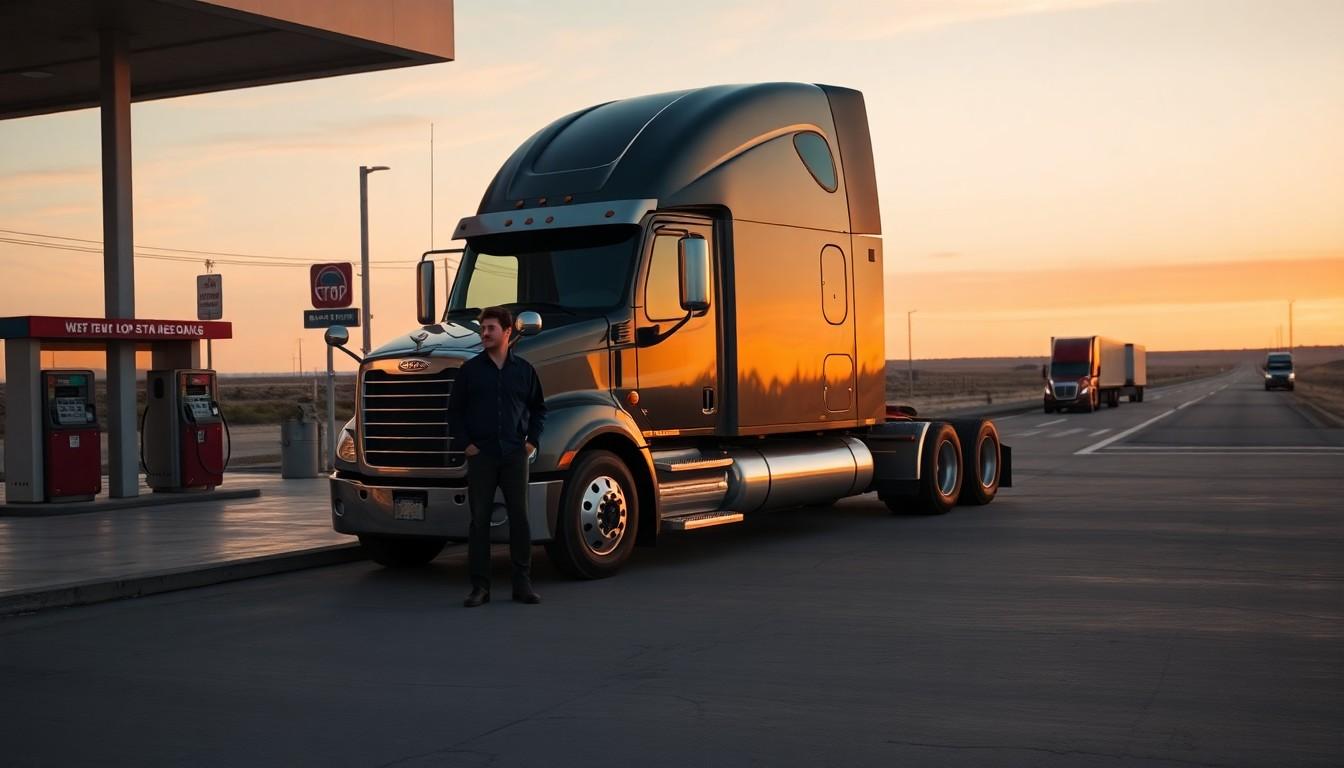
Truckers are being celebrated this National Truckers Day, but the spotlight is also widening to include the LGBTQ+ drivers helping keep freight moving. Their stories reveal an industry shaped by independence, long hours and changing representation, while showing why the open road can offer both a career and a welcome sense of freedom.
Essential Takeaways
- National Truckers Day: The annual event began in 2020 to recognise drivers who kept goods moving during the shutdowns.
- A changing workforce: Research highlights the experiences of gay, trans and Black truck drivers, groups often missing from traditional trucking stories.
- Freedom matters: LGBTQ+ Truck Driver Network members describe travelling widely and finding space to reflect on the road.
- Community is growing: Advocacy groups and social media are making queer drivers more visible across the industry.
The road has always carried more than cargo
Behind every delivery is a person spending long stretches behind the wheel, navigating motorways, depots and unfamiliar towns. For many LGBTQ+ truckers, that solitude can feel less like isolation and more like breathing room, with the steady hum of the engine creating a rare pocket of calm.
National Truckers Day was created in 2020 by Memphis truck salesman Bill Stearnes, according to Queerty. The timing was significant: while much of the world slowed down, drivers continued transporting food, medicine and everyday essentials.
That contribution remains worth recognising. But the celebration also opens a door to a broader question: who gets seen when we picture a trucker?
LGBTQ+ drivers are changing the picture
For years, popular portrayals of trucking tended to focus on straight, white men. Anne Balay's book, Semi-Queer: Inside the World of Gay, Trans, and Black Truck Drivers, challenges that narrow view through interviews with hundreds of LGBTQ+ drivers, as described by FreightWaves.
Balay entered trucking herself after seeking more dependable work than academia offered. Her research then took her into a working world where queer drivers were present, but often overlooked in media and public discussion.
That matters because visibility isn't simply about representation on a poster. It can help prospective drivers recognise trucking as a possible career rather than assuming the industry has no place for them.
Why the open road appeals to queer truckers
The attraction isn't difficult to understand. Trucking offers independence, changing scenery and the chance to spend much of the working day outside a fixed office or workplace culture. For some drivers, that distance provides welcome control over how they live and work.
Derric Schmid, vice president and senior diversity officer of the LGBTQ+ Truck Driver Network, told the Washington Blade that he enjoys being paid to travel across the United States. His work has taken him to places including New Orleans, St Louis and California during the festive season.
He also described driving as therapeutic, saying the road can help quieten the noise of everyday life. It's a striking image, especially for anyone who knows the particular relief of having a long journey, an open horizon and no need to explain yourself.
From private journeys to public community
The LGBTQ+ Truck Driver Network is helping turn individual experiences into a more visible community. By connecting queer drivers and allies, the organisation offers a counterpoint to the idea that trucking is culturally uniform.
Social media is playing its part, too. Drivers sharing photographs, work routines and personal updates from their cabs are putting recognisable faces to a profession that can otherwise seem anonymous. Some posts are playful, some proudly political and others simply show an ordinary working day.
That ordinariness is powerful. A queer driver checking in from a delivery route may not be making a formal statement, but the message is clear: LGBTQ+ people are already part of the industry.
What the future of trucking could look like
The wider trucking workforce is changing, even if public perceptions have been slower to catch up. Research collected in Semi-Queer, including its academic record on JSTOR and listings from Goodreads and Open Library, underlines the value of documenting voices that have traditionally been left out.
For employers, inclusion is also practical. A workplace that supports LGBTQ+ staff can make it easier to recruit and retain drivers in an industry that depends on skilled people willing to spend long periods away from home.
The road can be demanding, of course. Long shifts, fatigue and time away from friends and family don't disappear with better representation. Still, when drivers can bring their whole selves to the cab, the journey may feel a little less lonely.
Celebrating truckers means recognising both the miles they cover and the people behind the wheel.
Source Reference Map
Story idea inspired by: [1]
Sources by paragraph: