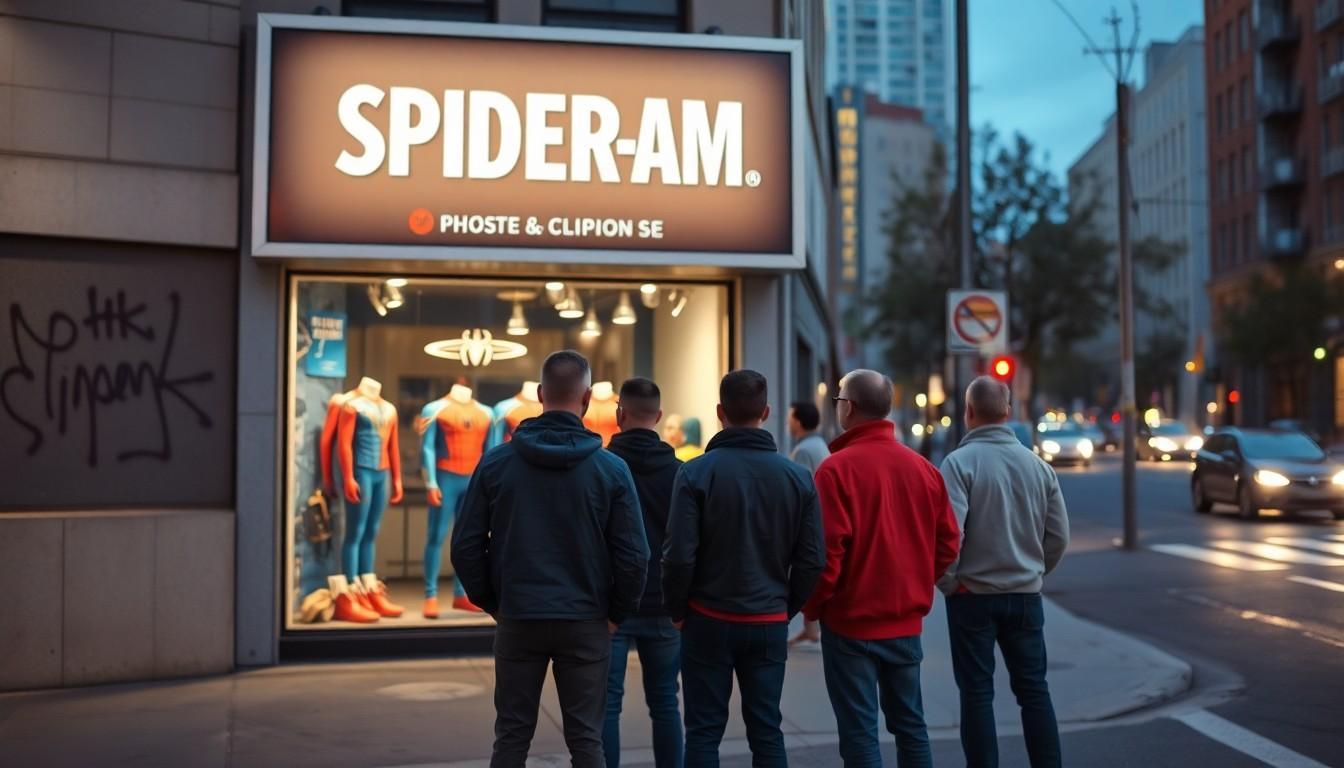
Fans have long found Spider-Man especially magnetic, from the sleek costume and acrobatic movement to the thrill of slipping into another identity. Now, Marvel’s newer queer Spider-Man stories add fresh context to a fantasy that has already resonated with many gay men, blending camp, vulnerability and superhero swagger.
The mask is doing more than hiding a face
Spider-Man’s appeal starts with a striking visual: a bright, body-hugging suit wrapped around an impossibly agile hero. It’s playful, sexy and instantly recognisable, but the costume also creates a useful distance between the ordinary person underneath and the confident figure everyone else sees.
That tension has made Spider-Man a particularly rich fantasy for queer audiences. According to DNA Magazine, performers and fans have described the character as a way to enter a different headspace, with the suit bringing a sense of capability and transformation. It’s not simply dressing up. It’s a temporary upgrade to the self. (DNA Magazine, 2023)
The fantasy is wonderfully uncomplicated, too. Spider-Man swings through the city, lands dramatically and saves the day, while Peter Parker remains awkward, anxious and human. That mix of physical confidence and emotional vulnerability feels far more interesting than a hero who has everything under control.
Why Spider-Man feels unexpectedly queer
Spider-Man’s origins are built around secrecy, reinvention and a double life. Marvel’s own account of the character’s history traces his transformation from an isolated teenager into a hero who must constantly negotiate the gap between private fear and public expectation. (Marvel)
For many gay men, that emotional architecture can feel familiar. The hidden self, the carefully managed presentation and the sudden discovery of a more powerful identity all echo experiences of growing up different, even if the comparison remains playful rather than literal.
There’s also a camp quality to Spider-Man that other superheroes don’t always share. The dramatic poses, theatrical one-liners and acrobatic physicality make him feel less like a grim military figure and more like a performer who knows the audience is watching.
New stories make the subtext more visible
The character’s queer associations have moved from fan interpretation into official Marvel storytelling. Reports from them and LGBTQ Nation covered the arrival of a gay Spider-Man character, with the new hero sharing flirtatious moments and a romance that places queer desire directly within the superhero world. (them; LGBTQ Nation)
That shift matters because it gives readers something beyond coded fantasy. Earlier versions of Spider-Man could be read through a queer lens, but newer stories allow queer fans to see themselves in the costume, the action and the emotional centre of the narrative.
PinkNews also reported on the character’s introduction and the interest surrounding Marvel’s decision to expand Spider-Man’s identity. (PinkNews) It’s a small but meaningful change: the mask no longer has to conceal queerness. It can celebrate it.
The fantasy works because Spider-Man is both strong and soft
A major part of Spider-Man’s enduring popularity is the contrast between athletic spectacle and personal insecurity. He can scale a skyscraper, yet still worry about money, relationships and whether he’s doing enough. That combination gives the character warmth, rather than leaving him as a polished action figure.
Commentary about Spider-Man’s sexuality has often focused on whether he is gay, bisexual or straight, but that question can miss the wider appeal. As Comic Basics notes, the character has been interpreted in different ways by fans, particularly because his presentation blends masculinity with sensitivity, humour and theatrical movement. (Comic Basics)
In other words, Spider-Man doesn’t need to be one single thing for the fantasy to work. He can be aspirational, flirtatious, vulnerable and just a little bit camp. Your favourite superhero probably doesn’t need an identity quiz attached to every web-sling.
Choosing the version that speaks to you
The classic Peter Parker remains central, but queer readers now have more ways to connect with Spider-Man. Some may respond to the costume and physical confidence, while others are drawn to the character’s outsider status or the possibility of an openly queer hero at the heart of the story.
The best Spider-Man stories understand that power isn’t only about strength. It’s about finding a version of yourself that feels freer, bolder and more visible. That’s why the character continues to inspire fan art, cosplay and imaginative reinvention across generations.
Marvel’s expanding multiverse gives that process room to grow. As LGBTQ Nation and them reported, bringing a gay Spider-Man into official continuity opens the door to stories where queer identity isn’t merely hinted at from behind the mask. (them; LGBTQ Nation) For fans, that can make an old fantasy feel newly personal.
Spider-Man’s appeal isn’t hard to understand. He looks good in the suit, moves like a dream and carries his insecurities with surprising grace. But beneath the jokes and web fluid, he offers something more lasting: permission to become someone braver for a little while.
Explore the Spider-Man story that makes you feel most seen.
Source Reference Map
Story idea inspired by: [1]
Sources by paragraph: