Shoppers, diners and nightlife regulars are weighing more than crime when choosing a city-centre destination. A dispute over masks at a Massachusetts lesbian bar, alongside a Baltimore arts controversy, has reignited a broader question: can public spaces feel socially unpredictable as well as physically unsafe? The answer matters for venues trying to rebuild trust and attract customers.
Essential Takeaways
- Safety has widened: Some visitors now worry about public backlash, online pile-ons and ideological disputes alongside crime.
- The Last Ditch controversy: A Massachusetts bar faced intense criticism after dropping its KN95 mask requirement, according to the Boston Globe.
- Small venues feel the pressure: Financial strain, access policies and changing customer expectations can make ordinary business decisions highly charged.
- Baltimore dispute: The Baltimore Rock Opera Society controversy centred on a white director wearing cornrows at a public event.
- Trust is the real currency: Clear explanations, accessible communication and consistent policies can prevent a difficult moment becoming a crisis.
Downtown safety is no longer just about crime
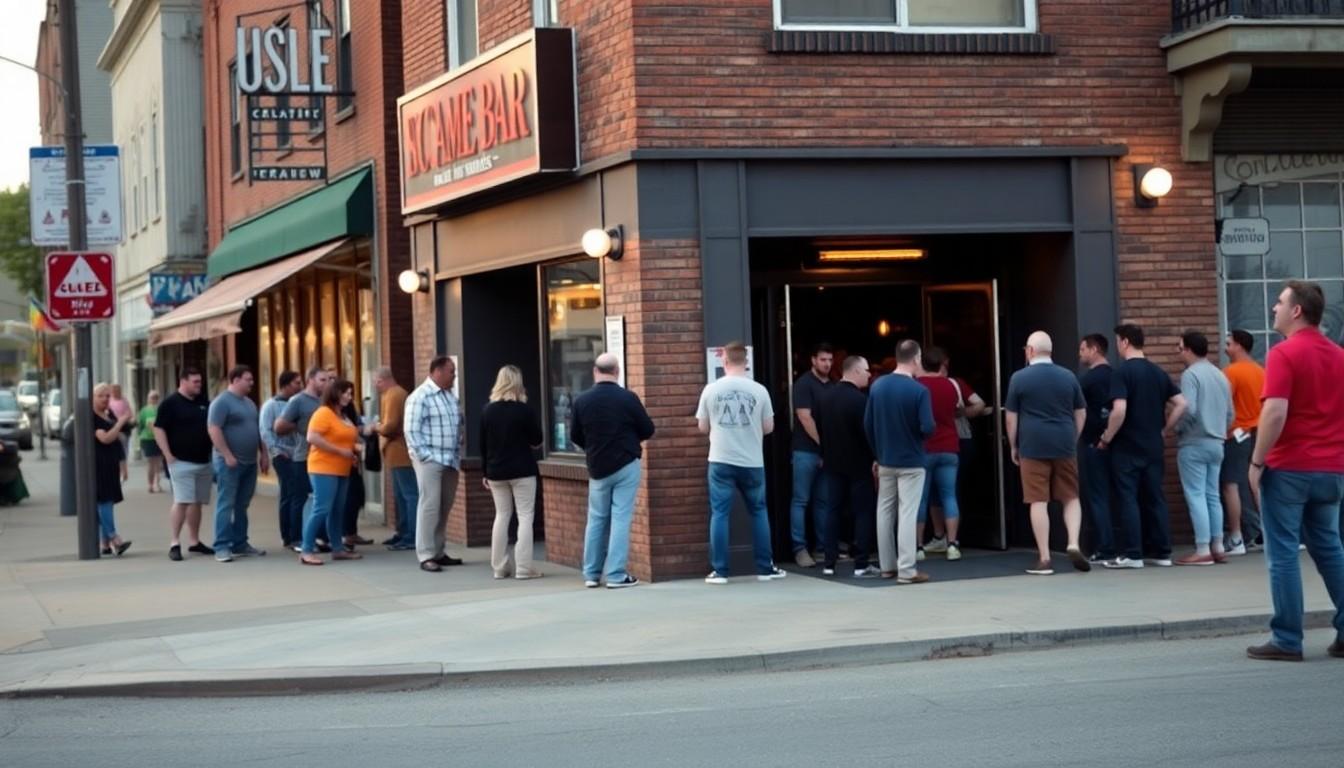
A city centre can look perfectly ordinary at street level: buses grumbling past, restaurant doors swinging open, music leaking from a basement venue. Yet some potential visitors are making a more complicated calculation before they go out, considering not only theft or disorder but also the possibility of becoming embroiled in a public cultural dispute.
That argument was sharpened by the backlash facing Last Ditch, a lesbian bar in Greenfield, Massachusetts. The Boston Globe reported that the venue ended its KN95 mask requirement after struggling financially, prompting a furious online response from people who believed the change put immunocompromised customers at risk. According to the Globe, the bar later apologised, but the statement itself attracted further criticism over accessibility.
The episode is uncomfortable because there are genuine interests on both sides. People with serious health vulnerabilities may need safer environments, while a small venue may simply be trying to survive. Neither concern disappears because the disagreement is happening on Instagram.
A difficult decision became a reputational crisis
Last Ditch was established as a welcoming space for poorer and unhoused customers, but its inclusive approach also created practical pressures. The original report said some visitors exploited the venue's policies to avoid paying, leaving the owner working multiple jobs and even living in a vehicle while attempting to keep the bar open.
That context doesn't settle the mask debate, but it does explain why a seemingly modest policy change carried such weight. For a large chain, changing a rule may be a communications exercise. For an independent bar, it can be a choice between limiting trade and risking financial collapse.
The Atlantic and TheWrap both examined the reaction, highlighting how quickly a local venue's decision became a national argument. That's the modern hazard for small businesses: a policy intended for one room can be judged by thousands of people who have never visited it.
Why online outrage feels like a downtown risk
The Baltimore Rock Opera Society faced a different kind of controversy after its incoming executive director, Kelly Carnes, was criticised for wearing cornrows at Burning Man and at a company event. The Baltimore Banner reported that the organisation removed a video and issued a statement acknowledging the dispute before Carnes was dismissed.
The disagreement was rooted in questions about cultural appropriation, representation and the responsibilities of arts organisations. But the incident also showed how vulnerable small cultural groups can be when internal decisions become public before all the facts are understood. Local reporting suggested that much of the criticism came from outside Baltimore, while local voices defended the director.
For audiences, this can create a strange form of uncertainty. They may not fear being physically attacked, but they may wonder whether a careless post, a misunderstood remark or a disagreement at an event could suddenly become a public spectacle. It's not necessarily a rational fear in every case, but perception has a habit of shaping behaviour.
Cities need clearer rules, not endless disclaimers
Venues can't eliminate disagreement, and they shouldn't try to make every customer happy at all costs. They can, however, make policies easier to understand. If masks are required, explain when and why. If a cover charge is flexible, state the eligibility rules. If an organisation is dealing with a personnel dispute, give a concise account rather than relying on vague language.
Accessibility matters, too. The Last Ditch backlash reportedly intensified after an apology was posted without alt text. That detail may sound minor to some readers, but it illustrates a broader point: in a high-scrutiny environment, practical communication is part of the policy itself.
The most useful approach is consistency. A venue that publishes clear expectations, applies them fairly and responds calmly has a better chance of keeping a controversy in proportion. A polished statement full of jargon, meanwhile, can sound less like accountability than a hurried attempt to satisfy every audience at once.
The outlook for city-centre venues
Downtown recovery depends on more than empty shopfronts being filled. People need to feel that restaurants, bars, theatres and community spaces are welcoming, legible and resilient when something goes wrong. Physical security remains essential, but social confidence matters as well.
The debate also needs perspective. A heated online response doesn't automatically mean a venue is unsafe, nor does a viral controversy represent everyone in a neighbourhood. Still, businesses ignore these signals at their peril. Customers remember whether a place feels relaxed or exhausting, and they often make that judgement before buying a ticket or crossing the threshold.
The best city-centre venues will probably be those that combine firm boundaries with ordinary human warmth. Nobody wants a night out to feel like an exam in ideological correctness.
A safer downtown is one where people can disagree without turning every mistake into a public emergency.
Source Reference Map
Story idea inspired by: [1]
Sources by paragraph:
- Paragraph 1: [2], [6]
- Paragraph 2: [2], [5]
- Paragraph 3: [7]
- Paragraph 4: [2], [6]
- Paragraph 5: [5], [6]
- Paragraph 6: [3], [4]
- Paragraph 7: [3], [4]
- Paragraph 8: [2], [5]
- Paragraph 9: [2], [6]
- Paragraph 10: [7]
- Paragraph 11: [2], [3]
- Paragraph 12: [4], [6]
- Paragraph 13: [2], [7]
- Paragraph 14: [3], [4]
- Paragraph 15: [5], [6]
- Paragraph 16: [2], [7]