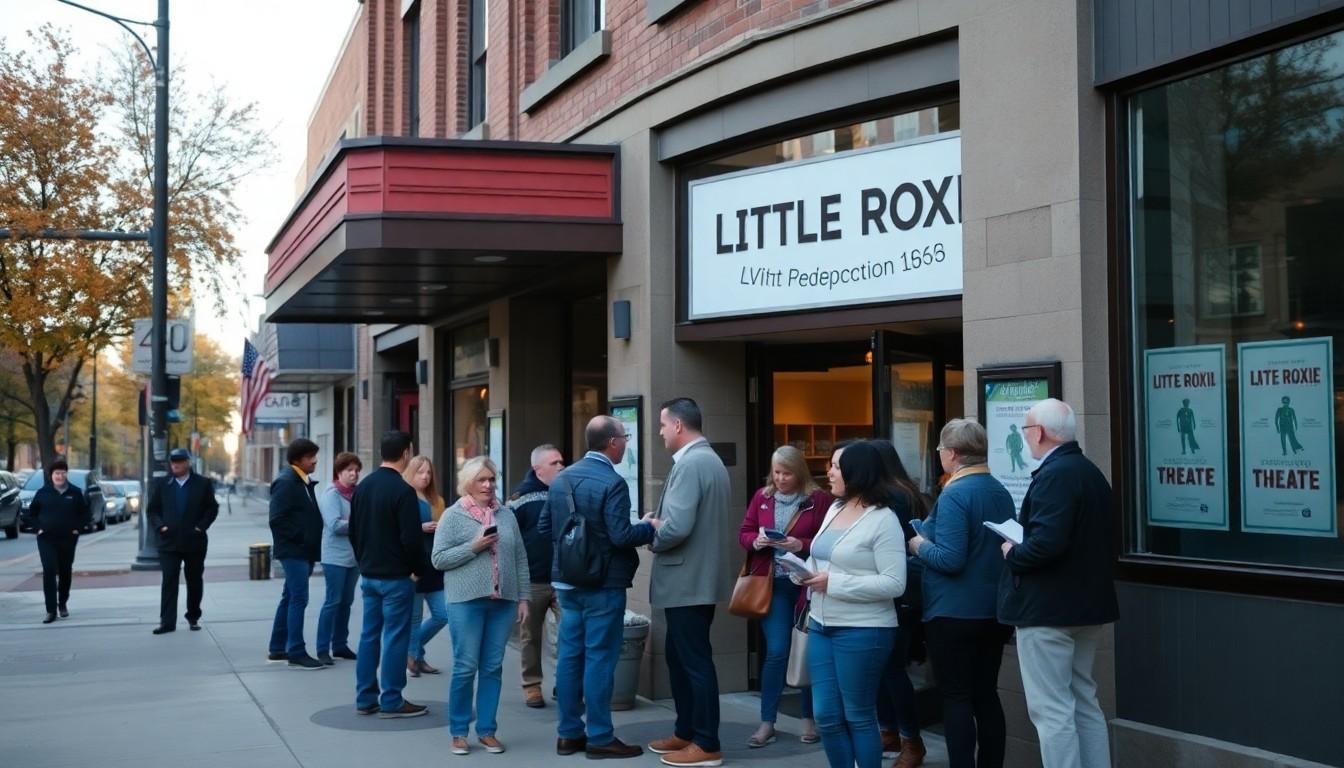
Audiences in San Francisco are being invited into a thoughtful new LGBTQ+ documentary about identity, belonging and shared history. Through drama therapy, personal stories and intergenerational conversation, River of Life, LGBTQ+ asks how a community shaped by activism can heal its internal divisions while making room for changing ideas about gender and self-expression.
Essential Takeaways
- A new perspective: The film brings younger and older LGBTQ+ participants into the same creative therapeutic space.
- History meets the present: Stories of the AIDS crisis, ACT UP and marriage equality sit alongside conversations about pronouns and gender identity.
- Drama therapy matters: Participants act out experiences rather than simply describing them, creating a more embodied route to reflection.
- A local premiere: The documentary is scheduled for the Little Roxie Theatre in San Francisco on National Coming Out Day, 11 October, at 3pm.
- The bigger question: Can collective healing help strengthen solidarity within a diverse LGBTQ+ community?
A film about more than generational disagreement
The most striking thing about River of Life, LGBTQ+ is that it doesn't treat the generation gap as a simple clash between old and new. Instead, it brings people together to examine what each group has inherited, what has changed and what still needs attention.
Younger participants encounter the lived reality behind familiar historical landmarks, including the AIDS crisis, ACT UP activism and the campaign for marriage equality. Those stories offer something a textbook can't: the emotional texture of movements built through fear, grief, creativity and persistence. The film's wider presentation highlights that exchange as a central part of its appeal. [5], [6]
Older participants, meanwhile, are encouraged to listen to current conversations about gender identity and expression. The result isn't a demand that anyone abandon their past, but an invitation to see today's debates as part of a longer LGBTQ+ tradition of questioning fixed assumptions.
That makes the documentary feel timely without becoming trapped in the news cycle. Its concern is less about winning an argument than understanding how a community can remain connected while its language and experiences evolve. [2], [7]
Why drama therapy gives the story extra depth
At the heart of the film is drama therapy, a practice that asks participants to bring experiences into the room physically and creatively. Rather than sitting in a circle and offering carefully edited explanations, people can step into memories, relationships and difficult moments with the support of others.
The approach draws on psychodrama, a method associated with Jacob Moreno and developed in the 1930s. Its basic insight is refreshingly direct: sometimes people understand an experience differently when they embody it, rather than merely talking about it.
That can be especially significant for people whose painful experiences happened in isolation. Re-enacting a moment in a supportive group doesn't erase what happened, of course, but it can give participants a new position from which to view it. The film presents storytelling as both an artistic act and a way to reclaim personal agency. [4], [7]
For viewers, this also changes the feel of the documentary. It's not simply a series of interviews about LGBTQ+ history. The participants are making something together, and that creative process becomes part of the story.
What younger and older participants discover
The intergenerational conversation works because it runs in both directions. Younger people gain a stronger sense of the resilience that made later freedoms possible, while older participants encounter perspectives that may not have been part of their own experience.
That exchange matters because LGBTQ+ communities have never been culturally uniform. Age, race, gender identity, disability, class and geography all shape how belonging is experienced. A film that acknowledges those differences can be more useful than one that reaches for an overly tidy idea of community.
The documentary's premise was shaped by an encounter involving filmmaker and drama therapist Grace Walcott's transgender son at a drag show. A question about misgendering became the starting point for a broader exploration of how generations interpret identity and respect. [2], [6]
There is a gentle irony here. The same community that has spent decades challenging rigid social categories can sometimes struggle when its own language changes. River of Life, LGBTQ+ suggests that curiosity may be more productive than defensiveness, even when the conversation feels uncomfortable.
A San Francisco premiere with a wider invitation
The film is due to premiere at the Little Roxie Theatre, 3125 16th Street, San Francisco, on National Coming Out Day, 11 October, at 3pm. The date gives the screening an obvious symbolic resonance, but the documentary's message reaches beyond a single annual observance.
For anyone attending, it may be worth approaching the film as a conversation starter rather than a finished verdict. Viewers could leave thinking about moments when they felt excluded, misunderstood or unable to keep pace with changes inside a community they considered home.
The official film listing and project website provide screening information and further details. As documentaries about identity become more visible, this one stands out for placing therapeutic practice alongside activism and personal testimony. [3], [4]
Healing and activism belong together
Walcott's central argument is that healing isn't separate from political work. A community carrying unresolved shame, grief or internal conflict may find it harder to support its most vulnerable members. Shared reflection, by contrast, can create the trust needed for solidarity.
That doesn't mean every disagreement disappears after one workshop or screening. Real communities are untidy, and no film can resolve debates about language, identity or belonging. But making space for listening can change the temperature of those debates, which is often where progress begins.
The most hopeful idea in River of Life, LGBTQ+ is that people can revise the stories they tell about themselves. For participants, that may mean moving from feeling judged or marginalised to seeing themselves as active authors of their own lives. For audiences, it could mean leaving with a little more patience for one another. [2], [6]
It's a small but meaningful reminder that history isn't only something we inherit; it's something we keep making together.
Explore the screening details and consider bringing the conversation with you.
Source Reference Map
Story idea inspired by: [1]
Sources by paragraph: