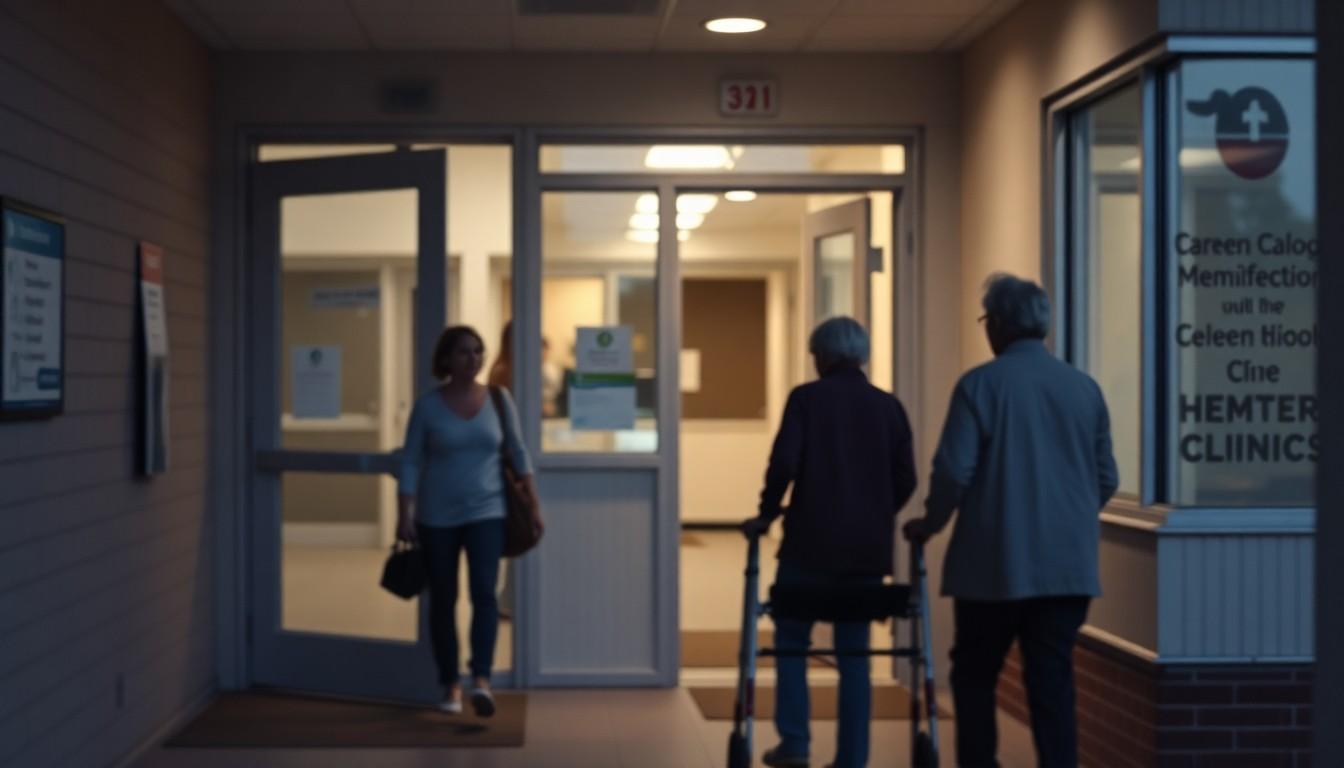
Audiences at Toronto International Film Festival are discovering Neverman, a thoughtful short film about transgender people facing dementia and the fear of losing control over their identity. By placing long-term care, memory and self-determination at the centre, the film opens a necessary conversation about ageing safely and authentically.
Essential Takeaways
- A focused story: Neverman examines how dementia can intensify transgender people’s fears about identity and care.
- A wider concern: Long-term care settings may not always understand or respect trans residents’ needs.
- Planning matters: Advance directives can help people record their wishes before cognitive decline affects communication.
- A personal tone: The film treats a difficult subject with intimacy rather than turning it into a clinical lecture.
- A timely conversation: Its questions reach beyond cinema, touching families, carers and healthcare providers.
Neverman asks a frightening question
The film’s central fear is stark: what happens when memory fades, but the institutions around you no longer recognise who you are? Neverman brings that anxiety into sharp focus, following concerns about transgender people being pushed back into identities they fought to leave behind.
That makes the film feel especially intimate. Dementia is often discussed through memory loss, confusion and practical care, but identity can be just as vulnerable. According to Narcity, Neverman spotlights the possibility that transgender people may fear being misgendered, misunderstood or denied the dignity of living openly in later life.
Why trans ageing deserves more attention
For many transgender people, ageing brings an additional layer of uncertainty. Care homes and hospitals can be unfamiliar environments, and staff may not always have the training or confidence to support trans residents respectfully.
High On City’s coverage of Neverman highlights concerns around transgender seniors, dementia and long-term care. The issue isn't simply about preferred names or pronouns, although those details matter. It's also about clothing, relationships, medical history, privacy and the right to have a life story recognised.
A small film with a big social question
Neverman appears to be built around a deceptively simple idea: preserving a person's identity should be part of dementia planning. That approach gives the story emotional weight without needing spectacle. The quietest moments can be the most unsettling because they reflect fears many families already understand.
Film listings from IMDb, MUBI and ComingSoon.it place the work within the festival and international film conversation, while the subject gives it relevance far beyond the screen. This is the sort of film that stays with you on the journey home, particularly if you've ever worried about whether your future wishes will be heard.
Advance planning can protect personal choices
One practical answer lies in advance directives and other forms of care planning. Research published by the Journal of Law, Medicine and Ethics discusses how dementia planning may help transgender people express their wishes and manage anxieties about future care.
A useful plan can include the name and pronouns a person wants used, clothing and presentation preferences, trusted decision-makers, relationship information and instructions about medical care. It should be shared with loved ones, clinicians and legal representatives, then reviewed when circumstances change.
Planning won't solve every problem, but it gives families and carers something clear to follow when communication becomes difficult. In a subject filled with uncertainty, that clarity can be quietly powerful.
The conversation shouldn't end at the screening
The value of Neverman lies partly in its ability to make an overlooked fear visible. It asks audiences to think about dignity before a crisis arrives, rather than expecting people to explain themselves when they're already vulnerable.
For carers and relatives, the message is practical as well as emotional: ask what respectful care looks like now, record those wishes and make sure the right people know. A future care plan should preserve a person's identity, not merely manage their symptoms.
A film can't rewrite the care system overnight, but it can change which questions people think to ask.
It's a small but important step towards making later-life care more humane and inclusive.
Source Reference Map
Story idea inspired by: [1]
Sources by paragraph: