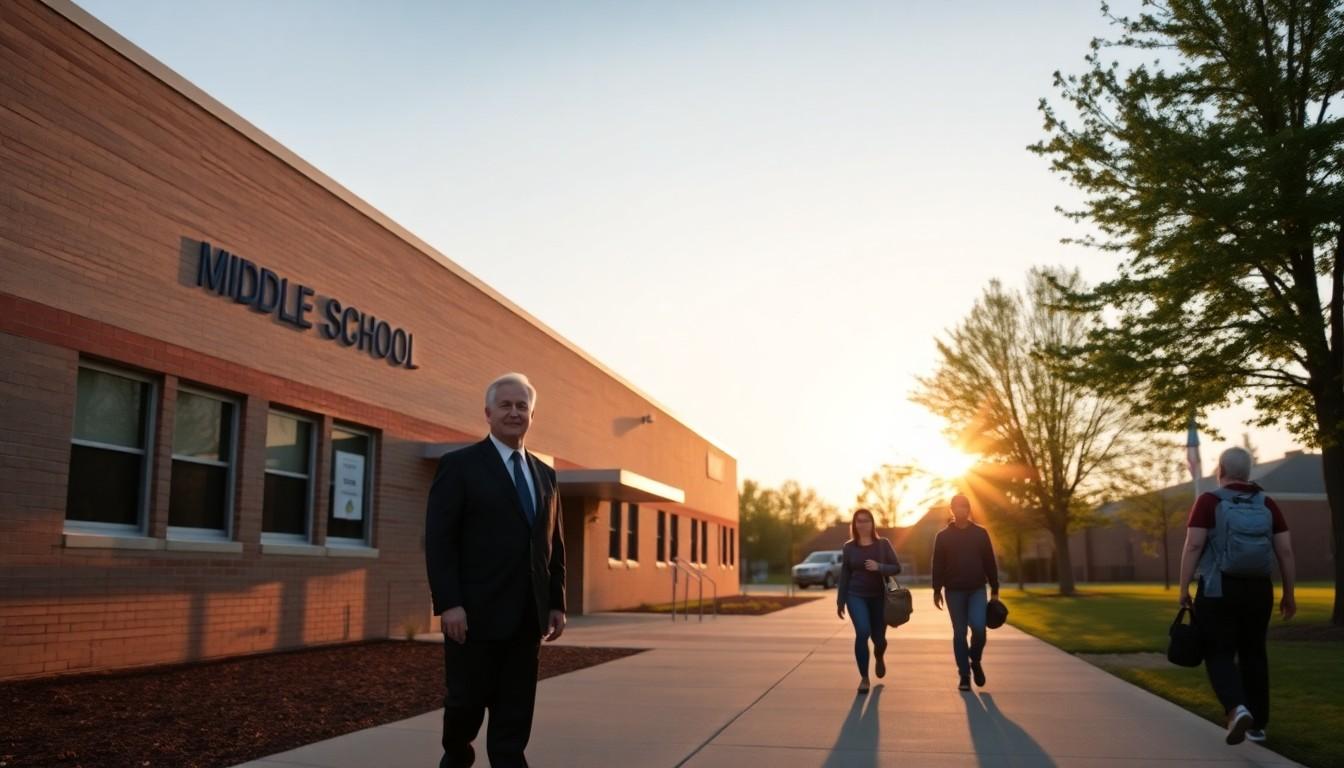
A federal civil rights complaint is seeking investigations into 16 Minnesota school districts over their gender identity policies, putting local guidance on names, pronouns and family communication under a bright national spotlight. The dispute matters to pupils, parents and educators alike, as schools balance student privacy, safeguarding and competing legal claims.
Essential Takeaways
- Sixteen districts named: The complaints reportedly target school systems across Minnesota, including Rochester, Moorhead and Robbinsdale.
- Policies are central: The dispute focuses on guidance covering names, pronouns, gender identity and communication with families.
- Federal review requested: The complainants want federal authorities to examine whether district practices breach civil rights law.
- State protections remain relevant: Minnesota guidance bars discrimination in education on protected grounds, including sex and gender identity.
- Local wording differs: District policies can vary, so the practical effect depends on each school system's published rules.
A complaint puts local school rules under the microscope
Sixteen Minnesota school districts are facing federal civil rights complaints over policies connected with gender identity, according to reports from KTTC and Valley News Live. The filings appear to challenge how schools support pupils who ask to use a different name or pronoun, and how those decisions are shared with parents or guardians.
The issue has become one of the most combustible debates in American education. For some families, privacy protections are a safeguard for vulnerable children. For others, being left out of conversations about a child's identity feels like a serious breakdown in trust. Either way, the complaint turns familiar wording in administrative handbooks into a legal flashpoint. [2], [3]
Which Minnesota districts are involved?
The reported list includes Rochester Public Schools and Moorhead Public Schools, alongside numerous other districts. Valley News Live said the complaint covers 16 districts in total, although the precise allegations may differ from one school system to another.
That distinction matters. A headline can make the dispute sound uniform, but school policies often use different language around preferred names, pronouns, confidentiality, parental notification and access to facilities. Families wanting clarity should read their own district's current policy rather than rely on a social media summary or a national talking point. [2], [4]
What do the policies actually say?
Robbinsdale Area Schools, for example, publishes an administrative procedure addressing gender identity. Such documents typically explain how staff should respond to a pupil's stated identity, how records and everyday classroom interactions are handled, and when confidentiality may have limits.
The practical questions are often less dramatic than the political rhetoric. Can a teacher use a chosen name in class? Who is told, and when? What happens if a pupil is at risk? Parents and staff should look for the exact answers in the district's policy, related procedures and safeguarding guidance, because a single sentence rarely tells the whole story. [5]
Why federal civil rights law is part of the argument
Minnesota's Department of Human Rights explains that pupils are protected from discrimination in education, including discrimination connected with protected characteristics. Those state protections form part of the wider legal backdrop, but the new complaints ask federal authorities to consider whether particular district practices also violate federal requirements.
A complaint is not the same as a finding of wrongdoing. Federal agencies would need to assess the allegations, review the policies and consider how they operate in practice before reaching any conclusion. That process can take time, and districts may have opportunities to respond or revise their guidance along the way. [6], [7]
What happens next for families and schools?
The immediate outcome is likely to be scrutiny rather than instant policy change. Districts may review their wording, consult legal advisers and communicate with families, while investigators decide whether the complaints meet the threshold for further action.
For parents, the most useful step is refreshingly practical: read the relevant policy, ask the school how it handles names and pronouns, and request clarification in writing if the public documents are vague. For pupils, the hope is that the legal argument doesn't drown out the everyday need for classrooms to feel safe, respectful and workable. [4], [5]
The debate is unlikely to disappear soon, but clearer policies and calmer explanations could make the conversation less confusing for everyone involved. [6], [7]
A close look at the wording may reveal more than the loudest arguments.
Source Reference Map
Story idea inspired by: [1]
Sources by paragraph: