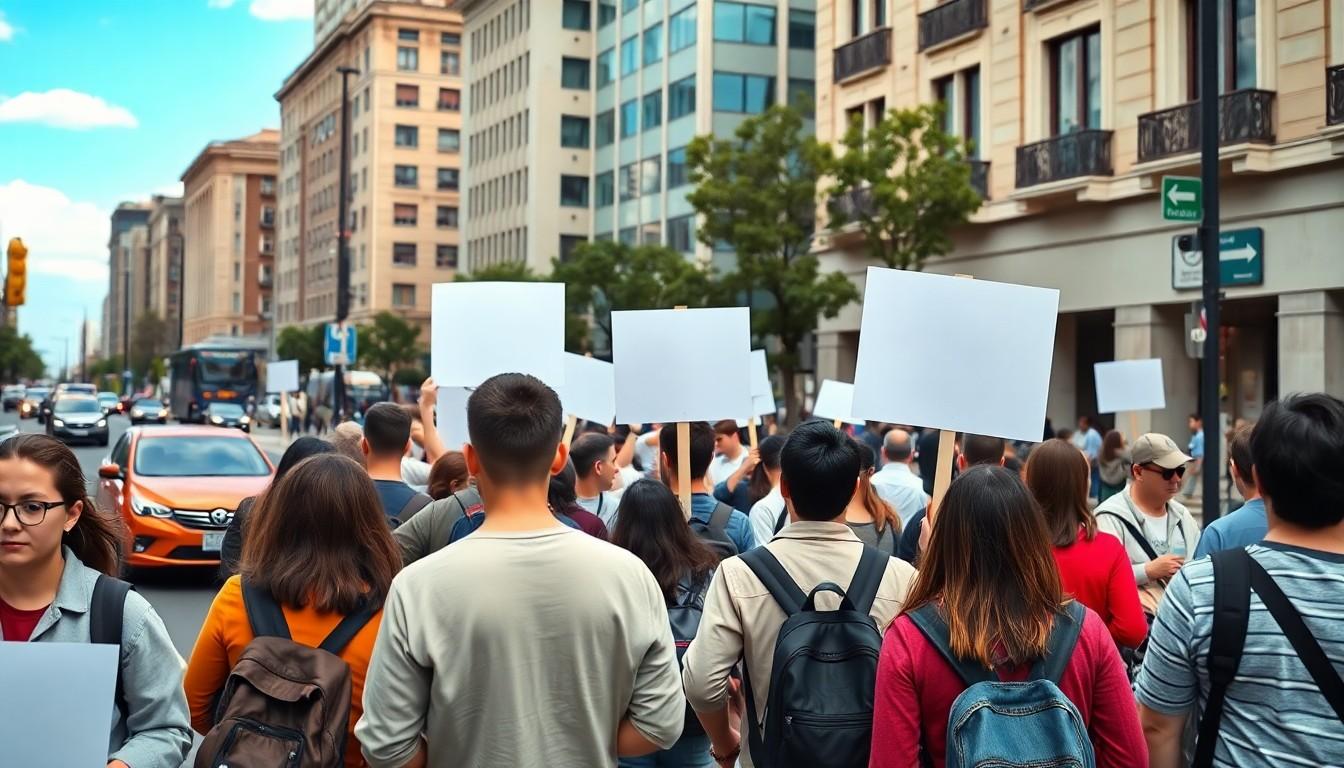
LGBTQ+ groups in Buenos Aires are challenging plans to suspend the Pride march during Pope Leo XIV's visit to Argentina. The dispute has put the date, route and right to protest firmly in the spotlight, while organisers and officials weigh public order against a major annual celebration of LGBTQ+ identity and visibility.
Essential Takeaways
- The issue: Organisers objected to plans affecting the Buenos Aires Pride march during the papal visit.
- The date: Later reports said the march would remain scheduled, despite the dispute.
- The wider tension: Officials must balance security arrangements with the city's established protest and cultural calendar.
- Why it matters: The argument has become a test of LGBTQ+ visibility and the practical limits of public demonstration.
- What to watch: Expect further announcements on the route, policing and possible timetable changes.
Buenos Aires Pride faces a high-profile clash
The proposed change landed with all the subtlety of a marching-band drumbeat. LGBTQ+ organisations in Buenos Aires rejected the idea of suspending the Pride march because of Pope Leo XIV's planned visit, arguing that the event should not be pushed aside by a high-profile religious occasion.
The disagreement is not simply about one afternoon in the city centre. Pride marches carry political, cultural and emotional weight, particularly in Argentina, where LGBTQ+ rights have long been part of a lively and sometimes combative public debate. Reports from AOL and EFE described the organisers' opposition and the controversy surrounding the papal visit.
Why the pope's visit changed the timetable
Large papal trips bring heavy security, restricted access and carefully controlled traffic arrangements. A major march, meanwhile, needs streets, public transport coordination, medical cover and room for large crowds. Put the two together and the scheduling problem becomes awkward very quickly.
That practical explanation hasn't settled the argument. For organisers, moving or cancelling Pride can look like a symbolic demotion, especially when the event is one of the city's most visible annual demonstrations. The Mexican newspaper La Jornada reported that groups were preparing further mobilisation after authorities did not authorise the march in its expected form.
Organisers keep the Pride date in focus
The story then shifted from a possible suspension to a battle over whether the original date would survive. Canal 26 reported that people planning to attend should pay close attention to official updates, while Infobae later said the Buenos Aires LGBTQ+ march would maintain its date after the dispute.
That distinction matters. Keeping the date can reassure attendees, community groups and visitors, but it doesn't automatically answer questions about the route or operating arrangements. In a city where a march can affect several central neighbourhoods, the final practical details may be nearly as important as the headline decision.
What attendees should check before travelling
Anyone planning to attend should verify information through the organisers and Buenos Aires authorities before setting off. Check the confirmed meeting point, start time, route, public transport changes and any security restrictions, rather than relying on an old social media graphic.
It's also sensible to plan for a moving crowd and possible delays. Carry water, keep your phone charged, agree a meeting point with friends and allow extra time for getting home. The mood may be celebratory, but large demonstrations can become tiring, noisy and crowded, particularly around bottlenecks.
A dispute with significance beyond one march
At heart, this is a question about whose events are allowed to occupy public space and when. The papal visit is a major national occasion, but Pride is also an important civic gathering, with its own history, supporters and claims on the city.
The latest reports suggest the march has not simply disappeared from the calendar. Instead, the dispute has forced organisers and authorities to negotiate visibility, security and logistics in full public view. For many attendees, that may make showing up feel even more meaningful.
It's a reminder that keeping a march moving can be a powerful statement in itself.
Source Reference Map
Story idea inspired by: [1]
Sources by paragraph: