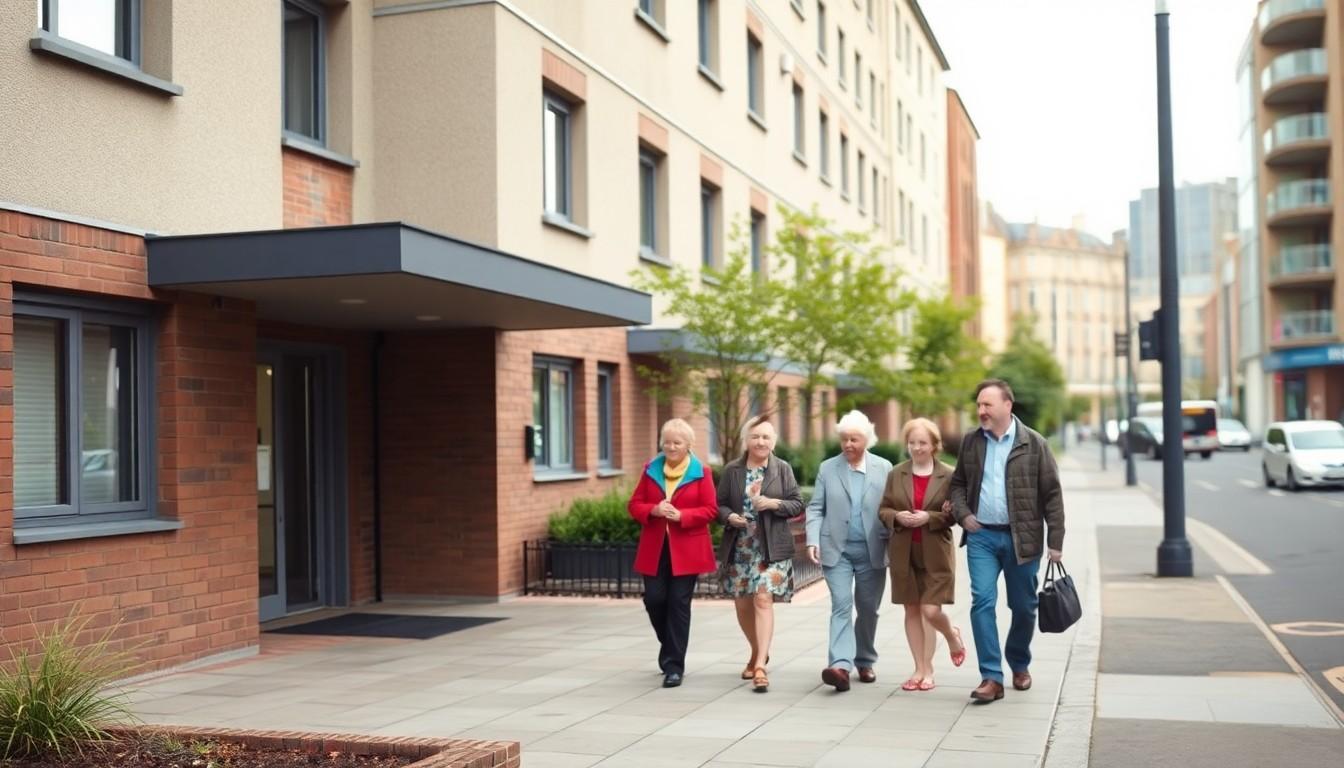
Older LGBTQ+ people in England are facing a quieter crisis: loneliness, financial pressure and anxiety about care that recognises who they are. In Manchester, Kindred House is aiming to offer over-55s a safer, more welcoming alternative, with dedicated social housing designed to protect identity, community and dignity in later life.
Essential Takeaways
- A growing need: Older LGBTQ+ people can face poorer health, tighter finances and greater isolation than the wider older population.
- Care remains a worry: Some fear prejudice from carers or residential providers, and may hide relationships, photographs or gender identity.
- A new model in Manchester: Kindred House is being developed as a majority LGBTQ+ housing scheme for people aged over 55.
- Community matters: Shared spaces and tailored support could help residents stay connected rather than ageing alone.
- The wider lesson: Inclusive care needs more than policies on paper. It requires trained staff and environments where people feel safe being themselves.
Why later-life care can feel like a return to hiding
For many older LGBTQ+ people, reaching later life should mean greater freedom. Instead, some are finding that familiar fears about judgement and discrimination can resurface when they need help at home or consider moving into supported accommodation.
The Centre for Ageing Better says this group is more likely to experience social isolation, financial difficulty and poorer health than older people generally. That combination can make everyday decisions, from arranging home care to choosing somewhere to live, feel unexpectedly high-stakes.
It can also make people edit their own surroundings. BBC News reported that some older LGBTQ+ people hide wedding photographs, remove flags or avoid discussing their relationships when a carer visits. A soft, ordinary detail such as a framed picture can suddenly become something they feel they need to conceal.
Manchester is building a different kind of safety net
Kindred House is being developed in Manchester for residents aged over 55, with the ambition of creating a majority LGBTQ+ housing community. The project is linked to the redevelopment of Russell Road and is expected to combine homes with shared areas where residents can meet, socialise and find support.
Great Places, one of the organisations involved, says the scheme is progressing alongside other work at the site. Manchester City Council has described it as the UK's first major majority LGBTQ+ housing scheme of its kind, marking a significant step for specialist later-life accommodation.
This matters because housing is about more than bricks, rent and a lift that works. A building can influence whether someone feels able to bring a partner home, talk openly to neighbours or display the objects that tell their life story.
The need extends well beyond one city
The pressure isn't confined to Manchester. Research from AARP found that many older LGBTQ+ adults worry about having enough support as they age, including help with health, finances and daily living. In the UK, meanwhile, ageing organisations have warned that services aren't always prepared for a population whose needs and experiences may differ from those of heterosexual and cisgender peers.
Older LGBTQ+ people aren't one uniform group, of course. A lesbian couple in their seventies, a gay man living alone and a trans resident navigating care all bring different histories and practical concerns. But the shared thread is clear: trust matters, especially after a lifetime in which openness could carry real personal or professional risks.
That history also explains why a standard promise of "everyone is welcome" may not be enough. People need to see inclusive practice in action, from staff training and respectful language to forms that don't make assumptions about partners or family.
What should people look for in LGBTQ+-inclusive care?
For anyone comparing housing or care options, the most useful clues are often practical. Ask whether staff receive LGBTQ+ inclusion training, how complaints about discrimination are handled and whether residents can keep partners, chosen family and important friends involved in decisions.
It's also worth checking the atmosphere rather than relying only on a brochure. Are there visible signs of inclusion? Do staff use the right names and pronouns without fuss? Can residents decorate their homes freely, and are social activities genuinely welcoming rather than token gestures?
Families and friends can help by starting these conversations early, before a crisis forces a rushed move. A clear plan about healthcare contacts, legal authority, finances and personal preferences can give someone more control when circumstances change.
A home can protect a lifetime of identity
Kindred House won't solve every problem facing older LGBTQ+ people, and one development can't replace properly funded care or wider staff training. Still, it offers a powerful response to a problem that's often treated as invisible.
For residents who have spent decades fighting to live openly, the idea of ageing somewhere they don't have to explain themselves could be quietly radical. As more people reach later life with the expectation of being seen and respected, housing providers will need to catch up.
The test will be whether schemes like this become unusual landmarks or the beginning of a much broader shift in how later-life housing is designed.
A safe home should let people grow older without shrinking themselves.
Source Reference Map
Story idea inspired by: [1]
Sources by paragraph: