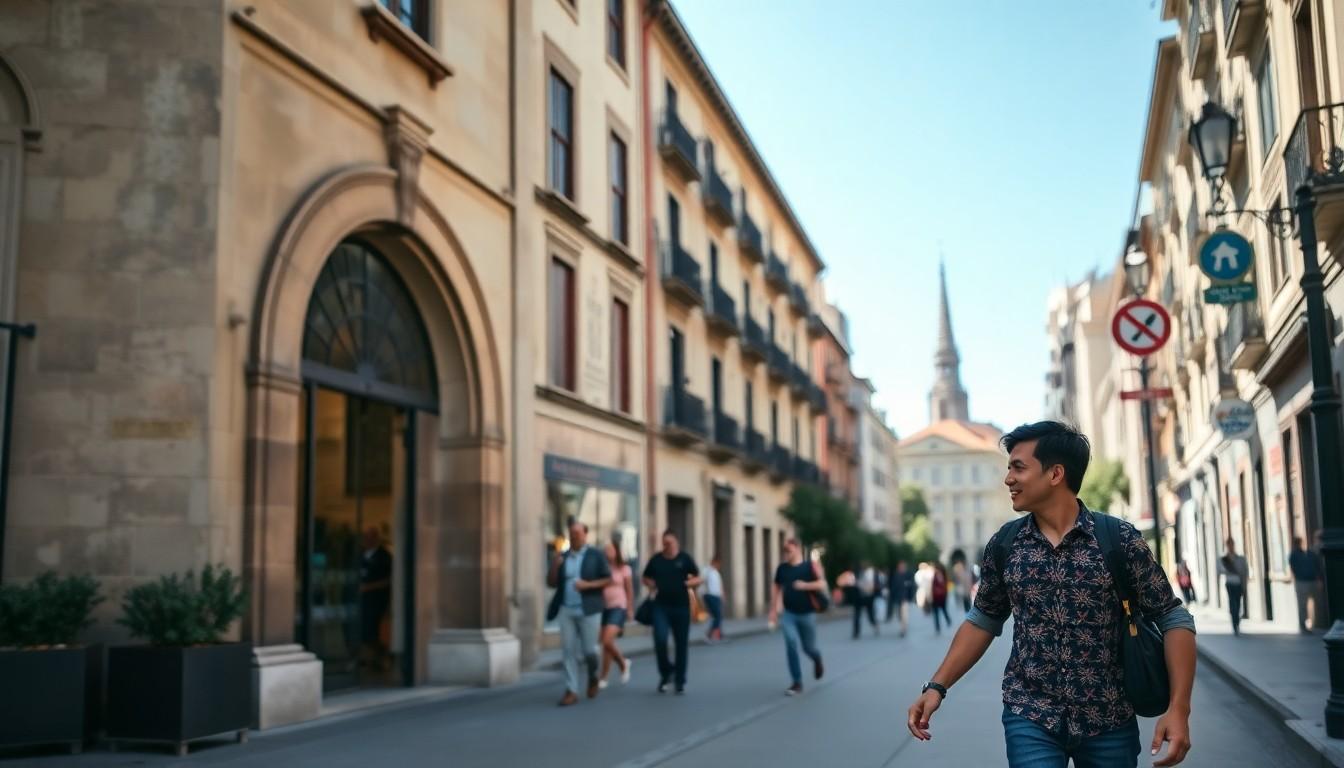
Travellers are turning a playful Barcelona crossword into an unexpectedly useful guide to the city, from Catalan language facts and carton gazpacho to seafood, museums and rainy-day magic. Inspired by Tuc Watkins and Andrew Rannells' Barcelona adventures, it captures the small discoveries that make a trip feel personal, social and gloriously unpredictable.
Essential Takeaways
- Catalan is a language: It has its own history, literature and recognised linguistic identity.
- Food is part of the itinerary: Gazpacho, seafood and salted bream all earn memorable mentions.
- Rain can improve Barcelona: Wet streets add shimmer and atmosphere rather than simply spoiling plans.
- Small encounters matter: A familiar voice or long-lost friend can transform an ordinary day.
- The best tips are personal: The crossword mixes practical observations with the sort of details guidebooks often miss.
Barcelona rewards curiosity, not just planning
The most memorable Barcelona travel tips aren't always about landmark queues or restaurant bookings. Sometimes they're about noticing how a city sounds, tastes and behaves around you, whether that's hearing Catalan in conversation or discovering that a supposedly intimidating funicular is more entertaining to pronounce than to ride.
That sense of discovery runs through the crossword-style reflections shared by Tuc Watkins after a Barcelona trip with Andrew Rannells. According to the original feature, the pair's observations range from food and television to museums and chance reunions, giving the city a relaxed, personal glow.
Catalan is more than a language lesson
One of the clearest takeaways is also one of the most important for visitors: Catalan isn't simply a local accent or a casual dialect. It has its own development, grammatical structure and literary tradition, and it's spoken across Catalonia and other parts of the region, according to Barcelona Yellow.
The language's history stretches back to the medieval period, while modern Catalan sits alongside Spanish in public and cultural life. Linguistic references, including Wikipedia's overview, describe it as a Romance language with close connections to Occitan and the other Romance languages of western Europe.
That context makes a small effort go a long way. A simple bon dia or gràcies won't turn you into a fluent speaker, but it signals respect, and it may open a warmer exchange than relying automatically on English.
Food discoveries are doing plenty of the sightseeing
Barcelona's food scene often gets reduced to tapas, but this travel diary suggests a broader appetite. Carton gazpacho, seafood and salted bream all appear as small revelations, which is a useful reminder that memorable meals don't need to be expensive or ceremonious.
Gazpacho in a carton sounds wonderfully practical, especially after a hot afternoon of museums and steep streets. Meanwhile, the amused reaction to salted bream captures something every traveller knows: dishes can taste far better than their names suggest. Sometimes the menu is a tiny leap of faith.
Catalonia's food culture also reflects its distinct regional identity, with local ingredients and traditions sitting alongside influences from across Spain and the Mediterranean. Recent reporting by El Pais has highlighted the continuing importance of Catalan cultural life, even as patterns of everyday language use change.
Museums, television and rainy streets make a surprisingly good mix
The trip's cultural references are refreshingly unbuttoned. A museum director who watches Girls is perhaps not a major tourist attraction, but it's exactly the sort of detail that makes a place feel inhabited rather than staged.
Then there's the rain. Instead of treating wet weather as a travel disaster, the crossword frames rain in Barcelona as something almost cinematic, with slick pavements and softened light giving the city a little extra sparkle. Pack a compact umbrella, wear shoes with grip and embrace the change of mood.
The Joan Miro Museum, meanwhile, offers a more obvious cultural anchor, with its collection dedicated to the Catalan artist's vivid, playful work. Pairing a museum visit with a long lunch or a slow wander through Montjuic is a much better rainy-day strategy than trying to race between every outdoor sight.
The best Barcelona memories are often accidental
Perhaps the sweetest observation is the least guidebook-like: hearing someone call your name in an unfamiliar city and discovering it's a friend you haven't seen for two decades. That kind of coincidence can't be booked, but leaving some space in an itinerary makes it more likely that you'll notice moments like it.
The same goes for letting someone else answer a tour guide's question. It sounds minor, even a little cheeky, but travel is more enjoyable when it leaves room for other people to participate. A city isn't a private stage set; it's a conversation.
Catalonia's multilingual character makes those conversations especially interesting. Assemblea Nacional Catalana describes Catalan and Spanish as central languages in Catalonia, while other languages are also part of the region's diverse social fabric. For visitors, listening is often the most useful first step.
A lighter way to plan your next city break
The crossword's charm lies in its mixture of useful information and wonderfully specific opinions. It doesn't pretend that every attraction will delight every visitor, and it understands that a meal, a film reference or a surprise reunion can stay with you longer than a carefully photographed monument.
So, when planning Barcelona, leave room for three things: one cultural stop, one unplanned meal and one route with no particular purpose. The funicular may or may not be thrilling, but your own version of the city's story will be richer for taking it.
It's a small shift, but curiosity remains one of the best ways to experience Barcelona.
Source Reference Map
Story idea inspired by: [1]
Sources by paragraph: