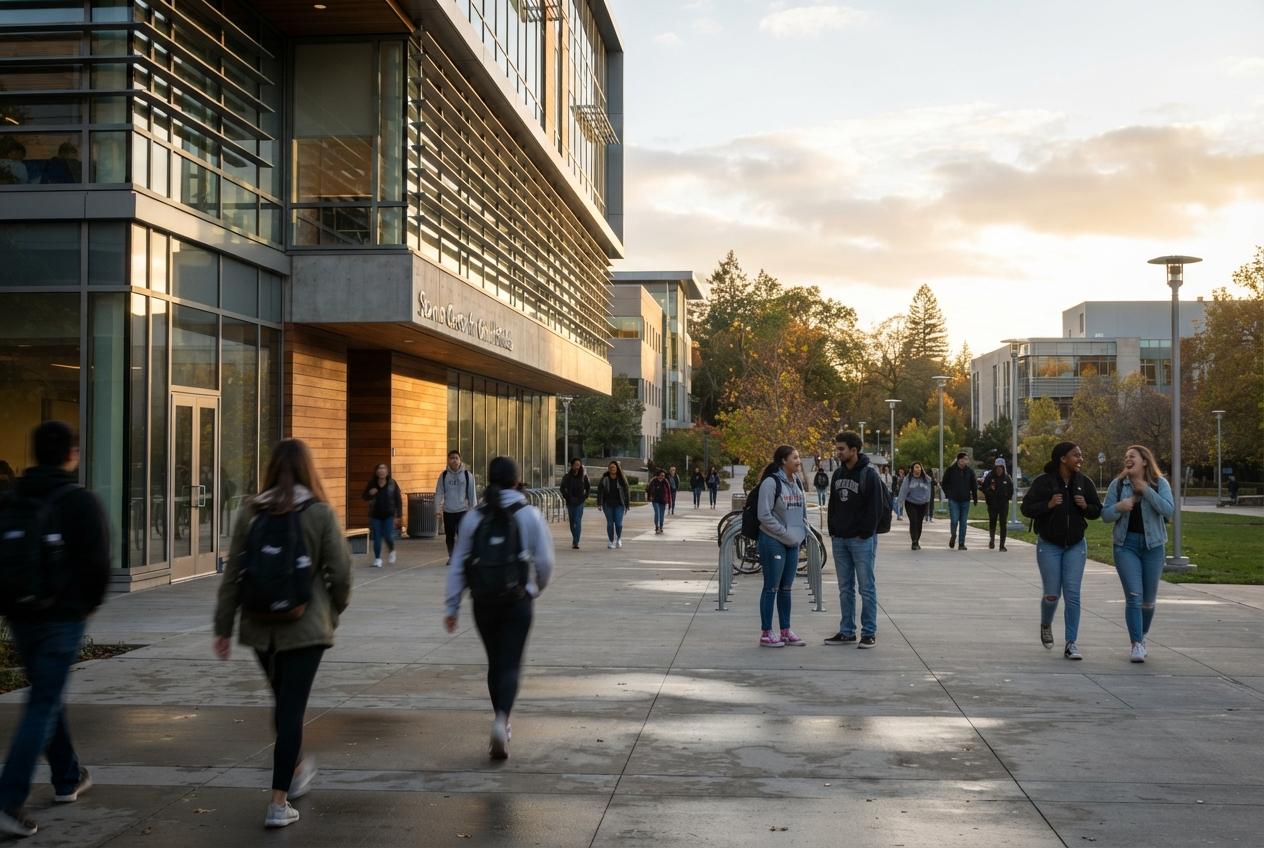
Viewers are returning to Hillman College on Netflix, where a new generation of students brings fresh energy, sharper conversations and the show's first openly queer character. For actor Jordan Aaron Hall, playing Amir is more than a breakout role after Pose and Rustin; it's a chance to give Black queer audiences a fuller, more human story.
Essential Takeaways
- Jordan Aaron Hall stars as Amir: The character is an original student, not connected to the returning legacy families.
- Representation takes centre stage: Amir is openly queer, Black and written with more depth than a familiar TV stereotype.
- The reboot honours its roots: Seven returning characters link the Netflix sequel to the much-loved NBC series.
- Debbie Allen remains closely involved: She returns as both performer and executive producer, helping shape the show's modern voice.
- Season one is streaming now: Netflix has already renewed the series for a second season.
Amir gives Hillman College a new perspective
The biggest change at this version of Hillman College isn't simply the updated wardrobe or a new crop of campus dramas. It's Amir, played by Jordan Aaron Hall, whose presence gives the Netflix series a queer Black viewpoint the original never had.
Hall has described Amir as layered, believable and free from the usual shorthand. That matters because audiences can spot a token character a mile off. Here, the appeal lies in seeing someone whose sexuality is part of his life, rather than the whole point of his existence.
Gaye Magazine highlighted the character as a major step forward for the franchise, while Out's interview with Hall explored how carefully the role has been handled. It's a promising sign for viewers who want representation that feels lived-in, not pasted on.
From Pose and Rustin to a defining role
Hall arrives with useful experience behind him. His work in Pose connected him to the show's rich history of queer storytelling, while Rustin placed him inside a film about Bayard Rustin, the gay civil rights organiser whose contribution to the March on Washington has often been overlooked.
That background gives Amir extra weight. Hall understands that a performance can entertain while still opening a door for people who rarely see their own lives treated with care on screen.
He has also spoken warmly about being part of stories larger than himself. In Out's conversation, he reflected on the responsibility of portraying characters with dignity and emotional range. For a young actor still building his profile, it's an unusually clear sense of purpose.
The reboot respects the original without living in its shadow
The original A Different World ran from 1987 to 1993 and became a cultural touchstone for audiences who saw Black students, friendships and HBCU life placed at the centre of a mainstream sitcom. The new series brings back seven familiar characters, but it isn't merely replaying old memories.
Instead, the sequel places new students alongside the returning cast, allowing the show to keep its family resemblance while finding a contemporary rhythm. Marie Claire's coverage of leading actor Maleah Joi Moon has underlined how the new generation sits at the heart of that approach.
That balance is tricky. Too much nostalgia can make a reboot feel like a museum exhibit, while too little can leave fans wondering why the old title was needed. So far, the promise is a livelier middle ground, with legacy characters providing warmth and newer voices doing the heavier lifting.
Debbie Allen brings experience and discipline
Debbie Allen's return is another reason the series feels connected to its history. She's involved both in front of the camera and behind it as executive producer, bringing the authority of someone who helped define the original show's tone.
Hall has praised Allen's willingness to listen to younger cast members rather than assuming older creators automatically know what today's audience wants. That's an important distinction, particularly for a series trying to speak to viewers shaped by social media, changing language and more open conversations about identity.
Her influence also brings a sense of standards. Hall has recalled Allen's emphasis on knowing the words, preparing properly and arriving ready to work. It might sound simple, but television sets run on that kind of quiet discipline. The sparkle only works when someone has done the homework.
Is Netflix's A Different World worth watching?
For fans of the original, the reboot offers familiar faces and a new chapter rather than a straight remake. Tom's Guide has included the series among Netflix's prominent viewing choices, while RogerEbert.com's review coverage points to the challenge of reviving a beloved title for a modern audience.
The show should also appeal to viewers discovering the franchise for the first time. Its HBCU setting, ensemble cast and coming-of-age stories provide plenty of entry points, while Amir's storyline adds a perspective that was missing from the earlier series.
Hall's own advice to aspiring performers is refreshingly grounded: stay disciplined, consistent and encouraged. That message fits the show, too. A Different World is at its best when it treats reinvention as a long road, not a magic trick.
Explore the Netflix sequel for its mix of campus nostalgia, new voices and genuinely welcome representation.
Source Reference Map
Story idea inspired by: [1]
Sources by paragraph: