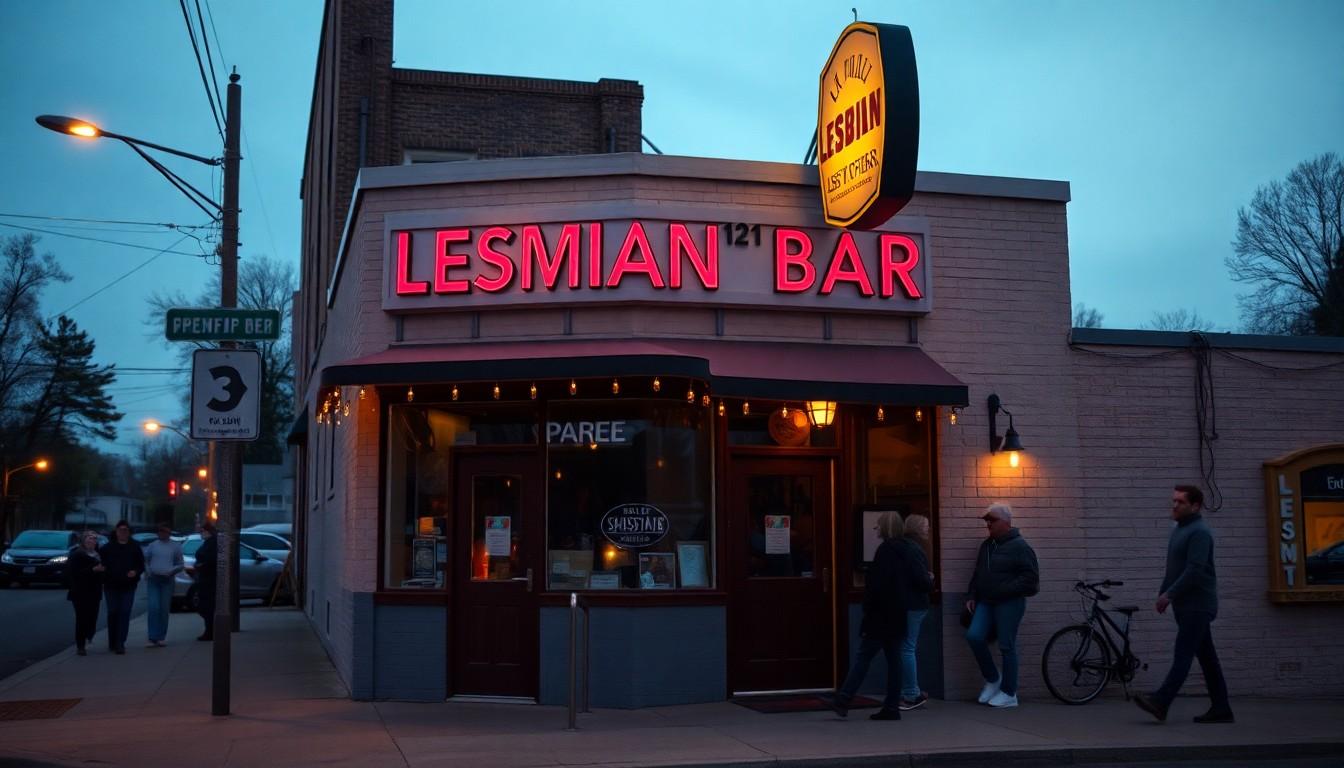
A satirical McSweeney's piece imagines Grandpa Joe weighing in on a Western Massachusetts lesbian bar controversy, using his famously unreliable perspective to poke fun at online outrage, disability, public health and one very divisive film character.
The joke starts with an unmistakable narrator
Grandpa Joe is an odd choice for any serious conversation, particularly one involving an LGBTQ+ venue, masking policies and access for immunocompromised people. In McSweeney's parody, he's an elderly straight white man who admits he barely understands the issue, then launches into a wildly confident opinion anyway.
That mismatch is the engine of the humour. The character's homespun self-pity, questionable judgement and sudden internet access collide with a genuinely complicated disagreement at a lesbian bar in Greenfield, Massachusetts. The result is less a policy argument than a comic demolition of the person who insists on joining every debate.
The Boston Globe report behind the satire concerns conflict over mask-optional Saturday-night events and the effect that policy may have on immunocompromised patrons. McSweeney's keeps the underlying tension visible, but filters it through a narrator who has no business presenting himself as the voice of reason.
What the Massachusetts bar dispute is really about
At its heart, the reported disagreement appears to involve competing needs within a community space. Some patrons want events where masks aren't required, while others say that choice can make attendance unsafe or unrealistic for people with health vulnerabilities.
Those aren't abstract concerns. A bar may need lively, accessible events to bring in enough money to survive, but an inclusive venue also has to think carefully about who can safely enter the room. The difficult part is that both sides can see themselves as defending the community, which makes compromise feel personal very quickly.
The satire doesn't solve that problem, and it isn't trying to. Instead, it highlights how easily a messy internal dispute can become online spectacle, with participants, former partners and commenters all pulled into a cycle of accusation and reaction.
Grandpa Joe's greatest talent is missing the point
The original Willy Wonka character has long inspired unusually strong reactions. As CinemaBlend and other film commentators have noted, his sudden ability to leap from bed and dance once Charlie finds the golden ticket has made him a memorable target for viewers who see him as lazy or manipulative.
That history gives the parody plenty to work with. McSweeney's folds in his bed-bound reputation, the fizzy-lifting-drink incident and his disastrous enthusiasm for the golden ticket, turning each detail into evidence of a man who believes his own version of events.
The joke is sharper because Grandpa Joe occasionally brushes against something recognisable. He understands what it feels like to be judged, to stay home while others go out and to make a mistake that attracts public criticism. But his comparisons are so self-absorbed that the empathy immediately collapses into another monologue about himself.
Satire takes aim at online outrage
The piece also skewers the way internet arguments flatten complicated situations. A dispute involving health, access, business pressures and community responsibility becomes a prompt for strangers to declare villains, demand consequences and, in one especially ugly example, threaten violence.
Grandpa Joe's imaginary commentary makes that escalation look ridiculous. He treats extreme reactions as part of the same continuum as his own questionable choices, as though stealing fizzy lifting drink and threatening to firebomb a bar belong in one neat moral category. They don't, of course, and that absurdity is precisely the point.
The character's invented Reddit handle and appetite for starting fights push the joke into familiar territory. Online, being loudly involved can feel more rewarding than being informed. Even a fictional grandfather with a dubious moustache can become a self-appointed expert after a few minutes on the internet.
Why the film references land so well
The parody works best when it returns to details audiences already know. Grandpa Joe's long inactivity, his celebratory dance, his family dynamics and his role in the Wonka story are all established parts of the character's public image, whether fair or not.
Film discussions have repeatedly questioned the logic of Willy Wonka's world, while fan references have kept Grandpa Joe's reputation alive far beyond the 1971 film. That makes him ideal comic material: recognisable in seconds, irritating to many viewers and already surrounded by decades of argument.
Still, the satire isn't really about whether Grandpa Joe deserves a second chance. It's about the danger of making every disagreement a stage for personal grievance. Sometimes the person who says they empathise with everyone is simply finding new ways to talk about themselves.
A funny voice for a serious question
Under the jokes, the story leaves readers with a worthwhile question: how should community venues balance financial survival, personal freedom and access for people facing greater health risks? There isn't a magical chocolate solution, and a bar can't remove every disagreement with one new rule.
What it can do is explain its decisions clearly, listen to affected patrons and recognise that "open to everyone" doesn't automatically mean everyone can participate on equal terms. Meanwhile, audiences can resist the temptation to turn a local dispute into a spectator sport.
Grandpa Joe would probably disagree, preferably from a bed, but the strongest response to a complicated community conflict is rarely the loudest one.
A good laugh can expose bad arguments, but it shouldn't replace careful listening.
Source Reference Map
Story idea inspired by: [1]
Sources by paragraph:
- Paragraph 1: [2], [3]
- Paragraph 2: [3], [4]
- Paragraph 3: [3], [5]
- Paragraph 4: [3], [6]
- Paragraph 5: [4], [7]
- Paragraph 6: [3], [5]
- Paragraph 7: [4], [6]
- Paragraph 8: [5], [7]
- Paragraph 9: [3], [4]
- Paragraph 10: [3], [6]
- Paragraph 11: [4], [7]
- Paragraph 12: [3], [5]
- Paragraph 13: [3], [7]
- Paragraph 14: [3], [4]
- Paragraph 15: [3], [5]
- Paragraph 16: [3], [7]
- Paragraph 17: [3], [4]