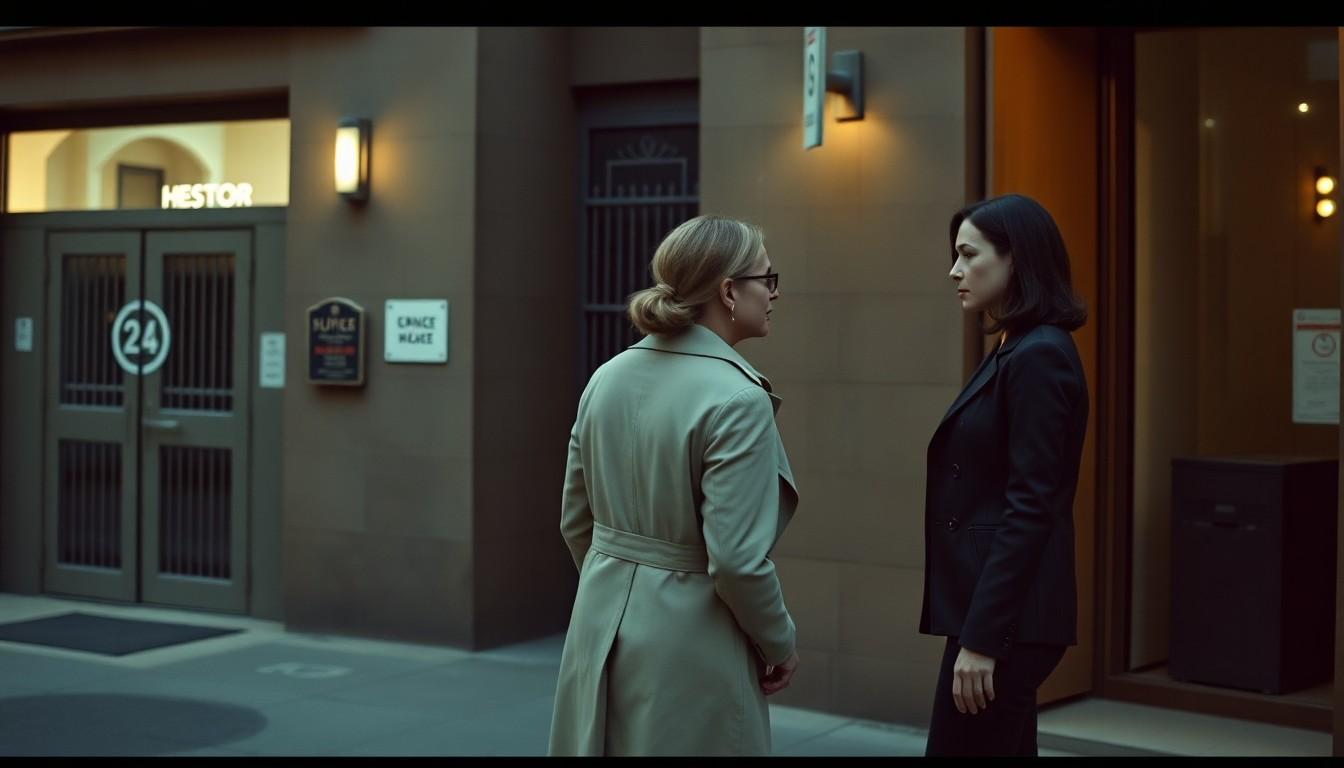
Viewers are rediscovering D.E.B.S., the 2004 sapphic spy comedy, on streaming and finding more than tartan skirts, diamond heists and flirtatious chaos. Beneath its glossy, playful surface, the film offers a surprisingly tender story about identity, secrecy and choosing a life that feels honest, which helps explain its enduring queer-cult appeal.
Essential Takeaways
- A playful premise: D.E.B.S. follows an elite schoolgirl spy squad investigating criminal mastermind Lucy Diamond.
- A tender central romance: Sara and Lucy's attraction gradually challenges the loyalties and identities they've been handed.
- Camp with purpose: The outrageous costumes, villains and action amplify the film's emotional ideas rather than distracting from them.
- A lasting cult favourite: Critics and queer film archives continue to celebrate its unusually happy, unapologetic sapphic ending.
The tartan-clad spy comedy has more going on
At first glance, D.E.B.S. looks like pure froth: plaid uniforms, secret agents, diamond thieves and a Russian assassin who dreams of becoming a ballerina. Yet the film's greatest trick is how quickly those knowingly silly ingredients become a vehicle for something emotionally recognisable.
The story centres on Sara, a gifted member of the D.E.B.S., and Lucy Diamond, the glamorous criminal she's assigned to monitor. When their first proper encounter turns unexpectedly romantic, the supposed hero and villain discover that the biggest threat isn't a gunfight. It's the possibility of wanting a different life. The Independent has described the film as an unapologetically camp sapphic spy adventure, and that combination still feels wonderfully distinctive. [3]
D.E.B.S. was directed by Angela Robinson and expanded from her earlier short film, giving the feature a polished comic-book energy without losing its intimate focus. The film's premise may be absurd, but its emotional question is simple: what happens when the role you've been given no longer fits? [2])
A queer romance without the usual punishment
One reason the film still feels refreshing is that Sara and Lucy aren't kept apart because their relationship is same-sex. The obstacle is professional allegiance. Sara is expected to catch Lucy, while Lucy is expected to remain a criminal mastermind, so their romance is forbidden because of the worlds they inhabit rather than their sexuality.
That distinction matters. It lets the film imagine queer desire as ordinary, exciting and worth pursuing, while still acknowledging the fear that comes with hiding an important part of yourself. The tension comes from double lives, coded conversations and divided loyalties, not from a storyline built around shame.
There is a slight contradiction at the heart of that idea. Sara and Lucy ultimately have to leave their communities to be together, which echoes real experiences of queer people who have felt pushed away from familiar spaces. But the film also gives them an unapologetically happy ending. Queer Cinema Archive's preservation of the film reflects how valuable that emotional generosity has become to its audience. [6]
Sara's secret identity runs deeper than the spy plot
The D.E.B.S. recruitment test adds another layer to Sara's journey. Candidates are selected through an unusual exam, and the quality it prizes most is the ability to lie. In a spy comedy, that's a neat joke. In Sara's story, though, it becomes a quietly pointed metaphor.
Sara has become skilled at performing the version of herself that her friends, colleagues and boyfriend expect. Her attraction to Lucy breaks through that performance, making it increasingly difficult to pretend that everything is fine. The film doesn't announce this with a solemn speech, which suits its breezy tone, but the idea is there in every evasive glance and awkward excuse.
That makes Sara's eventual decision feel bigger than a romantic gesture. Leaving the D.E.B.S. means abandoning status, routine and approval in favour of art school and a more truthful future. The choice is dramatic, certainly, but it also has the satisfying clarity of someone finally stopping the performance.
Why the camp still works today
D.E.B.S. understands that style can carry meaning. The squad's matching shirts, ties and skirts establish a shared institutional identity, while their different footwear gives each character a small pocket of self-expression. Combat boots, Mary Janes and heels become visual shorthand for personalities that the uniform can't quite flatten.
The supporting cast adds to the film's bright, knowing tone. Holland Taylor brings authority and comic poise to the D.E.B.S. leadership, while Lucy's criminal circle feels more like a heightened pop fantasy than a realistic underworld. Sightlines Media notes the film's distinctive reception and its continuing appeal as a cult object, which is hardly surprising given how confidently it embraces its own oddness. [4]
There are also small details that make the world feel unusually welcoming, from the film's playful sapphic references to its refusal to make heterosexual normality the only path to happiness. The result is less polished than a modern studio blockbuster, but arguably more personal. You can feel the handmade charm beneath the glossy surface.
A cult classic with an unusually sunny ending
D.E.B.S. arrived in the mid-2000s, when openly romantic queer stories with happy endings were still far less common in mainstream film. Its blend of action, comedy and sapphic romance gave viewers something both escapist and affirming, even if the film's modest release meant it took time to find its audience. [2])
That audience has kept the film alive through rewatches, online recommendations and archive work. Recent commentary has treated it as a welcome remedy for viewers looking for a playful queer romance after more intense dramas, while its placement in queer film collections underlines its cultural staying power. [5] [6]
The film isn't subtle in every respect, and that's part of the pleasure. It wears its heart alongside its glittery spy gadgets, then drives into the sunset without apologising for wanting a happy ending. For many viewers, that may be the most radical thing about it.
D.E.B.S. proves that a film can be silly, stylish and emotionally sincere at the same time.
Source Reference Map
Story idea inspired by: [1]
Sources by paragraph: