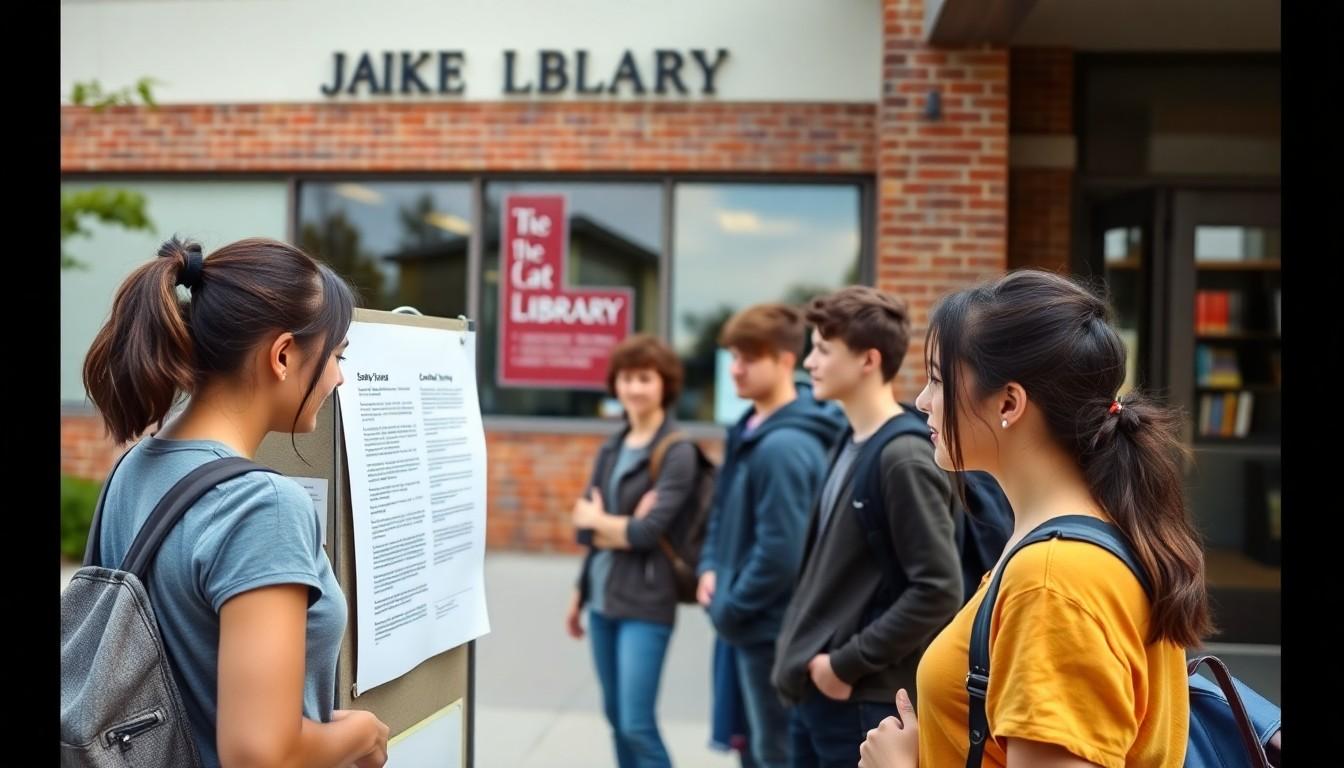
Parents and library users in Wake County, North Carolina, are debating a teen reading challenge that promoted LGBTQ-themed books and included titles some critics say contain sexually explicit material. The dispute has renewed wider questions about age guidance, parental choice and how public libraries present challenging books to younger readers.
Essential Takeaways
- The handout: A “Read More Queer Challenge” was aimed at pupils in Grades 6-12 and used a bingo-style format.
- The recommendations: The list included fiction, memoir and non-fiction titles focused on LGBTQ identities, allyship and youth activism.
- The controversy: Critics objected to the age range and alleged sexual content in some recommended books.
- The wider context: Wake County libraries have previously faced disputes over LGBTQ-themed titles, including Gender Queer and Lawn Boy.
- The practical question: Families want clearer content information and a straightforward way to decide what suits each child.
A teen reading challenge becomes a flashpoint
A brightly designed bingo card might sound harmless enough, but this one quickly became a political and parental flashpoint. Wake County Public Libraries staff created the “Read More Queer Challenge” for Grades 6-12, encouraging young readers to explore books featuring LGBTQ characters and themes.
The challenge reportedly included categories such as queer horror, fantasy, science fiction, romance and mystery, alongside identity-based prompts. For some families, that looked like an invitation to discover underrepresented voices. For others, the broad age band raised an uncomfortable question: should an activity potentially reaching an 11-year-old point readers towards every title on the same list?
According to the reporting behind the controversy, the material was designed for display in a teen area rather than distributed directly to children. That distinction matters, but it doesn't entirely settle the issue when the printed guidance itself covers both younger secondary pupils and older teenagers.
Why the book list drew criticism
The sharpest objections centred on several recommended titles, including All Boys Aren't Blue, Ace of Spades, The Comedienne's Guide to Pride, The Heartbreak Bakery and The Witch King. Critics argue that the books include sexual references, discussions of identity or mature situations that may not be suitable for every reader in the stated age range.
The debate isn't simply about whether these books exist in a library. Libraries routinely hold material for different ages and reading abilities. The sticking point is the act of recommending particular titles through a youth challenge, especially when the same list appears to cover children at very different stages of development.
Some of the non-fiction choices also prompted criticism because they discuss allyship, organising and social justice. Supporters would see that as civic education and representation. Opponents see it as the library moving from helping children find books to encouraging a particular form of activism.
Wake County has been here before
This isn't Wake County's first argument over LGBTQ-related reading material. Local reporting has previously covered disputes involving Gender Queer, a graphic memoir that became one of the most challenged books in the United States, and Lawn Boy, another title criticised by parents over sexual content.
According to ABC11 and Spectrum News, earlier complaints led to discussion about whether certain books should remain on library shelves. In one case, Gender Queer was temporarily removed before returning after further review. That episode showed how quickly a single title can become a proxy battle over censorship, public funding and parental authority.
Meanwhile, coverage from the News & Observer and INDY Week illustrates the competing pressures facing library leaders. They must protect access to books while also responding to families who expect transparent age guidance. Neither side is likely to be satisfied by vague labels or a one-size-fits-all policy.
What parents should check before choosing a book
For families, the most useful approach is wonderfully unglamorous: check the individual title rather than relying on a challenge card or a social-media description. Look at the publisher's age guidance, read a detailed synopsis and use reputable content notes where available.
It also helps to distinguish between themes and explicit scenes. A book may explore gender, sexuality or discrimination without being sexually graphic, while another may contain material that some families consider too mature despite a relatively young marketing category. Reading level and emotional maturity aren't always the same thing.
Parents can ask library staff for a content overview, request alternative recommendations or use the catalogue to find books with similar themes but a gentler treatment. Wake County's catalogue provides a starting point, although families may still want to investigate a title before handing it to a younger reader.
The bigger question is transparency
Public libraries are at their best when they make discovery easy without pretending every book suits every child. That means clear age bands, honest content descriptions and an easy process for parents to raise concerns without turning every disagreement into a culture-war spectacle.
The Wake County dispute also highlights how a simple promotional activity can carry more weight than its creators expect. A bingo card may be intended as an invitation to browse, yet its categories and recommended titles can look like an endorsement of every book for every pupil.
There is no shortage of strong, inclusive reading for teenagers. The challenge is making the route to those books clear enough that young people can explore confidently, while families still feel they have a meaningful say.
A little more transparency could make the next reading challenge far less combustible.
Source Reference Map
Story idea inspired by: [1]
Sources by paragraph: