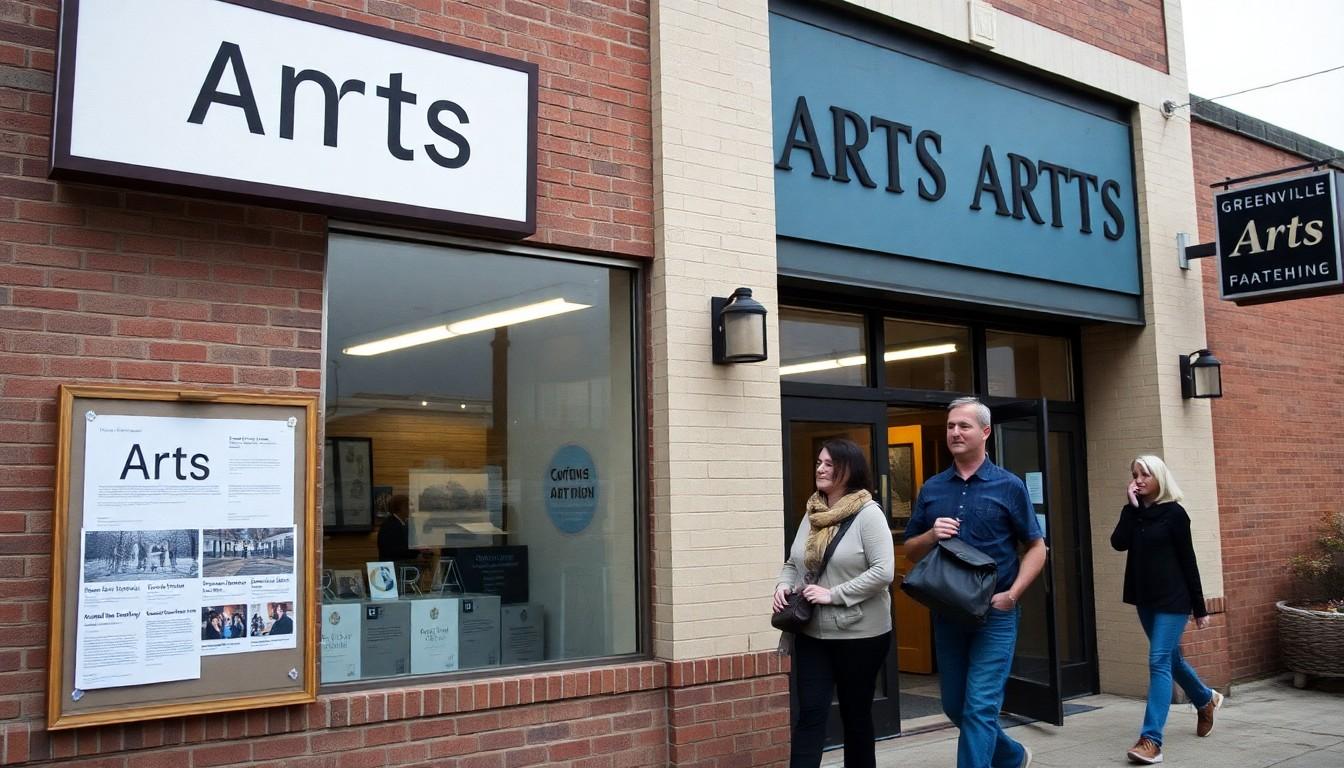
Arts supporters are watching South Carolina after the state arts commission rejected grants for two LGBTQ-focused organisations, despite approving millions for other groups. The decision has prompted criticism from civil liberties advocates and could lead to legal action, raising urgent questions about public funding, artistic freedom and whether identity influenced the outcome.
Essential Takeaways
- Two grants rejected: The Greenville Gay Men’s Chorus was denied $13,000, while Proud Mary Theatre Company lost a grant worth nearly $4,000.
- Millions approved elsewhere: The commission approved about $3.7 million for more than 170 other arts organisations.
- Extra scrutiny applied: Both LGBTQ-focused applicants were reportedly asked to resubmit information and attend a closed meeting.
- Legal action possible: The chorus is considering whether to challenge the decision.
- Wider concern: Critics say the case could affect how public agencies judge identity, subject matter and artistic merit.
Two LGBTQ arts groups were singled out
The contrast is stark. While South Carolina’s Arts Commission approved a broad package of public grants, it rejected applications from the Greenville Gay Men’s Chorus and Spartanburg’s Proud Mary Theatre Company, according to the South Carolina Daily Gazette.
The chorus had sought $13,000, while Proud Mary applied for just under $4,000. Those sums are modest beside the commission’s overall awards, but the decision has carried much greater weight for the organisations involved. It feels less like an ordinary funding disappointment and more like a test of who gets to appear in the state’s cultural picture.
Both groups had already been told in August that funding was expected, before being asked to provide fresh budgets and further explanations of their artistic work, Fox Carolina reported. The commission later questioned them about their activities, including whether they worked with schools.
Why the commission’s reasoning is under fire
Emails cited in reporting suggest that at least two board members objected to organisations built around particular sexual orientations and to public funding for drag performances. One board member reportedly questioned whether the groups’ work fitted the commission’s aims, while another raised concerns about how legislators might react.
That explanation has alarmed the American Civil Liberties Union of South Carolina. The organisation said the two applicants appeared to have faced extra hurdles and that the closed-door September meeting may itself have breached open-meeting requirements, according to its public response.
The commission also adopted language saying grant-funded work must not promote an ideology. Supporters of that approach may see it as a neutral safeguard, but critics argue that the definition is so broad it could make almost any story about minority lives appear political. As former state poet laureate Ed Madden observed in commentary reported by local media, claiming art is never political can itself be a political position.
Artistic merit appears to be at the heart of the dispute
Mary Adam, executive director of the Gay Men’s Chorus, said the group received 91 out of 100 for artistic merit from independent grant reviewers. That detail has become central to the controversy, because it suggests the application performed strongly under the commission’s normal assessment process.
Proud Mary has made a similar point in different terms. Its secretary, Sally McClellan, said the loss was troubling not simply because of the money, but because of what the decision signalled about LGBTQ+ people and their place in the arts.
The argument also becomes harder to separate from programming. Local director John Fagan pointed out that another theatre receiving commission support was presenting some of the same works as Proud Mary, including Kinky Boots, the musical featuring drag performers. That comparison has sharpened accusations that the issue may be who is presenting the work, rather than the work itself.
What this means for public arts funding
Public arts grants are meant to support cultural activity that benefits communities, but they inevitably involve judgement. The difficult line is deciding whether an organisation is being assessed on quality and reach, or whether its identity is being treated as a political statement.
That matters beyond South Carolina. LGBTQ+ choirs, theatre companies and community arts groups often create work that is explicitly connected to lived experience. If a funding body treats that connection as evidence of an “agenda”, applicants may feel pressured to make their work appear less personal, less visible or less honest.
There is also a practical concern. The ACLU of South Carolina warned that delaying or withholding awards can put smaller organisations under real strain, particularly when they have planned seasons, paid artists or booked venues around expected support. For a small theatre company, a few thousand dollars can cover rehearsal space, technical costs or artist fees.
A decision with consequences beyond one grant round
The chorus is evaluating its legal options, while civil liberties advocates continue to question the commission’s process. Any challenge could examine whether the decision was consistent with constitutional protections, grant rules and the commission’s own treatment of comparable applicants.
State lawmakers have also entered the debate. Some conservative legislators have criticised funding for the chorus and other LGBTQ+ organisations, while one lawmaker described publicly funded LGBTQ+ performances as inappropriate art. That political pressure may help explain the board’s concerns, but it doesn't settle whether those concerns were lawful or fair.
For the groups involved, the issue is ultimately about recognition as much as revenue. Public arts funding tells communities whose stories are considered valuable. In this case, critics say South Carolina has sent a distinctly uncomfortable message.
A small grant decision has opened a much larger argument about equal treatment, artistic freedom and who public culture is really for.
Source Reference Map
Story idea inspired by: [1]
Sources by paragraph:
- Paragraph 1: [2], [3]
- Paragraph 2: [2], [4]
- Paragraph 3: [6], [7]
- Paragraph 4: [2], [3]
- Paragraph 5: [5], [6]
- Paragraph 6: [2], [7]
- Paragraph 7: [3], [5]
- Paragraph 8: [2], [6]
- Paragraph 9: [6], [7]
- Paragraph 10: [2], [4]
- Paragraph 11: [5], [6]
- Paragraph 12: [2], [3]
- Paragraph 13: [6], [7]
- Paragraph 14: [2], [4]
- Paragraph 15: [5], [7]
- Paragraph 16: [2], [3]