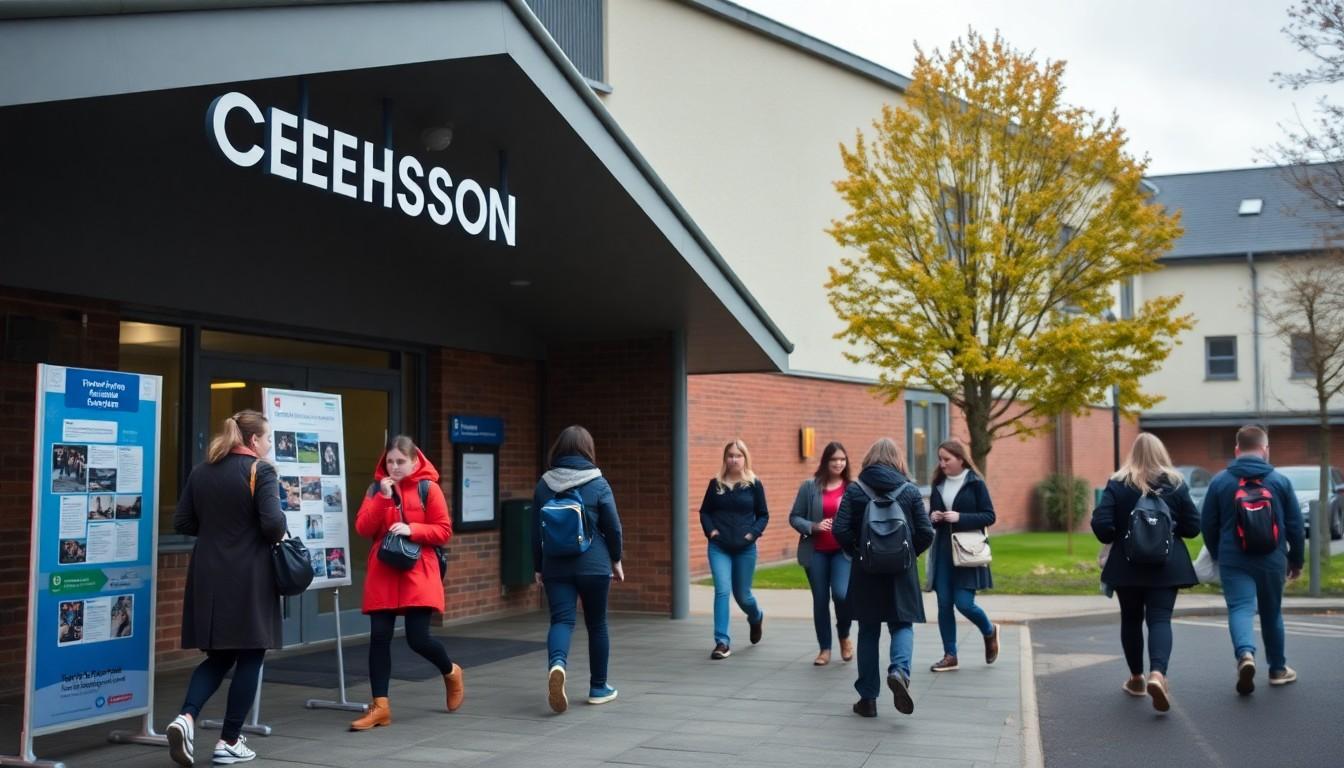
Educators and LGBTQI+ advocates gathered in Ireland to examine why improving visibility in secondary schools has not yet delivered the same progress in student safety. The Safe. Seen. Supported. conference brought together researchers, teachers and support organisations to share practical ideas on inclusion, bullying prevention and reliable LGBTQI+ information in schools.
Essential Takeaways
- Visibility is rising: Attendees rated LGBTQI+ visibility in Irish secondary schools at 3.6 out of five.
- Safety remains weaker: LGBTQI+ student safety received an average score of just 2.6.
- Belonging happens everywhere: Corridors, libraries and informal social spaces can shape whether pupils feel accepted.
- Misinformation is a concern: Schools are being urged to offer accurate, age-appropriate guidance amid a complicated online landscape.
- Inclusion is shared work: Teachers, students, families and community groups all have a role in creating supportive schools.
More visibility does not automatically mean more safety
A school can display an inclusion poster, discuss LGBTQI+ identities in class and still leave pupils feeling exposed. That was the uncomfortable message running through Ireland's Safe. Seen. Supported. LGBTQI+ Inclusive Education Conference, where attendees saw a clear difference between visibility and safety.
Participants gave LGBTQI+ visibility in Irish secondary schools an average score of 3.6 out of five, while LGBTQI+ student safety scored only 2.6. The figures, reported by GCN, suggest that recognition is moving faster than confidence in the day-to-day experience of queer pupils.
That gap matters. Being mentioned in a lesson is one thing; knowing whom to approach after harassment in the lunch queue is quite another. ShoutOut's conference materials place practical school support at the centre of the discussion. [2]
Why the ordinary school spaces matter
Sinan Aşçi of DCU's Anti-Bullying Centre focused on a less obvious part of school life: the moments between lessons. Their point was that belonging isn't confined to a classroom, but is built through relationships, shared spaces and small signs that a young person is noticed.
For LGBTQI+ pupils, those details can carry real weight. A welcoming tutor, a clear anti-bullying response or a staff member who uses respectful language may make school feel less like somewhere to endure and more like somewhere to belong.
The conference programme included discussions on identity, bullying, inclusion, safety and support. A course listing from Donegal Education Centre also shows how the event was positioned as professional development for educators, rather than a conversation limited to specialist organisations. [3]
Schools are being asked to challenge online misinformation
The organisers also warned that young people and their parents or guardians are navigating an increasingly difficult online environment. When social media blends useful advice with rumours, hostility and confident-sounding falsehoods, schools can provide an important reality check.
That doesn't mean every teacher needs to become an expert in every aspect of LGBTQI+ life. It does mean schools need dependable policies, clear referral routes and access to organisations with relevant experience. Resources from groups such as ShoutOut and Queerying can help educators move beyond vague statements of support towards informed action. [4]
For families, the practical question is simple: if a child raises a concern about identity, bullying or safety, does the school know what to do next? A calm, consistent answer is far more reassuring than a beautifully worded policy that gathers dust.
Inclusion works best when the whole community joins in
Speakers included Dr Angela Rickard of Maynooth University, primary school principal and LGBTQ+ advocate David Gough, and researchers from DCU's Anti-Bullying Centre. Workshops also involved groups including AsIAm, GORM and Women's Aid's Too Into You, bringing different perspectives into the same conversation.
TENI Executive Director Daire Dempsey said conferences of this kind are important for building schools where LGBTQI+ students and educators feel welcome and respected. ShoutOut CEO Ruadhán Ó Críodáin similarly stressed the value of educators and organisations sharing experience, knowledge and realistic ways to help young people.
That collaborative approach reflects a wider education-sector interest in safer, more inclusive learning environments. Work on respectful school communities, anti-bullying practice and professional learning has also featured across Irish education networks, including union-led initiatives and higher-education events. [5]
What meaningful progress could look like
The next step is turning discussion into visible routines. Schools can review their anti-bullying procedures, make support contacts easy to find, train staff to respond confidently and ensure LGBTQI+ topics are addressed accurately rather than treated as an awkward add-on.
They can also ask pupils what safety feels like in practice. Do students trust staff to intervene? Are gender-neutral facilities handled sensitively? Can a young person report harassment without having to repeatedly explain themselves? Those answers may reveal more than a single policy document.
The conference's central lesson is both sobering and hopeful: visibility is a start, not the finish line. As one speaker's contribution suggested, belonging is made in the everyday spaces where students pause, talk and decide whether they matter.
A safer school is built in those small moments, one response and one relationship at a time.
Source Reference Map
Story idea inspired by: [1]
Sources by paragraph: