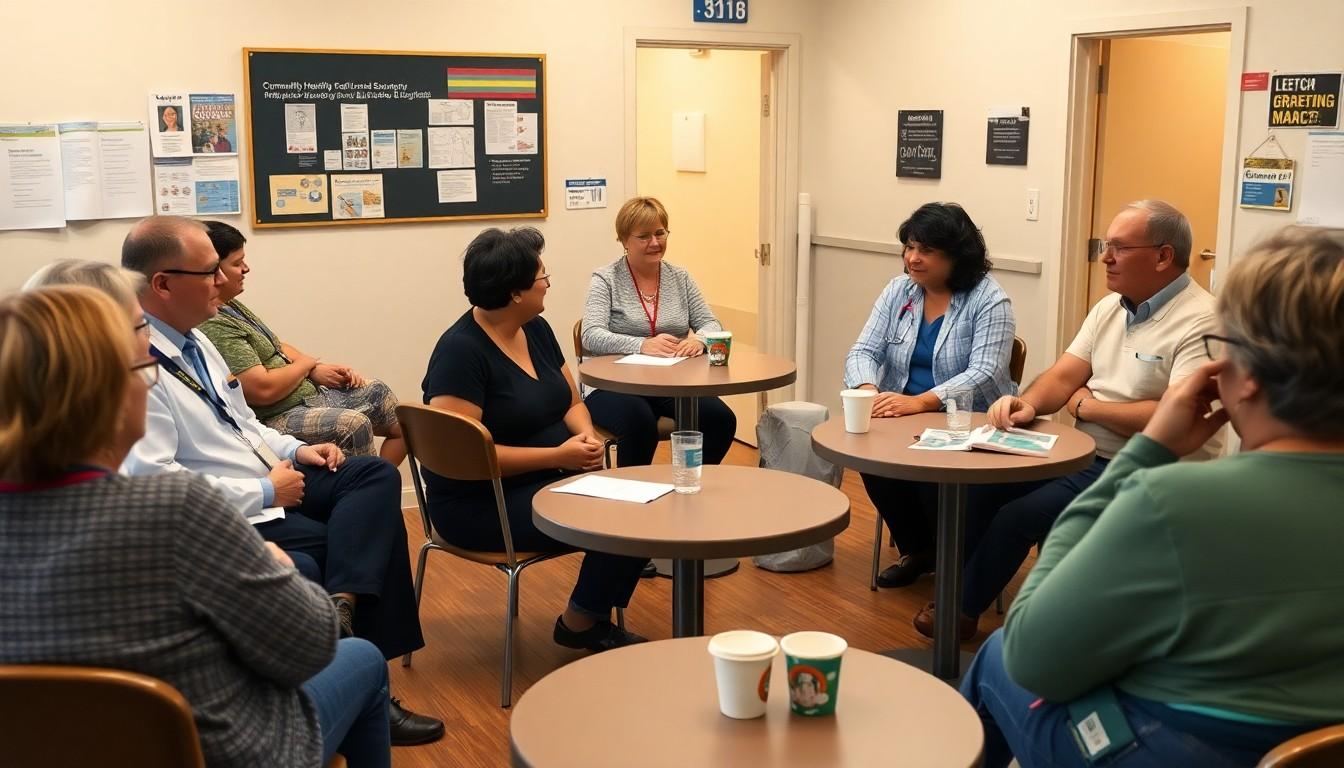
People across Birmingham's LGBTQ+ community are being invited to share their experiences of health screening this October. The Rainbow Roundtable sessions focus on what makes appointments accessible, respectful and genuinely useful, while offering a friendly setting, refreshments and help with travel costs.
Essential Takeaways
- Two focused sessions: Separate discussions are planned for trans and non-binary people, and for the wider LGBTQ+ community.
- Health screening in focus: Participants can discuss experiences involving breast, prostate and cervical screening.
- Practical support available: Refreshments will be provided, with travel-cost assistance offered.
- Ideas can shape services: Feedback may help improve awareness, existing provision and future support.
- A confidential conversation: The format is designed to make space for honest experiences, both positive and difficult.
A quieter way to talk about screening
Health screening can sound straightforward on paper. In reality, the experience may involve awkward forms, unfamiliar language, anxiety about being misgendered or uncertainty about whether a service understands your needs.
That is why the Rainbow Roundtable sessions matter. Rather than simply telling people to attend appointments, they invite LGBTQ+ people to explain what helps, what gets in the way and where the system still feels uncomfortable. The sessions are being organised by Birmingham LGBT, with event listings also appearing through Outsavvy and local events directories.
Why the right information matters
Screening advice isn't always presented in a way that reflects the variety of bodies, identities and medical histories within the LGBTQ+ community. Someone may know that screening is important but still struggle to work out which guidance applies to them, or how to ask questions without having to explain their identity from scratch.
The roundtables will explore those gaps across areas including breast, prostate and cervical cancer screening. According to the event information, organisers want to understand how real experiences affect health and wellbeing, not just collect general opinions.
Two groups, different experiences
The programme includes a dedicated discussion for trans and non-binary people, alongside a session for LGBTQ+ people more broadly. That distinction is useful, because a one-size-fits-all conversation can easily overlook the specific barriers faced by trans and non-binary attendees.
Event listings for the sessions describe them as opportunities to share personal experiences and suggest improvements. Participants don't need to arrive with a polished speech or a list of policy recommendations. Sometimes the most valuable detail is a small one, such as unclear wording on a letter or an appointment environment that feels unexpectedly cold.
What could change after the conversations?
The organisers say feedback could inform awareness work, self-help information, new services or improvements to existing ones. That gives the discussions a practical purpose beyond a single evening of conversation.
There is no promise that every suggestion will appear immediately, of course. Still, services are more likely to improve when people can describe the problem in their own words. As the event pages make clear, both reassuring and frustrating experiences are welcome, which should help create a fuller picture of what screening feels like in practice.
A welcoming invitation, not another hurdle
Refreshments and travel-cost support may sound like small additions, but they can make a real difference. Removing the extra hassle of getting to an event helps more people take part, particularly when the subject itself may feel personal or emotionally draining.
If you're considering attending, it may help to think beforehand about one screening experience you'd repeat and one thing you'd change. You don't have to share anything you're uncomfortable discussing, but your perspective could help make future appointments less stressful for someone else.
A good health service should meet people where they are, and these conversations are a practical step in that direction.
Source Reference Map
Story idea inspired by: [1]
Sources by paragraph:
- Paragraph 1: [2], [3]
- Paragraph 2: [4], [5]
- Paragraph 3: [6], [7]
- Paragraph 4: [3], [4]
- Paragraph 5: [5], [6]
- Paragraph 6: [2], [3]
- Paragraph 7: [4], [5]
- Paragraph 8: [3], [7]
- Paragraph 9: [2], [6]
- Paragraph 10: [4], [5]
- Paragraph 11: [3], [6]
- Paragraph 12: [2], [7]
- Paragraph 13: [4], [5]
- Paragraph 14: [2], [3]
- Paragraph 15: [6], [7]