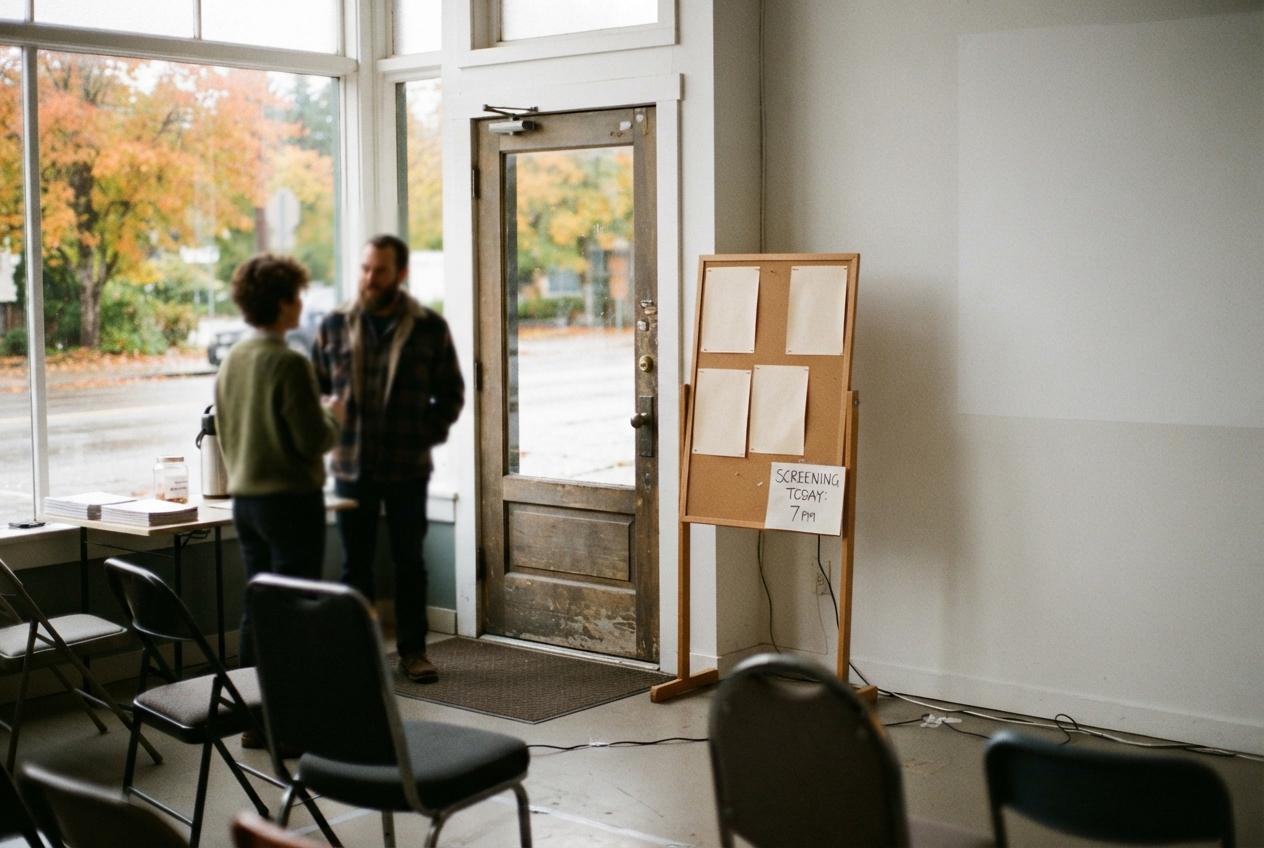
Community audiences in Comox can catch the award-winning documentary Parade: Queer Acts of Love & Resistance on 16 October, with a free screening, food available to buy and a discussion afterwards. The event offers a vivid way to explore Canada’s 2SLGBTQI+ history, while making space for younger viewers, families and allies.
Essential Takeaways
- Free community event: The screening takes place at Bayside Bistro in Comox on 16 October.
- A powerful historical record: The film follows decades of 2SLGBTQI+ activism through testimony and archival material.
- Conversation continues afterwards: Audiences are invited to stay for a discussion about queer history, solidarity and allyship.
- Food is available: Bayside Bistro will serve its usual menu, including sushi, maki, onigiri and Japanese comfort food.
- Tickets are recommended: Entry is free, but advance booking through Eventbrite is advised.
A powerful film brings queer history to Comox
The strongest reason to attend is the film itself. Parade: Queer Acts of Love & Resistance traces the long, often painful road from 1950s persecution to the modern Pride movement, balancing anger and hope with a strong sense of celebration. The National Film Board lists the documentary among its current film offerings, giving audiences a chance to encounter this important Canadian story in a communal setting. [2]
That history isn't presented as a tidy timeline. Instead, the documentary brings together first-person accounts and archival footage, creating the feeling of a movement built in real time, through protests, organising, performance and persistence. It's the kind of viewing experience that can leave a room quiet for a moment before the conversation begins. The Gate's Hot Docs review also places the film within Canada's documentary festival conversation. [4]
Why the October date matters
The event arrives during 2SLGBTQI History Month and shortly after National Coming Out Day on 11 October. That timing gives the screening a wider purpose: it's not simply an evening at the cinema, but an opportunity to connect personal stories with the political and social changes that made greater visibility possible. Rainbow Gatherings is using the occasion to put history where it belongs, in public conversation. [3]
The film covers defining moments including the We Demand Rally, opposition to police raids and the growing recognition of Two-Spirit and Indigenous identities. Those threads matter because queer history isn't one single story, and the movement's progress has never come from one group or one generation alone. Reel Canada highlights the documentary's place in the broader record of Canadian queer cinema. [7]
Come for the screening, stay for the discussion
After the credits, attendees are encouraged to remain for a discussion. That follow-up is especially useful for younger members of the 2SLGBTQI+ community who want to bring parents, relatives or friends into the conversation without having to explain everything alone.
It also gives allies a practical way to listen. Rather than treating the documentary as a history lesson that ends when the lights come up, the event invites people to ask what solidarity looks like now. The Comox United Church event listing confirms the screening and discussion as part of the local Rainbow Gatherings programme. [3]
A secular event with a welcoming approach
Although the gathering is hosted by the Affirm Committee of Comox United Church, organisers stress that it is secular and held off-site. There will be no preaching or evangelising, an important distinction for people whose experiences with religious institutions have been difficult or exclusionary. That clarity should make the event feel more accessible to a broad audience, including those who might otherwise hesitate. [3]
The approach is refreshingly straightforward: create room for community, learning and connection, then let the film do its work. It's also a reminder that inclusive programming depends not only on the subject matter, but on how safely and thoughtfully an event is framed.
Free entry, with food on the menu
Admission is free, though tickets are recommended. Bayside Bistro will offer its regular menu for purchase, including sushi and maki rolls, onigiri, spring rolls, steamed buns, gyoza and dumplings. In other words, nobody needs to choose between dinner and documentary night. [3]
For anyone planning to attend, booking ahead is the sensible move, particularly because free community screenings can fill quickly. The film is also available through several listings and platforms, including JustWatch and Rotten Tomatoes, but seeing it with a local audience and joining the discussion afterwards offers something a home stream can't quite match. [5] [6]
It's a small evening with a big subject, and a chance to turn queer history into shared understanding.
Source Reference Map
Story idea inspired by: [1]
Sources by paragraph: