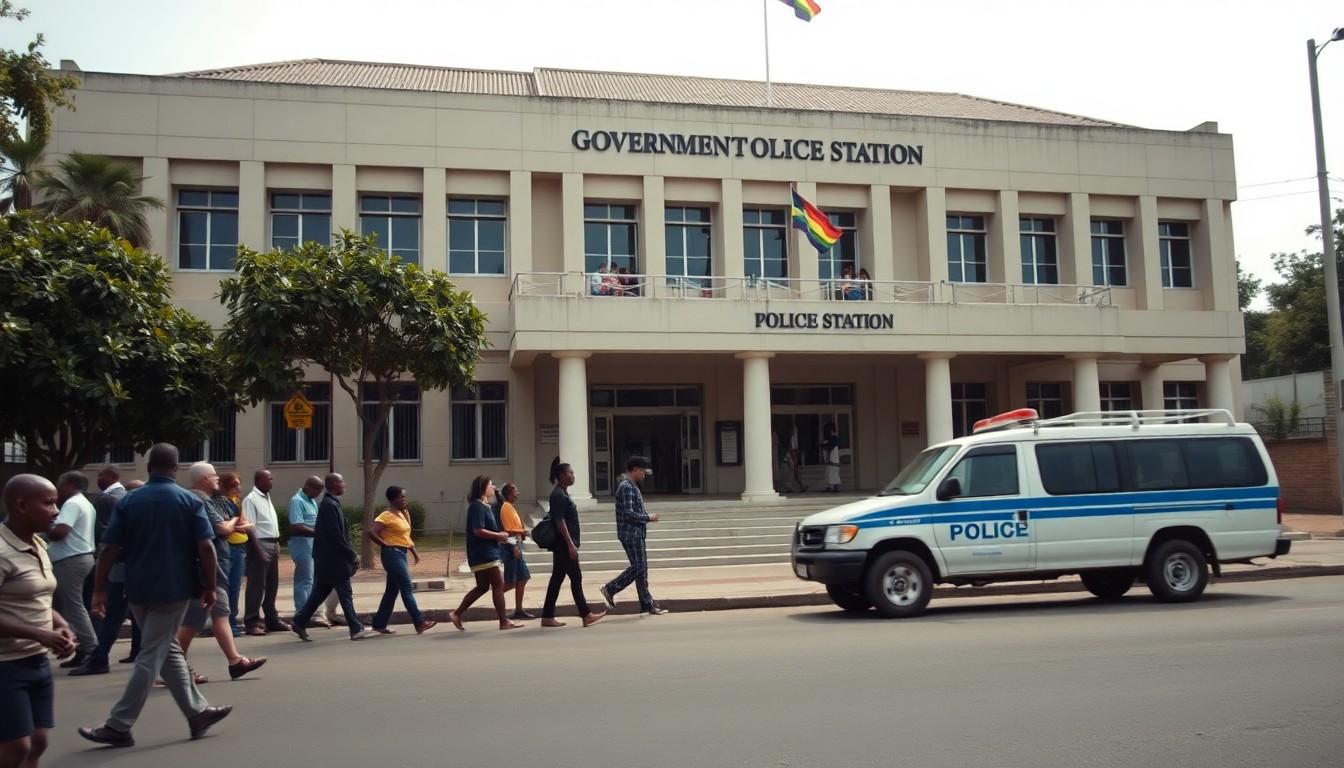
Zimbabwe's renewed debate over same-sex relations has put policing, privacy and LGBT rights back under the spotlight, with campaigners and observers warning that harsh rhetoric can deepen fear while doing little to protect communities from abuse.
Essential Takeaways
- Police warning: Authorities have reiterated that people may face prosecution over same-sex acts or alleged promotion of homosexuality.
- Long-running pressure: Zimbabwe's LGBT community has faced arrests, intimidation and public hostility for years.
- Wider concern: Rights groups say aggressive enforcement can discourage victims from reporting violence or seeking help.
- Practical reality: Legal risk and social stigma make confidential, trusted support especially important.
A familiar warning with serious consequences
Zimbabwe's latest police statement has reignited an argument that has simmered for decades. National police spokesperson Paul Nyathi reportedly said people could face prosecution for engaging in same-sex acts or promoting homosexuality, placing law enforcement at the centre of an already heated national debate.
For LGBT Zimbabweans, the language is more than political theatre. It can shape whether someone feels safe at home, at work or when approaching the authorities after violence. Reporting by The Zimbabwean has previously described police investigations and allegations involving an organised gay network, showing how quickly official scrutiny can move into private lives.
Why the debate keeps returning
Zimbabwe's approach to homosexuality has long been tied to political messaging and social conservatism. Earlier reporting by The Guardian documented attacks on gay-rights workers, including allegations of torture and intimidation, while Voice of America has reported on previous police crackdowns against homosexual people.
That history helps explain the anxiety surrounding fresh warnings. Even when officials describe enforcement as a matter of law, the public effect can be broader: families may become more fearful, employers less tolerant and vulnerable people less willing to seek medical or legal assistance.
Enforcement can make abuse harder to expose
One of the most troubling questions is what happens when a person facing abuse is also worried about being arrested or exposed. If victims believe that contacting police could put them at risk, serious allegations may remain hidden.
Previous reporting has also highlighted the involvement of young people in cases linked to accusations of homosexuality. The Zimbabwean reported on pupils being arrested over such claims, an episode that underlines how damaging these disputes can be when they enter schools and family life.
What the legal debate means on the ground
For readers trying to understand the situation, the central issue isn't only whether prosecutions occur. It's also how vaguely defined accusations, public statements and social pressure affect everyday behaviour.
The UK government's country information on Zimbabwe has previously raised concerns about human-rights conditions and treatment of LGBT people. In practice, anyone facing questioning or detention should seek advice from a qualified local lawyer or a reputable rights organisation, avoid signing documents they don't understand and prioritise personal safety.
A debate with consequences beyond politics
Supporters of tougher measures often frame the issue as a defence of national values. Critics argue that criminalisation and public hostility don't prevent abuse, but instead push people further into secrecy and make accountability more difficult.
That tension is unlikely to disappear soon. Yet the human cost is clear: behind every official warning are people weighing whether it is safe to be honest, ask for help or simply go about their lives. A calmer, evidence-led conversation would be a far better place to start.
It's a small step towards a debate that protects people rather than frightening them.
Source Reference Map
Story idea inspired by: [1]
Sources by paragraph: