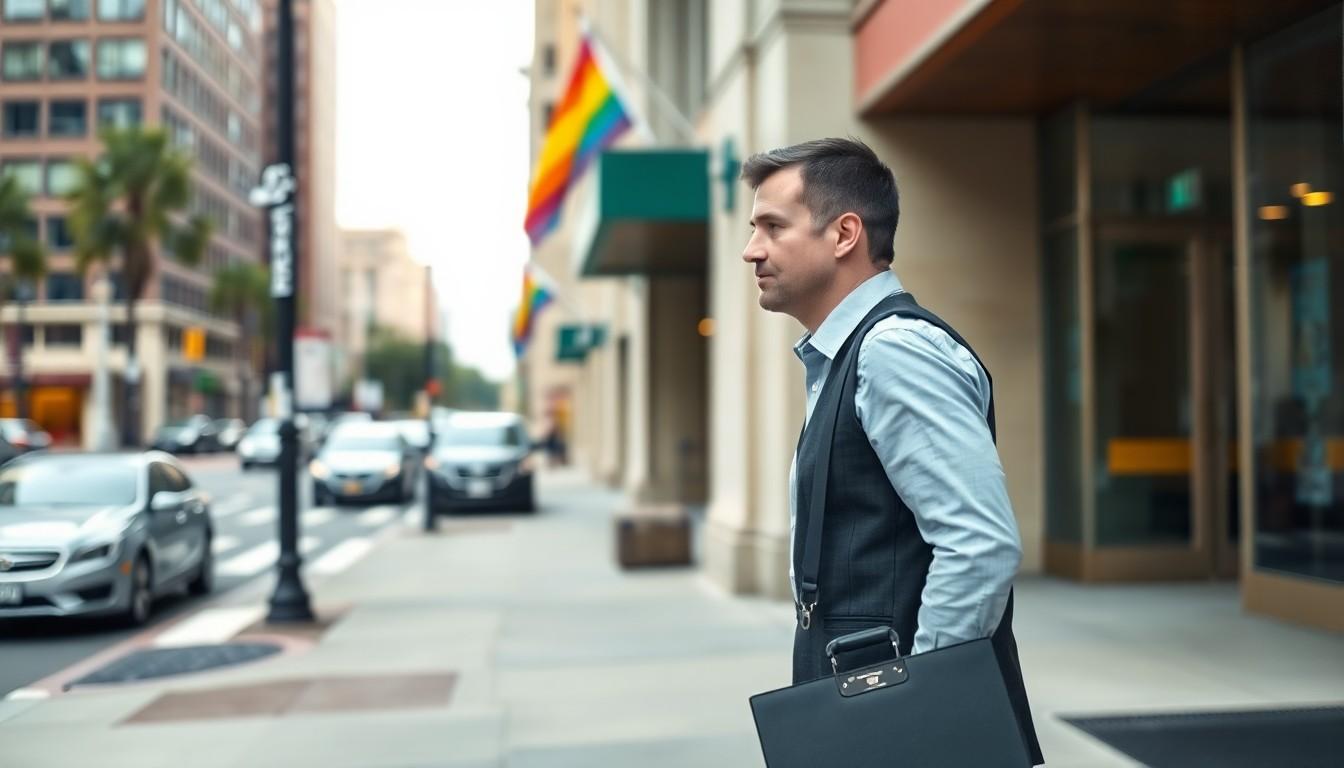
Transgender visibility has helped change minds and open doors, but a growing argument says equality should mean more than being seen. It should also give trans people the freedom to work, love, relax and make mistakes without constantly explaining their identity or serving as symbols for a wider cause.
Equality should make room for everyday life
The most powerful vision of transgender equality may not involve a stage, a campaign or a carefully told personal story. It might look more like walking the dog, answering emails, meeting a friend for coffee and deciding what to cook for dinner.
That ordinary rhythm matters because transgender people are often expected to be educators as well as citizens. The Human Rights Campaign has described visibility as an important tool for challenging stigma, particularly as more Americans report knowing someone who is transgender. But visibility can become a burden when people are treated as public lessons rather than complete human beings.
An ordinary life isn't a retreat from equality. It's one of its clearest results.
Visibility opened doors, but it can't be compulsory
For many LGBTQ+ people, being visible has meant pushing back against shame, silence and exclusion. Public stories have helped families understand transition, given younger people hope and made it harder to pretend transgender lives don't exist.
The Human Rights Campaign has also reported a record share of Americans saying they know a transgender person. That shift can create empathy through familiarity, but it shouldn't turn every transgender person into an unofficial spokesperson.
Some people want to share their experiences publicly, and their voices remain vital. Others would rather keep personal history private. Both choices deserve respect.
Privacy isn't the same as hiding
There is a useful distinction between secrecy imposed by fear and privacy chosen with confidence. Nobody is expected to introduce themselves by listing medical details, childhood experiences or every major change they've made.
That principle applies to transgender people, too. According to the Human Rights Campaign's resources on trans visibility, representation can help challenge harmful assumptions, but visibility is not a test of honesty. A person's identity doesn't become less real because they don't discuss it at work, on a date or with a stranger.
In practical terms, this means giving people room to decide when personal information is relevant. A colleague's performance, a neighbour's kindness or a friend's sense of humour shouldn't be treated as secondary to their gender history.
The next chapter is about being unremarkable
The public conversation often rewards the dramatic story: a difficult transition, a brave disclosure or a headline-making success. Those stories can be meaningful, but they can also suggest that transgender lives matter most when they carry a lesson.
A quieter version of progress is easier to miss. It's the transgender man who is judged on his work, the transgender woman whose weekend plans are more interesting to friends than her medical history, or the young person who grows up expecting adulthood to include both transition and wonderfully boring problems.
The Washington Blade has explored a similar tension between political identity and ordinary life. Rights still need defending, especially when policy debates make personal existence feel like a permanent public argument. But political urgency shouldn't erase the human wish to be complicated, imperfect and occasionally dull.
What supportive allies can do differently
The simplest form of support is often restraint. Don't ask intrusive questions about someone's body or past, and don't assume a transgender acquaintance wants to become your source of education.
Instead, listen when people choose to share, use the name and pronouns they've given you, and treat them as individuals rather than representatives. If a trans person makes a mistake, disagrees with you or has an awkward day, let them be human. Equal treatment includes the right not to be endlessly inspirational.
For younger transgender people, this wider picture matters. Visible role models can show that survival and success are possible, but so can the quieter example of an adult with a job, friends, bills, hobbies and a life that isn't organised around explaining gender.
Ordinary freedom may sound modest, but that's the point. It means a transgender person can enter a room without being reduced to a debate, and can decide for themselves which parts of their story deserve an audience.
It's a small-sounding promise with enormous emotional weight: equality should let people be fully themselves, including when they simply want to get on with life.
Source Reference Map
Story idea inspired by: [1]
Sources by paragraph: