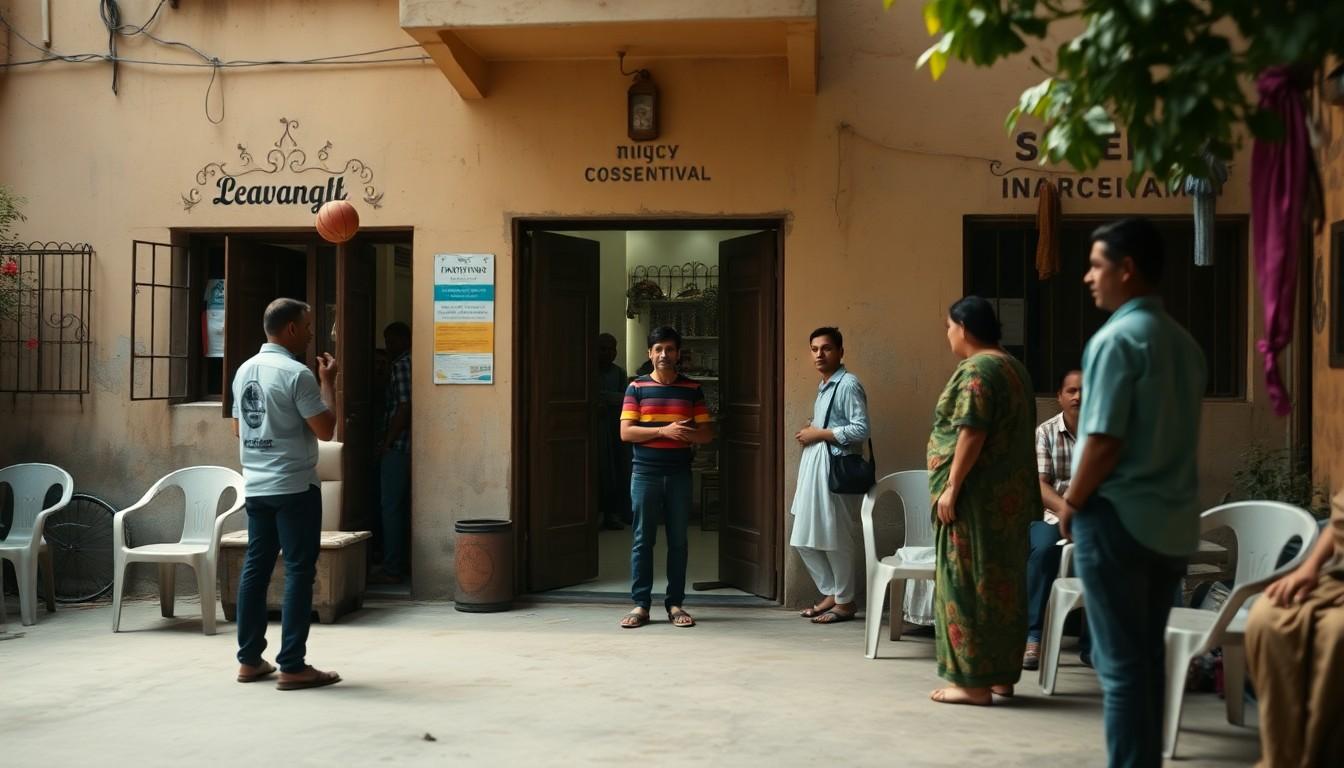
Audiences are debating a new Tamil film’s portrayal of gender, love and identity, but the argument reaches far beyond one release. It touches the Koovagam festival, long-standing cinematic stereotypes and the everyday realities faced by trans people. Here’s why this conversation feels uncomfortable, necessary and increasingly hard to ignore.
Essential Takeaways
- Representation remains limited: Indian cinema has often rendered trans characters invisible, comic or tragic rather than fully human.
- Koovagam offers vital context: The Tamil Nadu festival connects trans communities with the Aravan legend through marriage, ritual and mourning.
- Screen images shape public attitudes: Familiar stereotypes can make ridicule seem acceptable, while nuanced stories invite empathy.
- Reality is harsher than glamour: Poverty, violence, exclusion and limited work opportunities remain part of many trans people’s lives.
- Discomfort can be productive: A challenging film may create discussion, but representation still needs care, depth and dignity.
A film debate that reaches beyond the screen
The fiercest arguments around trans representation rarely stay confined to cinema. A character, scene or romance can quickly become a referendum on family, faith, masculinity and social change. That emotional charge helps explain why stories involving trans characters often provoke reactions far stronger than their screen time might suggest.
Indian cinema has a long record of reducing gender variance to a punchline, a disguise or a moment of shock. As Outlook has noted in its coverage of transgender identity and sexuality in Indian film, portrayals have frequently been shaped by spectacle rather than by the inner lives of trans people. That history matters when a new film attempts something more intimate.
The question isn't simply whether a character is present. It's whether the story allows that person desire, fear, humour, poverty, agency and ordinary tenderness. Without those details, visibility can still feel like another form of erasure.
Koovagam's ancient story offers modern resonance
In Tamil Nadu, the Koovagam festival provides a powerful cultural setting for conversations about gender and belonging. The event is associated with Aravan, a figure from the Mahabharata, and centres on a ritual marriage followed by mourning. Sahapedia's account of the festival describes how participants draw on this story to create a shared space of celebration, devotion and grief.
That combination is striking because it refuses a neat division between the sacred and the social. Identity isn't being discussed only in abstract political language; it's being lived through costume, ritual, music, touch and collective memory. For many participants, the festival is both joyful and painfully aware of loss.
This cultural context doesn't make every modern portrayal automatically authentic. But it does challenge the idea that gender diversity is a recent import or an unfamiliar break from tradition. In South India especially, the conversation has deep local roots.
Why old stereotypes still leave a mark
Cinema can normalise attitudes long before viewers consciously question them. When trans characters are repeatedly mocked, punished or treated as threats, audiences absorb a narrow lesson about whose dignity deserves protection. Articles in Outlook and Feminism in India have documented how trans people in Indian cinema have often been ignored, caricatured or pushed to the margins.
The problem isn't just bad taste. These images can influence how people respond to trans colleagues, neighbours and family members. A joke on screen may seem harmless in isolation, but a steady diet of ridicule makes cruelty feel familiar, even safe.
There has been movement in a better direction. Hindustan Times has highlighted newer Indian films and stories that approach transness with greater warmth and complexity. The shift is welcome, although it also raises the bar: audiences are increasingly able to spot the difference between genuine representation and a more polished stereotype.
What a more honest story should show
A trans character shouldn't have to be inspirational to deserve attention. Nor should a film hide the difficult realities of exclusion in order to appear progressive. The strongest stories can hold both truths at once: the pleasure of being seen and the exhausting cost of living in a society that still withholds safety.
That means looking beyond glamorous styling or a dramatic reveal. Who provides food? Who has secure housing? What happens at work, at home or on the street? A believable character needs a life outside the central romance, because trans people aren't symbols waiting to teach everyone else a lesson.
For viewers choosing films about trans identity, a useful test is simple: does the character have meaningful choices, or does the plot merely use them to transform another person? Does the story give them a voice, or does everyone else explain them? Those questions can reveal more than a marketing campaign ever will.
Empathy matters, but it isn't the whole answer
A film can open a door, but it can't do all the work. Real change also depends on housing, healthcare, education, employment and protection from violence. Cinema may soften a viewer's assumptions, yet empathy becomes meaningful only when it changes behaviour beyond the theatre.
There is also room for disagreement without abandoning basic humanity. Viewers may feel unsettled by a story that challenges their ideas about gender or intimacy. That reaction is worth examining, but discomfort shouldn't become an excuse for harassment or for denying trans people the right to appear in public culture.
The most useful outcome may be an untidy conversation rather than instant consensus. As criticism across Indian cultural and media writing suggests, representation is evolving because audiences, filmmakers and trans communities are pushing against older limits. It's a small but important sign of progress when a character is allowed to be loved, complicated and fully alive.
A better film can start a difficult conversation, but society has to keep listening.
Source Reference Map
Story idea inspired by: [1]
Sources by paragraph:
- Paragraph 1: [2], [4]
- Paragraph 2: [5], [7]
- Paragraph 3: [6], [7]
- Paragraph 4: [3], [4]
- Paragraph 5: [3], [6]
- Paragraph 6: [2], [5]
- Paragraph 7: [7], [6]
- Paragraph 8: [5], [7]
- Paragraph 9: [2], [4]
- Paragraph 10: [6], [7]
- Paragraph 11: [2], [5]
- Paragraph 12: [3], [4]
- Paragraph 13: [6], [7]
- Paragraph 14: [2], [4]