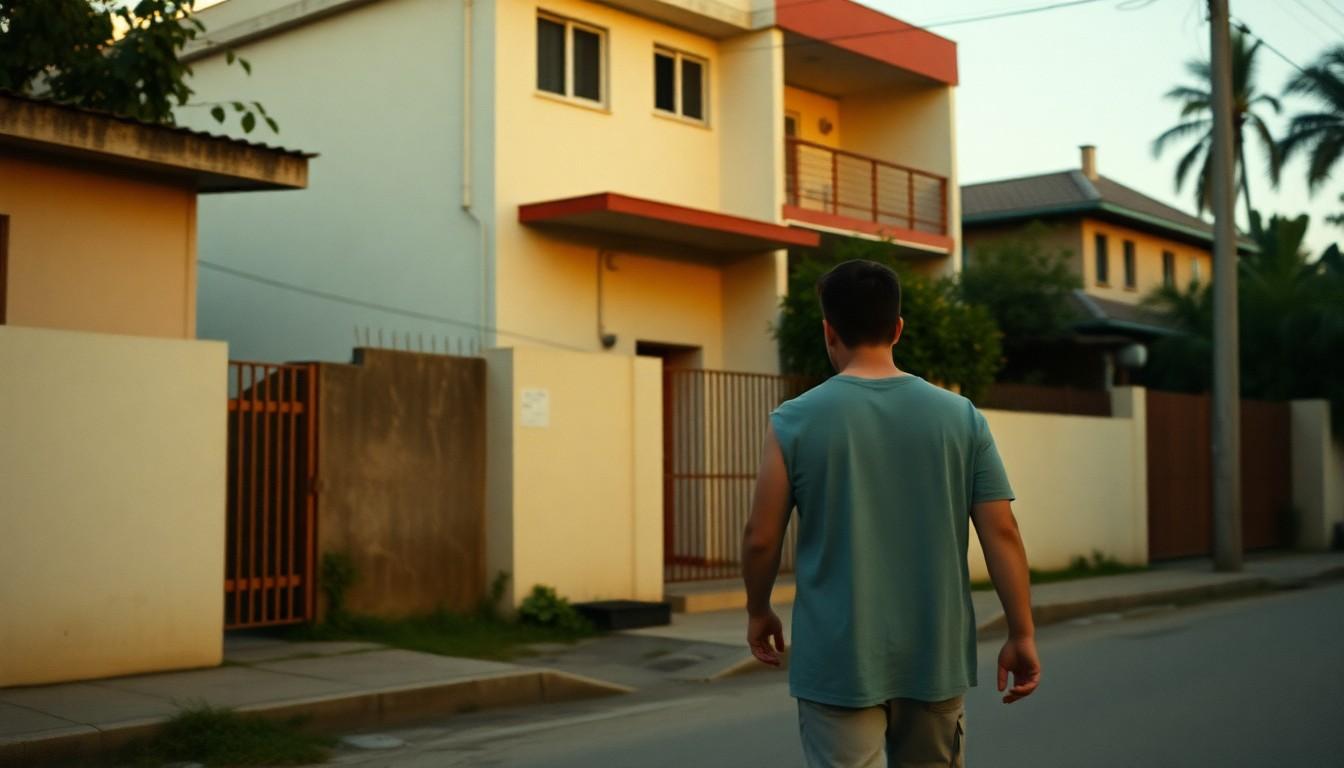
A personal reflection in Publimetro Colombia revisits the pain of being mocked for childhood games, clothes and mannerisms, showing how early bullying can shape identity, confidence and family life long after school ends.
Essential Takeaways
- Play isn't proof: Dolls, costumes, drawing and avoiding football say nothing about a child's sexual orientation.
- Bullying starts early: Teasing about gestures, voices, clothes or interests can teach children to distrust themselves.
- Poverty can deepen shame: Wearing repeated outfits or lacking fashionable trainers may create another target for ridicule.
- Concealment has a cost: Trying to imitate other boys can become a survival strategy that follows someone into adulthood.
- Adults carry responsibility: Schools and families must challenge the behaviour, not simply tell children to toughen up.
The games were innocent. The judgement wasn't
The most striking detail in this personal account is how ordinary the childhood memories are. Drawing characters, making puppets, building a miniature house for a French assignment and borrowing cousins' dolls all sound like the relaxed, imaginative business of being young.
The trouble began when other people treated those activities as evidence of something shameful. As the writer explains in Publimetro Colombia, everyday play became a way for classmates to police what they considered suitably masculine. The toys weren't the problem. The judgement was.
When teasing becomes a lesson in hiding
Long before he understood what being gay meant, the writer had already heard the insults aimed at boys who appeared different. His walk, voice, hand movements and interests were all scrutinised, while the word "marica" was imposed on him before he could define himself.
That kind of harassment doesn't stay neatly inside the school gates. It can teach a child to monitor every gesture before entering a classroom, group or conversation. Suddenly, self-expression feels less like freedom and more like a risk assessment.
The account also connects sexuality-based bullying with class shame. Repeated clothes and a lack of fashionable trainers offered classmates another reason to sneer. It is a bleak reminder that children can be judged for several things at once, especially when adults allow status and stereotypes to set the rules.
Why masking can follow someone into adulthood
To protect himself, the writer began copying other boys. He watched how they moved and spoke, trying to suppress anything that might attract attention. This sort of masking can be useful in the short term, but it often leaves people exhausted and unsure which parts of their behaviour are genuinely theirs.
The wider social climate made that fear heavier. Growing up when homosexuality was commonly linked in public discussion with HIV and AIDS, he says gay life was rarely presented as loving, ordinary or hopeful. For many people of his generation, coming out could also raise practical fears about family rejection, money and housing.
That context helps explain why identity journeys aren't always tidy. He had girlfriends and came close to marrying a woman, not because his earlier relationships can be dismissed as fake, but because heterosexuality was presented as the safe and expected route. Realising what you want can take time when society has already written the script.
Children don't need decoding. They need protection
One of the clearest messages here is that adults should stop searching for clues in children's behaviour. A boy who likes dolls isn't announcing a sexuality. A girl who plays football isn't making a declaration about gender or desire. A soft voice, artistic talent or particular mannerisms cannot provide a reliable answer either.
What those reactions can reveal, however, is the environment around the child. If classmates laugh at a boy's costume or a girl's sporting ability, they're learning that some forms of self-expression supposedly deserve less respect. That is how prejudice gets passed on, often through jokes adults wave away as harmless.
Telling bullied children to be stronger puts the burden in the wrong place. Families, teachers and other pupils need to challenge the person causing harm, the audience rewarding it and the culture making it seem normal. A safer classroom isn't created by teaching vulnerable children to disappear.
The adult work begins after the bullying stops
Leaving school doesn't automatically end the damage. The writer describes carrying fears of rejection, struggling with acceptance and sometimes making self-deprecating jokes before someone else could do it first. Therapy became part of unpicking those habits, rather than allowing old wounds to dictate new relationships.
The reflection ends with a compassionate image: an adult looking back at the child he was without trying to correct his hands, voice, games or way of moving through the world. That is more than nostalgia. It's an argument for replacing shame with care, and for giving children the protection many adults only find much later.
There is also a useful challenge for parents and teachers. Preparing a child for a difficult world should not mean training them to become cruel, hide their personality or strike first. The better preparation is a dependable adult who says, clearly and repeatedly, that dignity isn't conditional.
A child's identity may unfold slowly, quickly or in ways nobody else can predict. That uncertainty is normal. What should never be treated as normal is making a child believe there is something wrong with them for being imaginative, sensitive, poor, different or simply themselves.
It's a small sentence with a lasting power: nothing about that child needed correcting.
Source Reference Map
Story idea inspired by: [1]
Sources by paragraph: