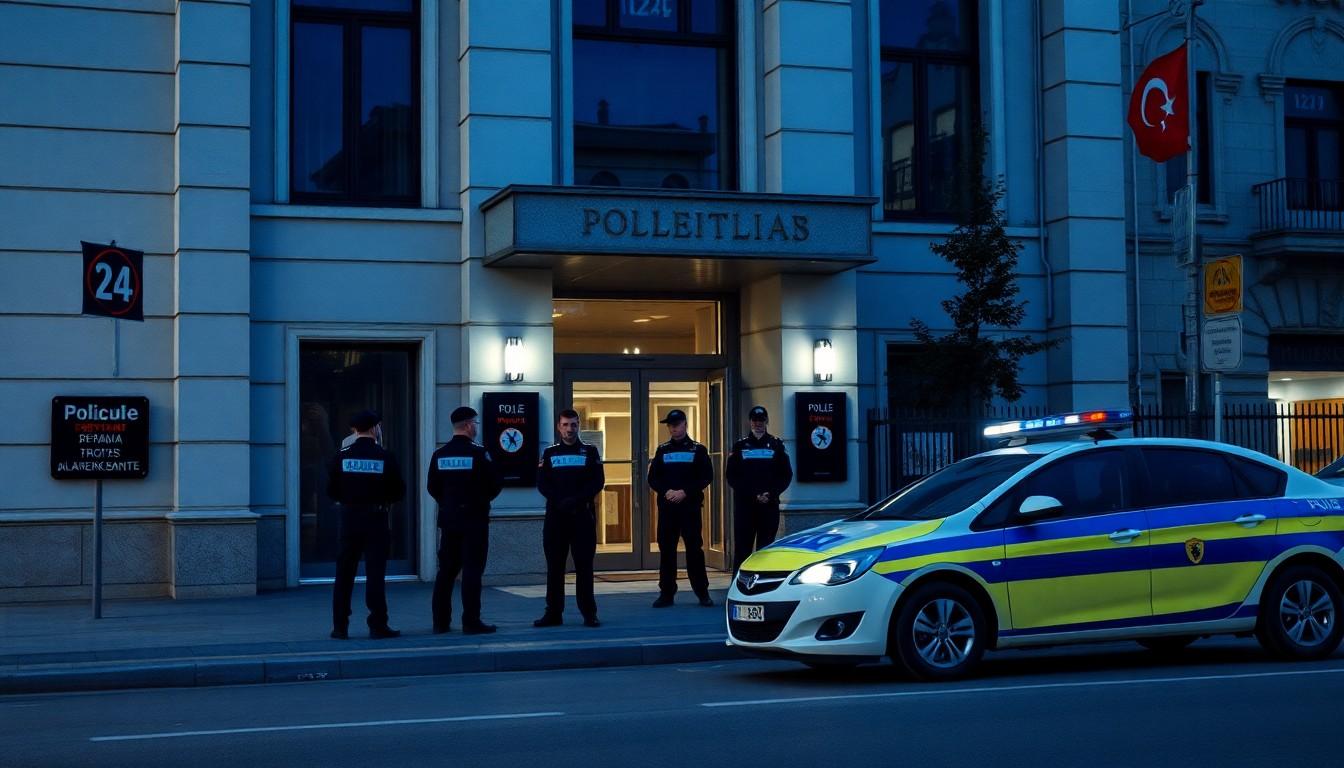
Travellers and LGBTQ people are facing a sharply more hostile climate in Turkey after a nationwide police operation targeted activists, organisations and venues. Reports from international and Turkish media suggest the campaign is widening, making it vital for visitors to understand the risks, local sensitivities and limits of consular protection.
Essential Takeaways
- A broad police operation: Authorities launched “My Family Is Safe” raids across several provinces, targeting LGBTQ groups and related support networks.
- Detentions and legal cases: Dozens of people were arrested, while organisations and businesses reportedly faced proceedings.
- Digital pressure is growing: LGBTQ-related websites and social-media accounts have been restricted or blocked.
- Visitors should be cautious: Public displays of affection, political posts and rainbow branding may attract unwanted attention.
- The wider picture matters: The crackdown follows years of pressure on Pride events, civil society and independent journalism.
Turkey’s LGBTQ crackdown is becoming harder to ignore
The most alarming detail isn’t simply the number of arrests. It’s the uncertainty. When people no longer know which meeting, post or venue might cross an invisible line, fear becomes part of everyday life.
The Los Angeles Times reported that Turkish authorities launched the operation in September 2026, with LGBTQ organisations and HIV-support groups among those affected. Turkish Minute and Bianet described the campaign as a sweeping action justified in the language of protecting families and social order.
That framing is familiar across the region, but the consequences are distinctly personal. A community centre can become a police target, a social-media account can disappear and an ordinary conversation can suddenly feel risky.
What happened during the “My Family Is Safe” operation?
The operation, known in Turkish as “Ailem Güvende”, involved police action in multiple provinces. According to the Associated Press, those detained included activists and at least one journalist, while legal proceedings were opened against organisations and companies.
Deutsche Welle reported that the campaign formed part of a broader escalation against LGBTQ rights and public visibility. That matters because it suggests this isn't an isolated sweep, but another step in a sustained effort to restrict organised community life.
For LGBTQ residents, the pressure is likely to be felt well beyond the headlines. Support groups often provide legal advice, health information and a safe place to meet. Remove those networks, and the impact reaches people who may never describe themselves as activists.
Why international attention has been limited
Turkey occupies an awkward position in international politics. It is a NATO member, a key actor around the Black Sea and Middle East, and a major partner in managing migration towards Europe. Those strategic relationships can make governments reluctant to confront Ankara publicly.
The result is a frustrating imbalance. A high-profile dispute involving international tourists may attract immediate coverage, while arrests affecting local LGBTQ people receive far less attention. The contrast is uncomfortable, particularly when those most exposed have the fewest ways to make themselves heard.
International media coverage from the Los Angeles Times, the Associated Press and Deutsche Welle has helped bring the crackdown into view. Still, attention tends to arrive in bursts, while the people affected have to live with the consequences long after the news cycle moves on.
What does the crackdown mean for LGBTQ travellers?
Turkey remains a popular destination, with lively cities, historic sites and famously welcoming hospitality. But visitor experience and political risk can exist side by side. A traveller may enjoy a warm meal in Istanbul and still need to think carefully about what appears on their phone.
For LGBTQ visitors, discreet behaviour is increasingly sensible. Avoid public displays of affection in unfamiliar areas, be cautious with rainbow clothing or accessories and review public social-media posts before travelling. It’s also wise to check current Foreign Office advice, confirm insurance cover and keep copies of important documents separately from your phone.
The biggest risk may not be a single dramatic encounter. It could be questioning at a venue, scrutiny of digital history or being caught near a protest. Travellers who plan to attend demonstrations should understand that police responses can be swift and heavy-handed.
A warning sign for civil society
The crackdown sits within a wider pattern involving restrictions on Pride marches, pressure on journalists and growing limits on dissent. Deutsche Welle’s reporting captured the anxiety among LGBTQ people who fear that conditions could deteriorate further.
That broader context is important for visitors who want to make ethical choices. A blanket boycott can sometimes damage the communities outsiders hope to support, especially where independent businesses and grassroots groups depend on tourism. But spending money, sharing information and travelling are choices that deserve a clear-eyed assessment of the government behind the destination.
Turkey’s LGBTQ community hasn’t vanished. Its venues, friendships and networks continue, often quietly. But when visibility itself becomes a potential liability, solidarity needs to be thoughtful rather than performative.
For now, the safest approach is informed, discreet and alert to changing advice.
Explore Turkey with care, context and respect for the people living through this moment.
Source Reference Map
Story idea inspired by: [1]
Sources by paragraph:
- Paragraph 1: [2], [3]
- Paragraph 2: [4], [5]
- Paragraph 3: [6], [7]
- Paragraph 4: [2], [3]
- Paragraph 5: [4], [5]
- Paragraph 6: [3], [6]
- Paragraph 7: [2], [4]
- Paragraph 8: [3], [5]
- Paragraph 9: [4], [7]
- Paragraph 10: [2], [3]
- Paragraph 11: [5], [6]
- Paragraph 12: [4], [7]
- Paragraph 13: [2], [3]
- Paragraph 14: [5], [6]