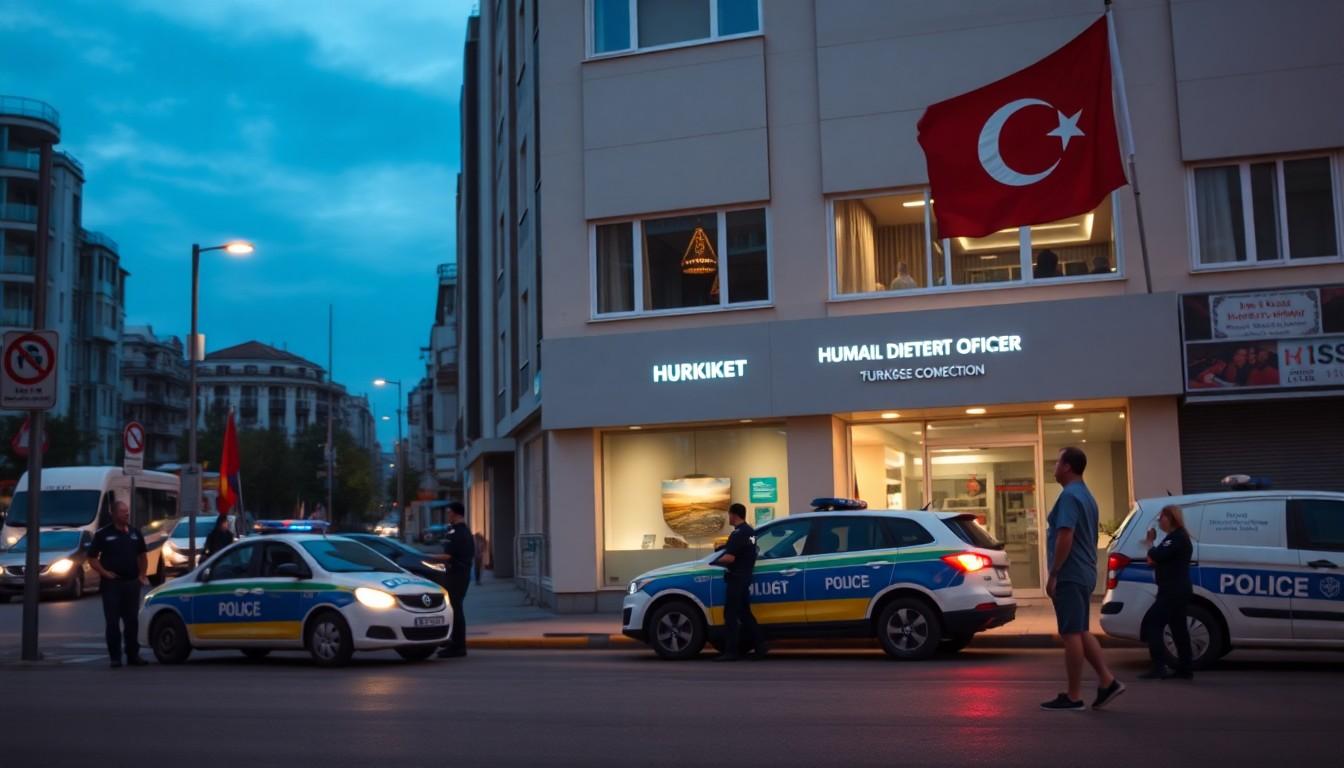
Authorities in Turkey have launched a sweeping crackdown on LGBTI+ groups, activists, journalists and health organisations, triggering concern from rights monitors at home and abroad. The arrests, online blocks and allegations of mistreatment are being framed by officials as family protection, but campaigners say the operation threatens privacy, healthcare and lawful expression.
Essential Takeaways
- 82 people detained: At least 82 people were placed in pre-trial detention, including rights defenders and activists.
- Widespread online restrictions: Hundreds of social media accounts, websites and organisational pages were blocked.
- Vague allegations: Prosecutors have relied heavily on obscenity, public-order and association-related offences.
- Healthcare is affected: Restrictions on medical and HIV-support groups could make reliable advice and treatment harder to access.
- Prison conditions remain a concern: Lawyers have reported overcrowding, missing medication and inadequate support for trans detainees.
A crackdown that moved from screens to prison cells
Turkey’s latest anti-LGBTI+ operation began with online restrictions before police raids spread across 15 provinces. Homes, offices and venues associated with queer communities were searched, while well-known organisations in Istanbul, Ankara, Izmir and Mersin found themselves under investigation.
According to Amnesty International, the campaign forms part of a wider deterioration in rights protections. Human rights organisations in Turkey have similarly warned that the scale of the operation goes far beyond individual criminal allegations, reaching into advocacy, journalism and private life.
By the middle of September, proceedings had been opened against 162 people, nine associations and 13 businesses. At least 116 people had been taken into custody, with 82 remanded in pre-trial detention, including many people involved in LGBTI+ rights work.
Why officials say the arrests were necessary
Authorities have linked the investigations to the government’s family and population policies, presenting them as measures designed to protect children, families and public order. Officials have also raised claims that LGBTI+ organisations influence children’s sexual orientation or gender identity, allegations campaigners strongly reject.
The Turkish Human Rights Association described the operation as an attack on basic freedoms rather than a neutral law-enforcement exercise. Gay Times reported that the campaign has drawn particular attention because it combines arrests with censorship, financial scrutiny and the targeting of community organisations.
A nationwide instruction to prosecutors later urged action against activities allegedly encouraging young people towards “genderlessness”. It also encouraged the preservation of digital evidence, online access restrictions and, in some cases, organised-crime and financial-investigation techniques.
How Turkey’s obscenity law is being used
One of the most troubling elements is the use of Turkey’s broad obscenity provisions against LGBTI+ advocacy. The law does not clearly define obscenity, creating room for ordinary reporting, education and representation to be reclassified as criminal material.
Evidence reportedly cited in cases included news content and images of fictional couples kissing. That raises an uncomfortable question: when a law designed to shield children from harmful material has no clear boundary, who decides whether a piece of journalism or a piece of popular culture has crossed it?
The Washington Post reported that the crackdown has also touched organisations supporting people living with HIV. Restrictions on medical and psychiatric groups could cut people off from trusted information, testing advice and treatment support, especially in a country where stigma already makes healthcare difficult to navigate.
Private messages and journalism caught in the net
Lawyers in Izmir said police accessed phones, searched private material and placed messages and photographs in case files. They also questioned the use of online patrols to monitor social media, a practice that has previously faced legal criticism.
The consequences have reached beyond activists. Journalist Tuğba Tekerek was detained over an interview published by Kaos GL, while independent outlet T24 later faced the blocking of its website and social media accounts over material described as LGBTI+ propaganda.
The Los Angeles Times reported that the operation also affected HIV-support groups, underlining how quickly a political campaign can spill into public health. For readers trying to follow events, blocked pages and disappearing posts make independent reporting harder to find, verify and share.
Prison conditions raise fresh alarm
The allegations don't stop at arrest. Lawyers have reported overcrowded detention facilities, limited access to hormone medication and problems obtaining basic clothing and personal items. In Mersin, they said 18 LGBTI+ detainees were being held in a facility designed for eight people, with some sleeping on the floor.
Trans detainees face additional difficulties in a prison system built around rigid gender assumptions. Accounts from imprisoned activists describe isolation, limited family contact and a lack of practical support, while lawyers have raised concerns about medical examinations and alleged pressure surrounding statements about mistreatment.
Rights groups including Amnesty International and the Turkish Human Rights Association have called for scrutiny of the arrests and detention conditions. The broader concern is simple but serious: even when authorities invoke family protection, legal safeguards still need to apply to everyone.
The operation has left families and supporters organising letters, legal visits and demonstrations outside courthouses. That human response matters, because behind the official language are people trying to keep contact with partners, children, friends and chosen families.
It's a small distinction in wording, but a huge one in practice: protecting families should never mean dismantling the rights of the people in them.
Source Reference Map
Story idea inspired by: [1]
Sources by paragraph:
- Paragraph 1: [2], [5]
- Paragraph 2: [3], [4]
- Paragraph 3: [2], [6]
- Paragraph 4: [5], [7]
- Paragraph 5: [2], [3]
- Paragraph 6: [5], [7]
- Paragraph 7: [6], [7]
- Paragraph 8: [2], [4]
- Paragraph 9: [3], [7]
- Paragraph 10: [2], [6]
- Paragraph 11: [4], [5]
- Paragraph 12: [2], [3]
- Paragraph 13: [6], [7]
- Paragraph 14: [2], [4]