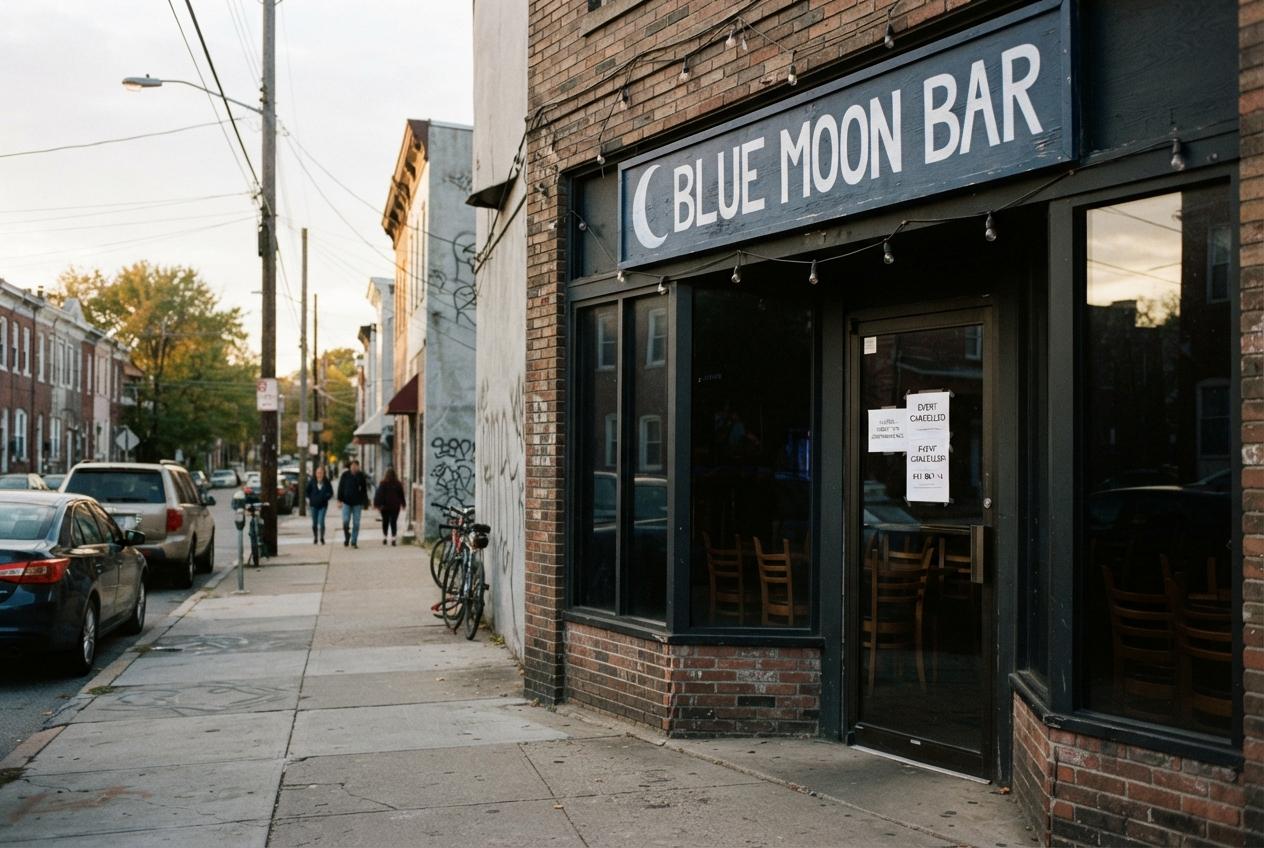
A Pittsburgh queer bar has cancelled an Open Stage event after a drag performance that appeared to involve blackface sparked anger, apologies and death threats. The incident has reignited difficult conversations about racism in LGBTQ+ nightlife, the responsibility of venues and hosts, and how supposedly well-intentioned performances can still cause serious harm.
Essential Takeaways
- Event cancelled: Blue Moon Bar called off an Open Stage after receiving threats against the business.
- Performance criticised: Photos appeared to show a performer wearing black makeup during a 23 September drag set.
- Apologies issued: The venue, event hosts and performer all acknowledged the harm caused.
- Accountability questioned: Black LGBTQ+ advocates said the performance should have been stopped immediately.
- Rules promised: Blue Moon said it would tighten performer screening and reinforce its ban on racially offensive acts.
Pittsburgh venue cancels show after threats
The strongest reaction came not from the stage, but from the sudden silence that followed. Blue Moon Bar, a queer venue in Pittsburgh's Lawrenceville neighbourhood, cancelled its 30 September Open Stage after saying it had received too many death threats for staff to feel safe hosting the event, according to WPXI.
The decision came days after photographs from the venue's 23 September event spread online. They appeared to show a drag performer wearing dark makeup as part of a character portrayal, prompting widespread criticism from Black and LGBTQ+ communities. The controversy has put a popular local night under an uncomfortable spotlight, with the bar hoping to resume the event the following week.
Threats against a business are serious and should never be treated as a legitimate form of protest. But the cancellation also underlines how quickly a venue's sense of safety can unravel when an offensive performance is allowed to happen in the first place. (Sources: WPXI and CBS News Pittsburgh.) [4], [7]
What happened during the drag performance?
Blue Moon's weekly Open Stage has reportedly run for 14 years, offering performers an informal platform to try new material. On this occasion, management said it wasn't present, and two guest hosts who don't usually oversee the event were in charge, according to Hoodline.
The venue said it didn't learn about the performance until almost a week later, when images began circulating. In its apology, Blue Moon said it had been blindsided, while also accepting responsibility for what took place on its premises. That distinction matters: lack of intent may explain how an incident happened, but it doesn't erase its effect.
The bar later shared a sign from its performer preparation area banning performances based on race, ethnicity or nationality when the depiction isn't connected to the performer's own identity. It also promised clearer guidance and stronger checks before acts take the stage. (Sources: Hoodline and LGBTQ Nation.) [2], [3]
Black LGBTQ+ advocates demand more than an apology
For local Black LGBTQ+ organisers, the central question wasn't simply why the performer made the choice. It was why the act continued without anyone stopping it. Ciora Thomas, founder and executive director of SisTers PGH, told QBurgh that the performance should have been halted as soon as it began.
Thomas described the incident as part of a broader pattern of discrimination against Black people within LGBTQ+ spaces. Her criticism goes beyond a single costume or makeup decision, pointing instead to the systems around a show: who is briefed, who is watching, who feels empowered to intervene and whether audiences are taken seriously when they raise concerns.
Local activist Chauntey MoNique also criticised the performance, alleging that the makeup was intended to portray Hexxus from the animated film FernGully: The Last Rainforest. Whatever the character reference, the reaction shows why a recognisable fictional role isn't a shield against the history and meaning attached to blackface. (Sources: QBurgh and WPXI.) [5], [6]
Hosts and performer acknowledge the harm
The two guest hosts apologised as well. Brayden Butter said they and co-host Catty Wampus had failed to make a quick decision, while Wampus wrote that the performance should have been stopped at first sight. Butter also said they would take a long break from co-hosting, citing the responsibility and fast judgement the role requires.
The performer issued an apology dated 28 September, saying an attempt at accuracy in cosplay had caused serious harm and stressing that intent doesn't outweigh impact. That's a useful principle for performers and venues alike, particularly in live settings where a split-second intervention can prevent an entire room from normalising something offensive.
The apologies are important, but they aren't the finish line. For audiences, meaningful accountability will be easier to judge through visible changes: proper host training, a clear complaints process and an atmosphere where someone can stop the music without hesitation. (Sources: LGBTQ Nation and QBurgh.) [2], [5]
Why this matters across LGBTQ+ nightlife
This isn't the first time a queer nightlife venue has faced backlash over racist drag material. Similar disputes have led clubs to apologise in recent years, showing that inclusion can't be reduced to a rainbow sign above the door or a diverse bill of performers.
A practical lesson for venues is to brief every host, including stand-ins, before the show begins. Written rules should be specific, performers should know where the line is, and staff should have the confidence to pause an act immediately. For audiences, it also helps to report concerns through the venue's formal channels, while remembering that online threats create further danger rather than accountability.
Blue Moon says it plans to improve screening and make its position clearer. The real test will come when the next performer crosses a line, because policy only matters when someone is prepared to enforce it in the moment. (Sources: CBS News Pittsburgh and WPXI.) [7], [4]
It's a painful reminder that queer spaces must challenge racism as firmly as they challenge other forms of exclusion.
Source Reference Map
Story idea inspired by: [1]
Sources by paragraph: