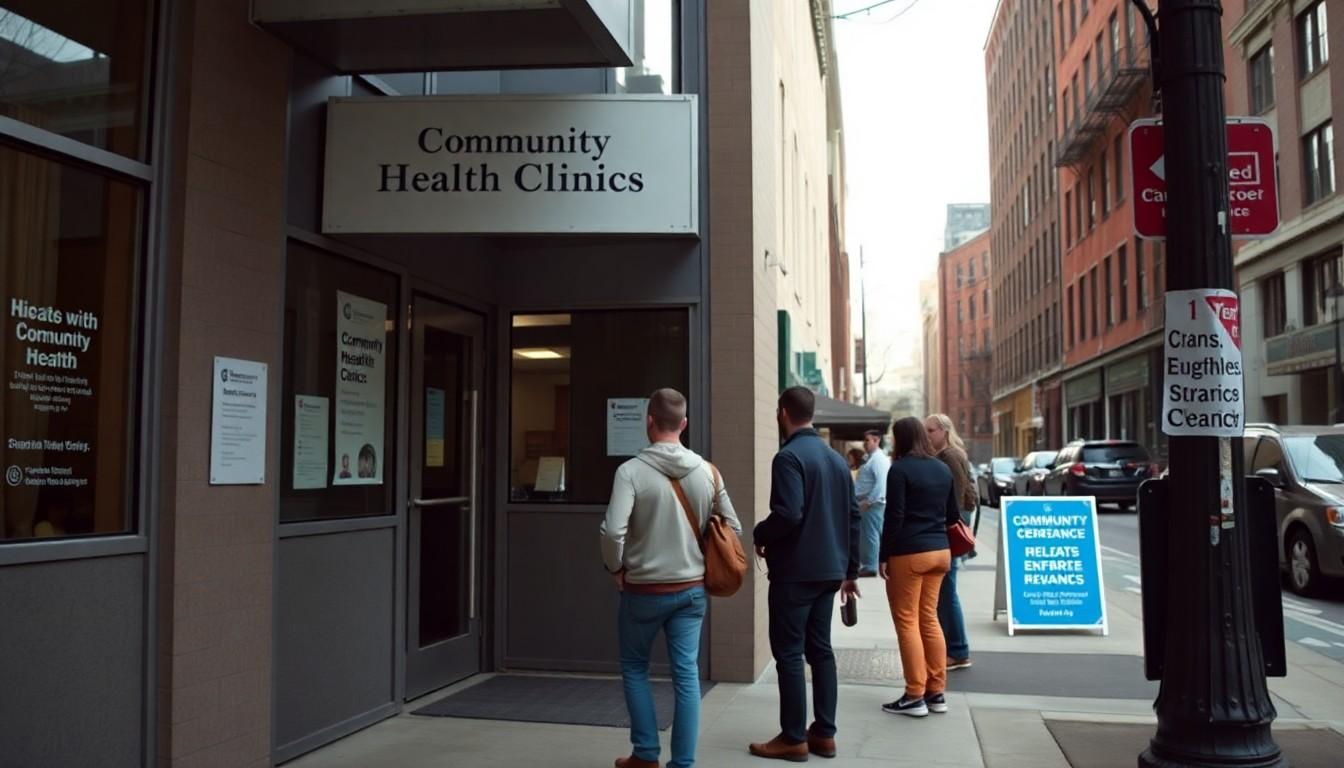
New York City councillors are urging the state to make gender-affirming care easier to find and access, particularly for LGBTQI+ young people. The push comes as families face political pressure, uneven services and long waits, with advocates arguing that timely, affirming healthcare can play a meaningful role in protecting mental health.
Essential Takeaways
- City committees are calling for action: Three New York City Council committees want the state and governor to improve access to gender-affirming care.
- Mental health is central: Supporters link affirming healthcare with better outcomes for transgender and non-binary people.
- Access remains uneven: Advocates say services can be difficult to locate, especially outside established community networks.
- Young people face added pressure: Reduced social support and political hostility can worsen already serious mental health risks.
- The proposed response is practical: A planned resource created by the city health department could help people navigate LGBTQI+-specific care.
New York City puts access on the agenda
The strongest message from the council hearing was simple: care isn't useful if people can't reach it. On 23 September, the Committees on Hospitals, Mental Health and Substance Use, and Women and Gender Equity met jointly to discuss gender-affirming healthcare and its impact on transgender and non-binary young people.
The hearing took place against a tense national backdrop. Political debate around trans healthcare has become increasingly hostile, while families and patients are still trying to find clinicians, information and support. Reporting from NPR and CNN described the initiative as part of a wider effort to protect and expand access in New York.
Councillor Tiffany Cabán, who chairs the mental health committee, said transgender and non-binary New Yorkers were facing intimidation and reduced support. Her argument was that healthcare policy must deal with the real-world consequences of that pressure, rather than treating access as an abstract political issue.
Why mental health sits at the centre of the debate
Supporters of gender-affirming care point to research linking access with improved mental health outcomes. At the hearing, Cabán cited figures suggesting that gender-affirming interventions were associated with substantially lower odds of depression and suicidal thoughts among young people.
Those figures don't mean every patient will have the same experience, or that healthcare is a single answer to complex distress. But they do explain why advocates describe access as a public health issue, not merely a question of personal identity or political messaging. The New York Times and the Guardian both placed the council's proposal within that broader argument over youth wellbeing and healthcare rights.
For parents and young people, the difference can feel painfully practical. A service that is several hours away, has a long waiting list or isn't clearly advertised may be effectively unavailable, even when it exists on paper.
Information gaps are making the system harder to navigate
Andy Bowen of the Queer Budget Center told the hearing that care should be available across different age groups and regions. Their point reflects a familiar problem in healthcare: people often learn where to go through friends, support groups or online communities, leaving those without those connections at a disadvantage.
That informal system can be warm and resourceful, but it isn't a reliable substitute for clear public information. A proposed bill would require New York City's Department of Health and Mental Hygiene to create resources explaining the healthcare needs of LGBTQI+ people, potentially giving patients a more straightforward starting point.
Reuters reported on the proposal as part of a wider policy dispute over access to gender-affirming care in the United States. A central test will be whether any new guidance is easy to understand, regularly updated and useful beyond the city's established LGBTQI+ networks.
Young people are carrying the heaviest burden
The hearing also highlighted the relationship between social support and mental health. Young transgender and non-binary people can face family conflict, isolation, hostile public debate and difficulty finding appropriate healthcare, all at a stage when support matters enormously.
Filament Kind, speaking for the New York Transgender Advocacy Group, described experiencing severe mental health struggles before accessing the care they felt they needed. Their testimony brought an important human dimension to the policy discussion: behind every waiting list or referral pathway is someone trying to feel safer in their own life.
The BBC has reported extensively on the political and healthcare tensions surrounding trans rights in the US. Whatever happens next in Albany, the local debate is unlikely to disappear. Demand for clear, trustworthy information will remain, particularly for families trying to separate medical guidance from loud political claims.
What meaningful progress would look like
The proposed resource is only one part of the picture. Better access would also mean more geographically spread services, clinicians trained in LGBTQI+-specific care and referral routes that don't depend on insider knowledge.
It would be sensible for any state response to include plain-language guidance, privacy protections and information for parents and carers. People also need to know what a service offers, who provides it and how long they may have to wait, rather than being left to piece together a pathway from scattered online posts.
The council's intervention won't settle America's wider culture war, and it shouldn't have to. Its more immediate value is shifting attention back to whether people can obtain appropriate care when they need it. That is a quieter question than the political shouting, but arguably the one that matters most.
It's a small policy step with the potential to make a very confusing healthcare journey easier to navigate.
Source Reference Map
Story idea inspired by: [1]
Sources by paragraph:
- Paragraph 1: [2], [3]
- Paragraph 2: [4], [6]
- Paragraph 3: [2], [7]
- Paragraph 4: [3], [4]
- Paragraph 5: [6], [7]
- Paragraph 6: [2], [5]
- Paragraph 7: [3], [6]
- Paragraph 8: [4], [5]
- Paragraph 9: [7], [5]
- Paragraph 10: [2], [6]
- Paragraph 11: [3], [4]
- Paragraph 12: [5], [7]
- Paragraph 13: [2], [3]
- Paragraph 14: [4], [6]
- Paragraph 15: [5], [7]
- Paragraph 16: [2], [3]