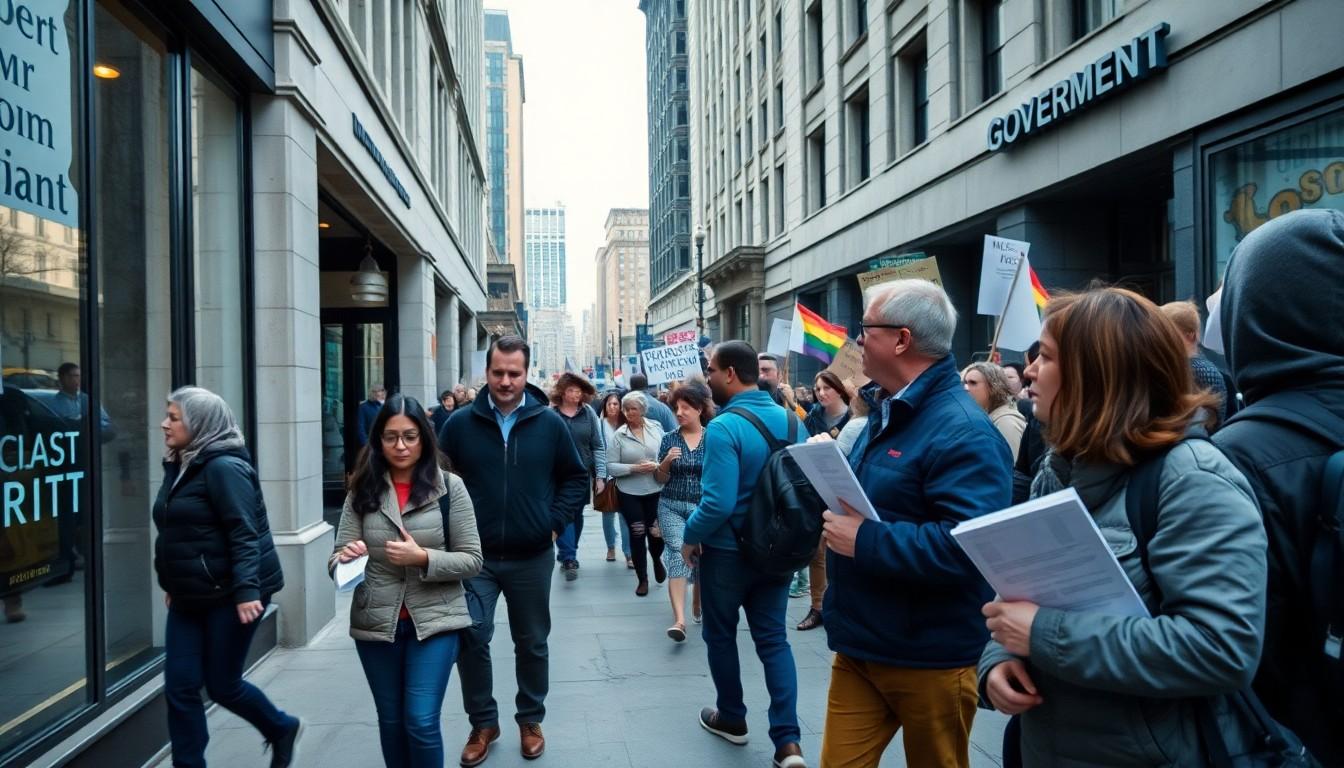
A planned Christian rally in Minneapolis has put inflammatory language about LGBTQ+ people, Muslims and “Minnesota nice” back in the spotlight. The controversy centres on claims made by activist Sean Feucht ahead of an October worship event, raising questions about misinformation, religious rhetoric and the real-world cost of framing empathy as a threat.
Essential Takeaways
- Inflammatory language: Sean Feucht accused Minnesota of being captured by “toxic empathy” towards LGBTQ+ people, Muslims and other communities.
- Rally planned: Feucht and former NFL player Jack Brewer promoted an October “Minneapolis Miracle” worship event.
- False claim challenged: Minneapolis doesn't allow mosque prayers to be broadcast across the entire city at any hour.
- Phrase has a political history: Conservative commentator Allie Beth Stuckey helped popularise “toxic empathy” through her 2024 book.
- Wider concern: Critics say this rhetoric can turn ordinary compassion into something suspicious or dangerous.
A rally, a familiar slogan and a sharper tone
The controversy began with a promotional conversation about the planned Minneapolis rally, where Feucht and Brewer discussed repentance, religious influence and what they described as a city that had lost its way. According to LGBTQ Nation, Feucht said Minnesota had been “hijacked with toxic empathy” towards LGBTQ+ people, Muslims and other groups.
That framing matters because “Minnesota nice” usually suggests friendliness, courtesy and a neighbourly instinct to help. Here, however, the phrase was recast as a weakness that others had supposedly exploited. It's a striking reversal: qualities most people would regard as social glue are presented as liabilities.
Brewer also argued that people had distorted the meaning of love to make room for what he called sin. The result is less a discussion about individual beliefs than a broad accusation aimed at entire communities.
What does “toxic empathy” actually mean?
The phrase gained wider attention through Allie Beth Stuckey's 2024 book, Toxic Empathy: How Progressives Exploit Christian Compassion. Listings from Google Books and Google Play describe the work as an argument that compassion can be used to pressure Christians into accepting progressive positions.
A review published by RealClearBooks similarly presents the book as a critique of what it sees as compassion detached from moral boundaries. That is a legitimate subject for debate in religious and political life, but the language becomes more troubling when it is used to describe LGBTQ+ people or Muslims as groups that have collectively taken advantage of kindness.
Stuckey has previously attacked discussions of trans children and gender identity in highly charged terms, according to reporting and commentary about her work. In that context, “toxic empathy” isn't a neutral phrase. For many readers, it carries an unmistakable political message: be wary of compassion when it benefits people considered socially or morally unacceptable.
The mosque claim doesn't withstand scrutiny
Feucht also claimed that Minneapolis was the first major American city to allow the Muslim call to prayer to be broadcast across the city at any time. That assertion is false.
As LGBTQ Nation reported, no mosque has the ability to project prayers citywide, and Minneapolis has noise rules that place limits on amplified sound, particularly during overnight hours. A local place of worship may use outdoor speakers under certain conditions, but that is very different from a citywide broadcast without restrictions.
This distinction may sound technical, yet it matters. Claims about religious sound travelling across an entire city can quickly create an impression of takeover, even when the underlying facts don't support it. In a politically heated setting, a small factual error can do a great deal of emotional work.
Why the rhetoric is landing now
Feucht has built a public profile around confrontational Christian activism. He became prominent during protests against COVID-19 church restrictions and has since made repeated attacks on LGBTQ+ rights, Pride symbols, Disney and gender-affirming healthcare, according to LGBTQ Nation.
The language is designed to provoke a strong reaction. Describing Pride as demonic, LGBTQ+ people as a cult or gender-affirming care as the mutilation of children turns complex subjects into moral emergencies. It also leaves little room for the ordinary reality of queer families, young people and adults simply trying to live safely.
That approach reflects a broader trend in political Christianity, where empathy is increasingly treated as a battleground. Books and interviews associated with the “toxic empathy” argument present compassion as something that can be manipulated, rather than as a value that requires care and judgement. The concern, of course, is that suspicion can become a shortcut to exclusion.
What attendees and locals should keep in mind
People attending the Minneapolis event, or following the debate from elsewhere, should separate the rally's religious message from its factual claims. A worship gathering can be meaningful to its participants, but that doesn't give its speakers a free pass on statements about local laws, religious communities or LGBTQ+ people.
It's also worth watching the language used around supposedly vulnerable groups. Generalisations about Muslims, LGBTQ+ residents or “the church” flatten very different communities into convenient villains. They may generate attention online, but they don't explain how people actually live together in a diverse city.
The broader question is uncomfortable but useful: when does concern about compassion become an excuse to withhold it? For many Minnesotans, the answer will depend less on a rally slogan than on whether public debate can make room for accuracy, dignity and disagreement at the same time.
Empathy shouldn't mean abandoning critical thinking, but neither should scepticism become a licence for contempt.
Source Reference Map
Story idea inspired by: [1]
Sources by paragraph:
- Paragraph 1: [2], [3]
- Paragraph 2: [2], [4]
- Paragraph 3: [2], [5]
- Paragraph 4: [3], [6]
- Paragraph 5: [2], [7]
- Paragraph 6: [2], [4]
- Paragraph 7: [2], [6]
- Paragraph 8: [2], [7]
- Paragraph 9: [3], [6]
- Paragraph 10: [2], [4]
- Paragraph 11: [2], [7]
- Paragraph 12: [2], [3]
- Paragraph 13: [2], [6]
- Paragraph 14: [2], [7]
- Paragraph 15: [3], [4]
- Paragraph 16: [2], [6]
- Paragraph 17: [2], [7]
- Paragraph 18: [3], [6]
- Paragraph 19: [2], [4]
- Paragraph 20: [2], [7]
- Paragraph 21: [3], [6]
- Paragraph 22: [2], [4]