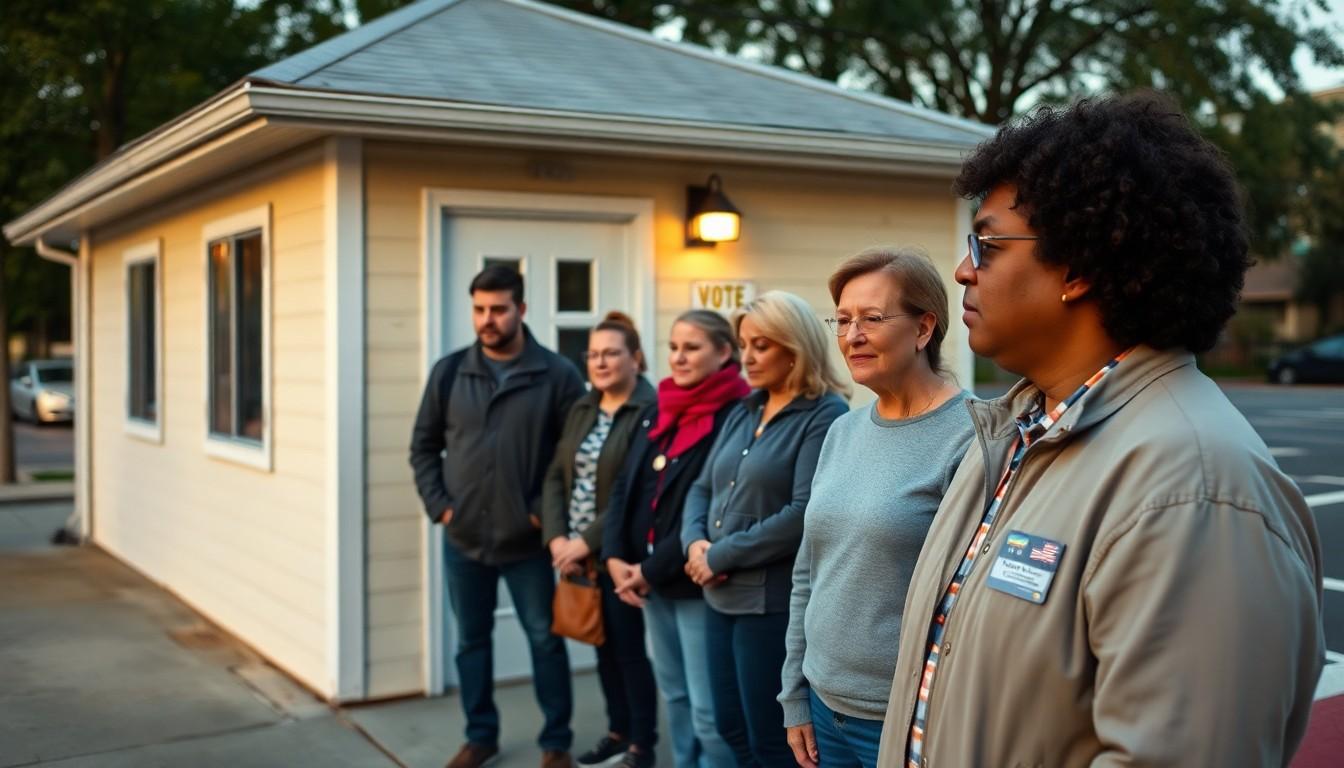
LGBTQ+ voters and allies are showing striking determination ahead of America’s 2026 midterm elections, despite political fatigue and growing concerns over trans voter ID rules. From checking registration to voting with trusted friends, practical preparation could help turn anxiety into action.
Essential Takeaways
- Motivation is high: HRC research found 92% of registered LGBTQ+ voters said they definitely planned to vote.
- Trans voters face extra hurdles: ID rules and changing state policies can create confusion at polling stations.
- Preparation matters: Check registration, confirm local ID requirements and make a voting plan early.
- Allies can help: Going to the polls in groups may offer practical support and reassurance.
- The choices aren't simple: LGBTQ+ voters may feel disappointed by candidates, but civic engagement extends beyond one election.
LGBTQ+ voters are refusing to sit this one out
The most striking feature of this election cycle isn't political exhaustion. It's the refusal to let exhaustion have the final word. Across LGBTQ+ organising networks, voters and volunteers are reportedly pushing ahead with registration drives, information campaigns and plans to show up on election day.
Research from the Human Rights Campaign found that 92% of registered LGBTQ+ voters said they definitely intended to vote in the midterms, compared with 68% of non-LGBTQ+ voters. The same research also found higher levels of activity around petitions, donations, contacting elected officials and sharing political information. According to HRC, the community is not simply watching politics unfold. It's taking part. [2]
That energy is particularly notable after years of hostile rhetoric and policy battles. For many voters, the ballot box feels less like an abstract civic ritual and more like a direct response to what they're seeing in schools, workplaces and local communities.
Why trans voters need a plan before election day
For trans voters, turning up can involve more than remembering where the polling station is. A mismatch between a voter's appearance, name or gender marker and the details on their identification can invite unwanted questions, delays or, in the worst cases, intimidation.
Research from the Williams Institute has highlighted the scale of the problem, with trans voters in states with strict identification rules facing a heightened risk of complications at the polls. The issue is especially acute where lawmakers have restricted changes to identity documents, leaving some people with paperwork that doesn't accurately reflect who they are. [4]
Kansas has become a particularly visible example. Reporting from Axios described how a state law invalidated certain identity documents held by trans residents, creating uncertainty around driving licences and official records. It showed how quickly a change in policy can become a practical headache, especially when election deadlines are close. [6]
The useful lesson is simple: don't leave the paperwork until the last minute. Check your registration, look up your state's current requirements and keep any required documents together in a safe, accessible place.
What to do if a poll worker challenges you
Rules differ by state, so voters should rely on their local election office or a reputable voter assistance organisation rather than social media hearsay. If you're unsure whether your documents are acceptable, confirm the position before election day and make a backup plan.
It can also help to vote with someone you trust. A friend, relative or local group may be able to provide transport, wait with you and help you stay calm if a conversation at the polling station becomes uncomfortable. That support isn't dramatic, but it can make a busy, tense environment feel far more manageable.
Voter protection groups can also explain options such as provisional ballots and what to do if you're challenged. The key is not to assume that a confusing exchange means your voting rights have disappeared. Ask for a supervisor, request clear information and document what happened if you believe you've been treated improperly.
The political choices can feel deeply frustrating
High turnout doesn't mean every LGBTQ+ voter feels enthusiastic about the candidates on offer. Some are angry with Democrats over compromises on trans rights, while others see Republican policies as an immediate threat to their families and communities.
That tension is visible beyond national advocacy groups. Reporting from WVXU found that LGBTQ+ Ohioans were weighing both policy concerns and frustration with Democratic positions as they considered the 2026 contests. In close races, disappointment with candidates can become a genuine factor in whether people vote, campaign or stay home. [5]
Still, the wider voting picture is shaped by more than one issue. Pew Research Centre's analysis of midterm preferences shows how age, race, ethnicity and other demographic factors influence political choices, reminding us that LGBTQ+ voters aren't a single-minded bloc. Their priorities can overlap, but they don't all point in the same direction. [7]
That complexity matters. People can vote strategically, protest through their choice, support a local candidate or decide that no option fully represents them. The important point is that participation doesn't end with election day. Whoever wins will still need watching, challenging and organising afterwards.
Small preparations can make voting feel less daunting
Start with the basics. Confirm your registration, note the voting dates in your area and check whether early voting or postal voting is available. If you need identification, find out exactly which forms are accepted, rather than relying on assumptions based on another state.
Next, make the day concrete. Decide how you'll travel, who you'll contact if something goes wrong and whether you want company. A written checklist can sound almost comically ordinary, but when the news is loud and the rules are shifting, ordinary preparation is useful.
LGBT Equality PAC's voter information resources underline the importance of LGBTQ+ civic participation and representation. The broader message is worth keeping in mind: elections aren't only about choosing leaders, but also about ensuring communities have a say in the decisions that affect them. [3]
For voters feeling overwhelmed, the goal doesn't have to be heroic. It can simply be one practical action today, followed by another tomorrow. That's how determination becomes turnout.
The outlook is anxious, but far from hopeless
The 2026 midterms are likely to test both the resilience and the organisation of LGBTQ+ communities. Legal uncertainty may make voting harder for some trans people, while political disappointment could dampen enthusiasm in closely fought districts.
But the evidence points to a community that remains unusually engaged. High stated motivation, active grassroots networks and a growing emphasis on practical voter support all suggest that fear hasn't erased political agency. If anything, it has sharpened the sense that sitting out carries its own risks.
There is no perfect script for this election, and no requirement to pretend that every candidate deserves unqualified support. But showing up creates room for influence, accountability and future organising. Sometimes hope is less a feeling than a calendar reminder, a checked registration and a plan to get to the polls.
Make your voting plan early, check the rules locally and take someone with you if that helps.
Source Reference Map
Story idea inspired by: [1]
Sources by paragraph: