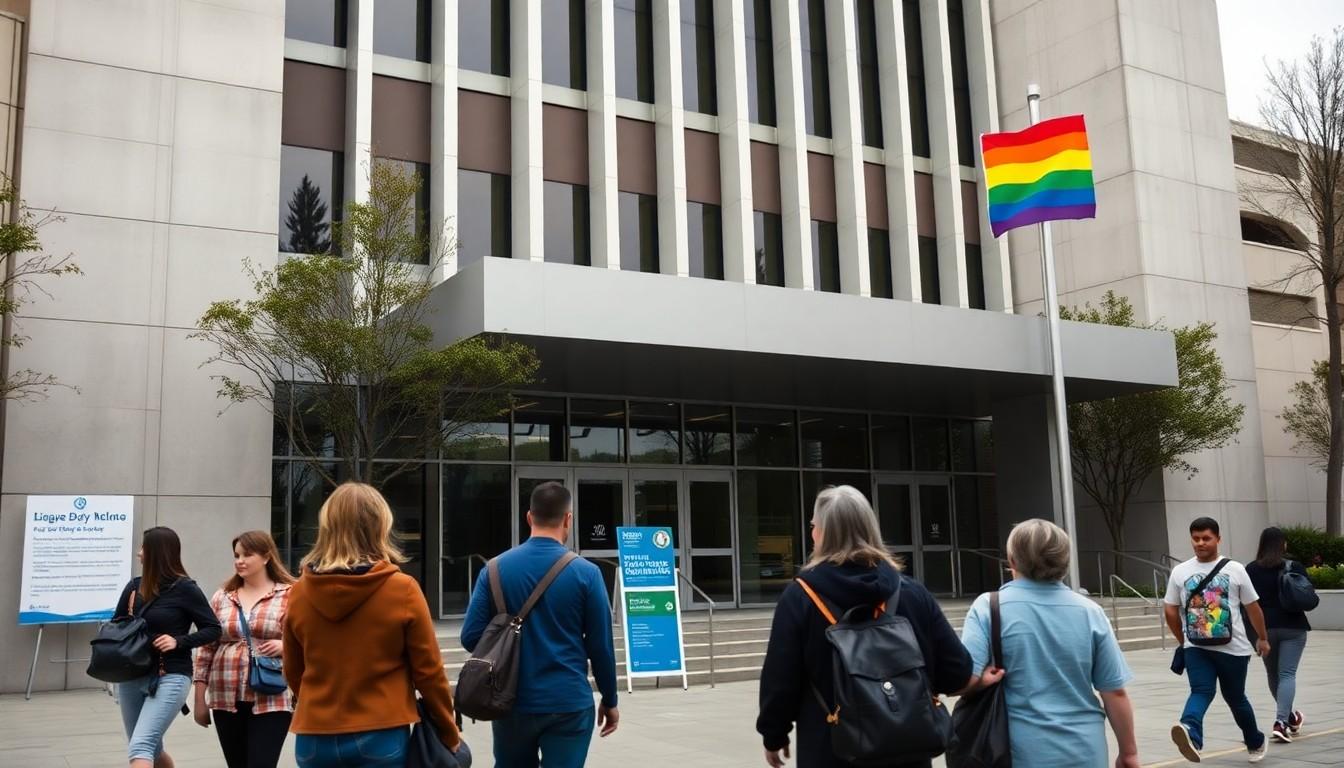
California has approved six new LGBTQ protections, covering transgender veterans, healthcare privacy, conversion therapy claims and HIV prevention. The package arrives as states clash over gender-affirming care and LGBTQ rights, making California's latest measures important not only for residents, but for anyone watching the next phase of America's culture-war legislation.
Essential takeaways
- Six bills signed: Governor Gavin Newsom approved six LGBTQ-related measures while rejecting one.
- Veterans gain support: Transgender veterans can access housing, employment help and discharge-upgrade assistance.
- Healthcare privacy tightened: California agencies and organisations face clearer rules around out-of-state subpoenas.
- Conversion therapy claims extended: Survivors have longer to pursue medical malpractice cases.
- PrEP access widened: Insurers must cover HIV-prevention medication through both medical and pharmacy benefits.
California sends a clear signal on LGBTQ protections
The new California LGBTQ rights package is broad rather than symbolic. It reaches into housing, legal privacy, healthcare access and the long-running fight against conversion therapy, creating practical changes for people who can often find themselves navigating hostile systems. The California governor's office described the measures as a response to mounting attacks on LGBTQ communities. (California Governor's Office, Los Angeles Times)
That range matters. A bill helping a transgender veteran find housing may seem far removed from one governing subpoena requests linked to gender-affirming care, but both address the same problem: whether people can live openly without losing access to essential services or legal protection. Advocacy groups welcomed the overall direction, although Newsom's veto of another measure showed that the package wasn't universally accepted. (LGBTQ Nation, Davis Vanguard)
Transgender veterans get help with housing and employment
Assembly Bill 1775 gives transgender veterans access to housing assistance and California's discharge-upgrade support programme. It also provides help with employment, offering a practical route forward for veterans whose military service records or discharge circumstances may create barriers after leaving the armed forces. (California Governor's Office, Golden Coast Journal)
The timing is especially significant because transgender people have faced renewed restrictions on military service under the Trump administration. Supporters argue that California should not allow federal policy to determine whether veterans can find stable housing or rebuild their careers. In everyday terms, the law is less about grand declarations and more about helping someone secure a roof, a job and a fair chance. (Los Angeles Times, LGBTQ Nation)
New privacy rules target out-of-state investigations
Assembly Bill 1930 focuses on medical privacy, setting out clearer procedures when another state seeks records connected with abortion or gender-affirming care. California agencies, individuals and companies must notify the state attorney general at least seven days before responding to certain subpoenas or handing over legal documents. (California Governor's Office, Davis Vanguard)
That pause could prove crucial. It gives California officials time to review requests before sensitive information crosses state lines, particularly where the treatment was lawful in California but restricted elsewhere. The measure won't erase every legal conflict between states, but it adds a layer of scrutiny that patients and providers have been asking for. (Los Angeles Times, Golden Coast Journal)
Conversion therapy becomes a clearer legal target
Senate Bill 934 strengthens California's position against conversion therapy by defining attempts to change a person's sexual orientation or gender identity as medical malpractice. It also extends the period in which a patient can bring a claim against a provider. (LGBTQ Nation, California Governor's Office)
California has prohibited conversion therapy since 2012, but recent legal developments raised questions about how secure that ban was. The new law is designed to close that gap, treating the practice not as a vague matter of professional misconduct, but as conduct that can carry direct legal consequences. That distinction may offer survivors more time and a clearer path to accountability. (Davis Vanguard, Los Angeles Times)
PrEP coverage could make HIV prevention easier to access
Senate Bill 1023 expands insurance coverage for PrEP, medication that helps prevent HIV infection. Insurers must cover it through both medical and pharmacy benefits, potentially allowing more healthcare providers to prescribe and supply the treatment. (California Governor's Office, Golden Coast Journal)
The change addresses a quiet but important obstacle: access can depend on how a medicine is categorised inside an insurance system. By opening both routes, California is aiming to reduce administrative friction for patients and clinicians. For people considering PrEP, the sensible next step is still to speak with a healthcare professional about suitability, testing and follow-up care. (LGBTQ Nation, Davis Vanguard)
What happens next for California's LGBTQ agenda?
Newsom's decisions have drawn praise from LGBTQ advocates and criticism from opponents, reflecting the increasingly national nature of these policy battles. California is positioning itself as a legal and political counterweight to states that are restricting gender-affirming care, limiting LGBTQ protections or challenging access to reproductive healthcare. (Los Angeles Times, California Governor's Office)
The real test will be implementation. A law can promise privacy, insurance coverage or employment help, but residents still need agencies, insurers and providers to apply it consistently. For now, though, the package gives California's LGBTQ community something more useful than a slogan: a set of new tools for everyday life. (Davis Vanguard, Golden Coast Journal)
It's a substantial policy shift, and its impact will be measured in the services people can actually reach.
Source Reference Map
Story idea inspired by: [1]
Sources by paragraph: