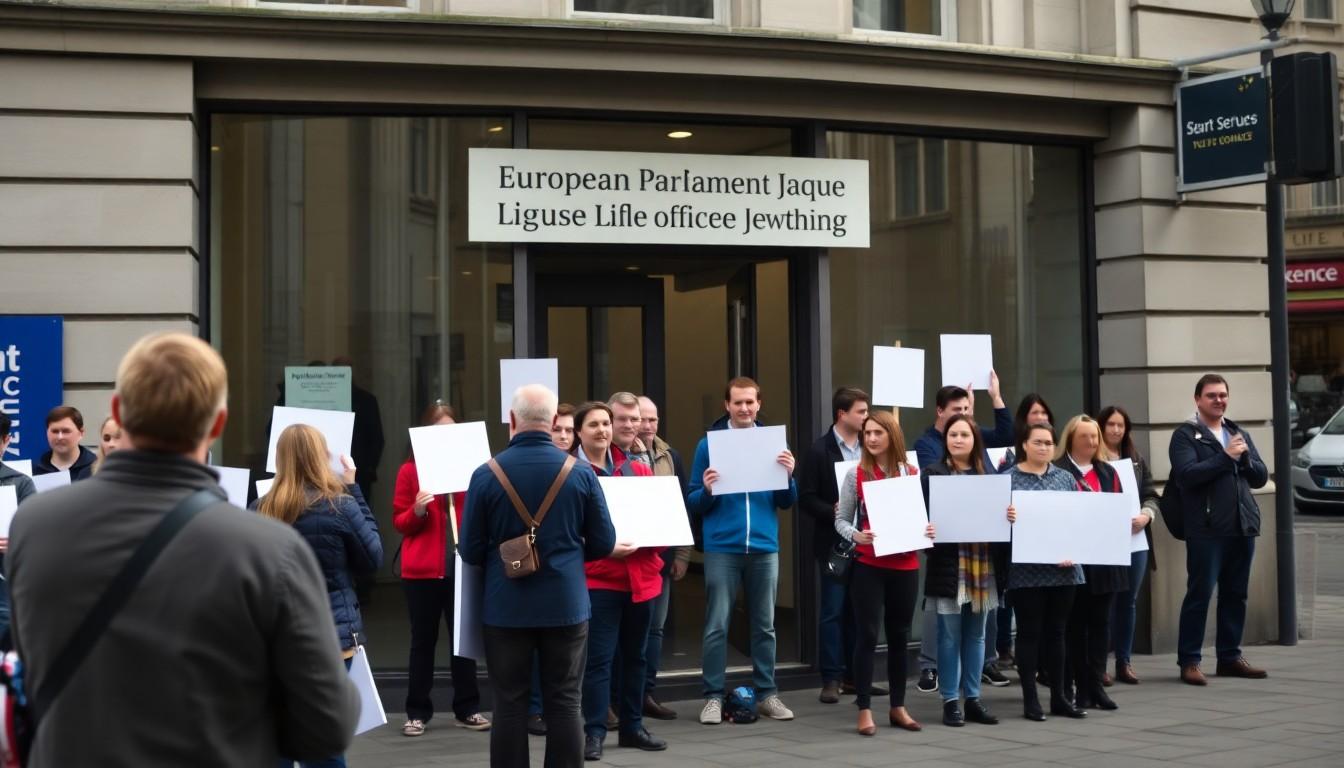
Irish LGBTQ+ organisations and allies gathered in Dublin to show solidarity with Türkiye's LGBTQ+ community, calling on the Irish Government and European Union to turn concern into practical diplomatic action after a sweeping crackdown, arrests and attacks on independent civil society.
Essential Takeaways
- Dublin demonstration: Community groups gathered outside the European Parliament Liaison Office in Dublin.
- Widening crackdown: Authorities were investigating 162 people, 13 businesses and nine associations.
- Joint pressure: Twenty Irish LGBTQ+ organisations called for urgent action from Foreign Affairs Minister Helen McEntee.
- Human rights demands: Campaigners want detainees released and those held to receive safe, humane treatment.
- European responsibility: The groups urged EU institutions to challenge Turkish authorities and support local activists.
Dublin's LGBTQ+ community turns concern into action
The demonstration brought Irish LGBTQ+ organisations, community members and allies together at a moment when reports from Türkiye described raids, investigations and growing pressure on civil society. Outside the European Parliament Liaison Office, the mood was serious but purposeful: this wasn't simply a symbolic gathering, but a public demand for accountability.
Groups including LGBT Ireland, Belong To, TENI and Dublin Pride joined the action, which formed part of an international day of solidarity requested by LGBTQ+ organisers in Türkiye. As Belong To reported in its campaign material, the event was intended to connect local advocacy with the calls coming directly from activists abroad. [2]
That international link matters. For communities facing restrictions at home, visible support from organisations overseas can help counter isolation and keep political attention focused. It also gives Irish groups a way to push their own government beyond carefully worded statements. [3]
What triggered the solidarity protest?
The action followed raids across 12 Turkish provinces connected to the government's "My Family Is Safe" campaign. Justice Minister Akın Gürlek later said investigations involved 162 people, 13 businesses and nine associations, according to reports carried by GCN. [7]
The crackdown also reached independent media. On the day of the Dublin protest, an İstanbul court ordered the news website T24 and its social media accounts to be blocked over allegations relating to "LGBT propaganda", adding a press freedom dimension to the wider dispute. [1]
For campaigners, the issue is therefore broader than one set of arrests. They argue that targeting LGBTQ+ people, activists, associations and journalists threatens freedom of expression, freedom of association and the space in which human rights groups operate. That's a much bigger alarm bell than a single policy announcement. [7]
Irish organisations call for concrete diplomatic pressure
Twenty Irish LGBTQ+ organisations sent a joint letter to Foreign Affairs Minister Helen McEntee, describing themselves as deeply concerned about the crackdown and the reported treatment of people in detention. Their message was direct: diplomatic concern should lead to measurable pressure. [3]
At the Dublin demonstration, campaigners called for an end to the criminalisation and targeting of LGBTQ+ people, organisations, activists and human rights defenders. They also demanded the release of anyone detained solely for legitimate human rights work or exercising fundamental freedoms. [2]
The groups further urged Ireland and the EU to raise the situation with Turkish authorities. They want European institutions to maintain and strengthen support for LGBTQ+ organisations and human rights defenders in Türkiye, rather than allowing political discomfort to turn into silence. [4]
Why detention conditions are part of the campaign
The demands also focused on people who remain in custody. Campaigners called for safe, humane and non-discriminatory conditions, including access to medication, hygiene products, clean water and protection from harm. These details may sound basic, but in detention they can become matters of immediate safety and dignity. [1]
That practical focus gives the protest a sharper edge. It isn't only asking governments to recognise a rights crisis; it's asking them to press for specific protections now, while legal and diplomatic processes continue. The difference is important, especially for people whose health or safety may depend on timely intervention. [3]
Irish LGBTQ+ groups have long experience of combining public mobilisation with policy advocacy, from community campaigns to direct engagement with government. Organisations such as Outhouse and Dublin Pride remain part of that wider civic network, helping keep solidarity visible beyond a single evening. [4]
Solidarity needs follow-through
Tim Hanley, LGBT Ireland's Policy and Research Manager, said the demonstration was taking place because LGBTQ+ organisers in Türkiye had called for international solidarity. He also warned that Ireland and the EU couldn't respond with expressions of concern alone, according to GCN. [1]
That challenge will be familiar to anyone who has watched governments issue statements while activists continue working under pressure. Public demonstrations create visibility, but the next test is whether ministers raise the issue privately and publicly, monitor detainees' treatment and protect independent organisations facing intimidation. [2]
For the Irish groups involved, the message is simple: LGBTQ+ rights are inseparable from press freedom, civic space and the rule of law. And when a community asks its international allies to stand beside it, the most meaningful answer is not just a flag or a slogan, but sustained political action. [6]
It's a small Dublin gathering with a much wider message: solidarity matters most when it leads to action.
Source Reference Map
Story idea inspired by: [1]
Sources by paragraph: