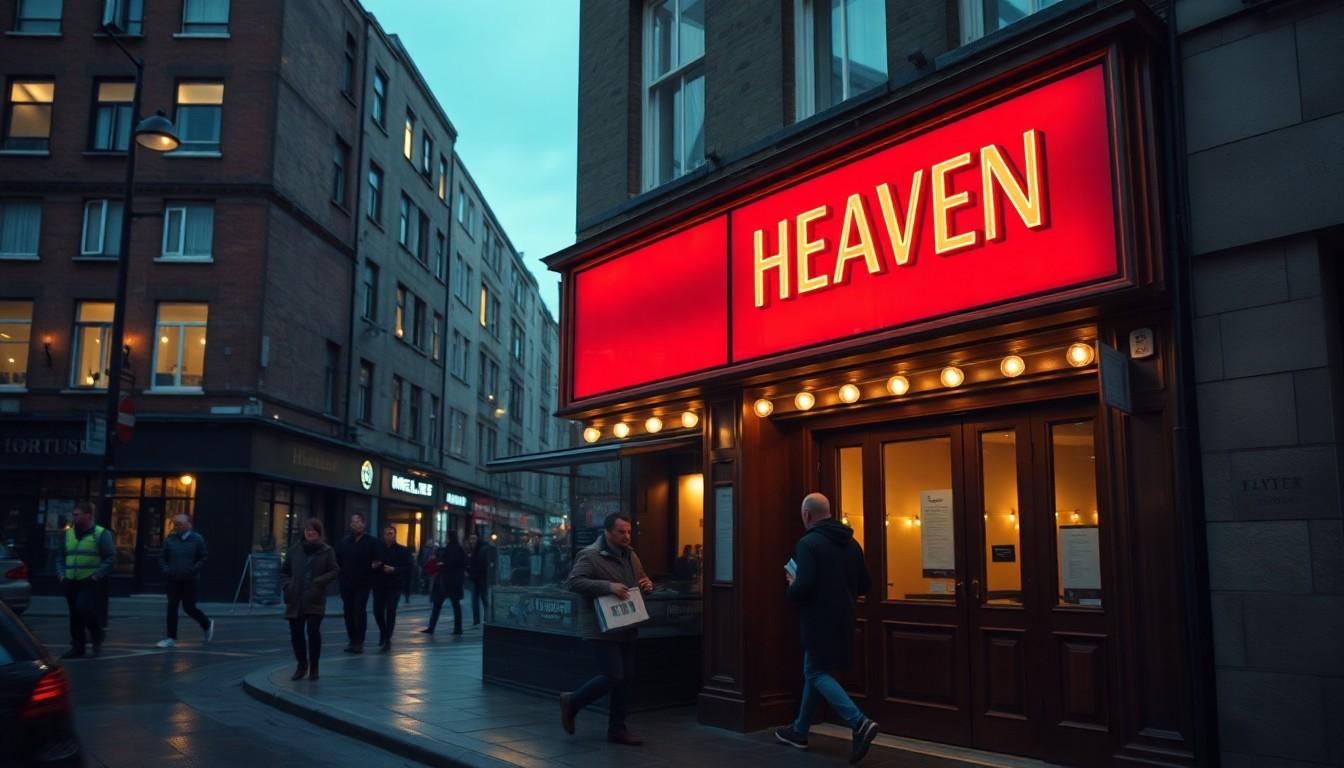
London’s Heaven nightclub has been recognised as an Asset of Community Value by Westminster City Council, highlighting why the iconic LGBTQ+ venue still matters. The designation follows an NTIA nomination and comes as Heaven moves towards a charity-run future, offering renewed hope for one of London’s best-known queer nightlife spaces.
Essential Takeaways
- Official recognition: Westminster City Council has listed Heaven as an Asset of Community Value.
- Long cultural history: The club has served London’s LGBTQ+ community since opening in 1979.
- A possible lifeline: Owner Jeremy Joseph says the status supports plans for a charity-run venue.
- Wider pressure: The NTIA wants councils across the UK to offer similar protection to LGBTQ+ nightlife spaces.
- More than nightlife: Heaven is recognised as a place for belonging, connection and community.
Heaven's protected status is a significant moment
The music may be loud inside Heaven, but the message from Westminster City Council is clear: this is more than a night out. The London LGBTQ+ nightclub has been listed as an Asset of Community Value, formally acknowledging its long-standing social and cultural role.
The decision follows a nomination from the Night Time Industries Association, which represents more than 10,000 nightlife businesses in the UK, according to Music Industry Weekly. For regulars, it puts official weight behind something they have understood for years: Heaven is a meeting place, a refuge and a piece of London's queer history.
The designation doesn't guarantee that the venue can never change, but it gives the community a stronger voice if its future is threatened. That matters in a city where nightlife spaces can disappear surprisingly quickly.
Why Heaven matters beyond the dancefloor
Heaven opened in 1979, when dedicated LGBTQ+ venues were vital spaces for people seeking friendship, safety and self-expression. Its longevity has made it one of the most recognisable names in London's queer nightlife, attracting generations of clubbers and performers.
Hello Rayo's coverage also reflects the venue's continuing significance to LGBTQ+ audiences. The appeal isn't simply nostalgia. A familiar venue can offer something difficult to replace: the feeling of walking through the doors and knowing you belong.
That emotional value is easy to overlook when nightlife is discussed only through property, licensing or commercial figures. Yet for many visitors, the soft glow, crowded dancefloor and shared rituals are part of a much bigger community story.
A charity-run future could change the picture
Owner Jeremy Joseph said the recognition supports Heaven's transition into a charity-run venue. The aim is to help secure the club's future while keeping its community role at the centre of its operation.
That proposed model comes after a period of uncertainty for the venue. ITV News previously reported that Heaven had faced licensing difficulties while also being put up for sale, underlining the financial and regulatory pressures confronting established nightlife businesses.
A charity structure won't make those challenges vanish. Running a large central London club still involves rent, staffing, security, licensing and the rising costs of staging events. But it could give the venue a clearer public-interest purpose, rather than leaving its future to commercial value alone.
Could this help other LGBTQ+ venues?
The NTIA is urging other local authorities to recognise and protect LGBTQ+ venues in the same way. The call arrives as specialist clubs and bars across the country face higher operating costs, changing habits and development pressure.
Capital Post described Heaven's new status as protected recognition, while London Crime News reported that the designation could remain in place until 2031. That sort of time frame offers breathing space, although it isn't the same as permanent protection.
The wider lesson is that a venue's value can't always be measured by its turnover. For a community, the important assets may be the places where people meet friends, find confidence or celebrate openly for the first time.
What the listing means for London's nightlife
An Asset of Community Value listing can strengthen a community's position when a building is threatened with sale or a major change of use. It doesn't provide an automatic veto, but it can create opportunities for local groups to respond and argue for the venue's importance.
Heaven's case also adds to a broader conversation about what London wants its nightlife to be. A city that celebrates its cultural history while allowing its most distinctive venues to disappear risks becoming polished but strangely empty.
For now, the listing is a hopeful step rather than a final answer. Heaven still needs a sustainable operating model, but its future is being discussed as a community concern, not merely a property decision. That's a small but meaningful shift.
It's a reminder that protecting nightlife can also mean protecting belonging.
Source Reference Map
Story idea inspired by: [1]
Sources by paragraph: