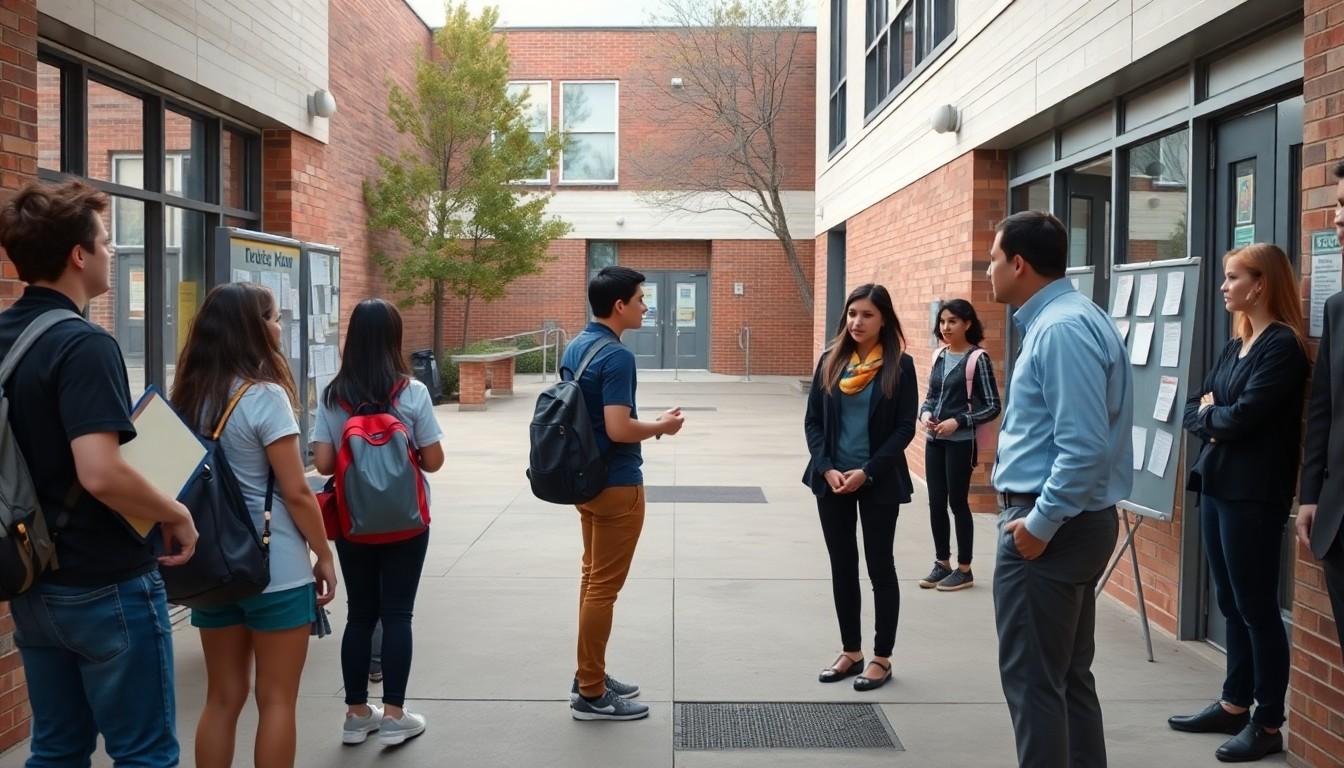
Students at a Burlington middle school reportedly challenged a Pride-themed school event, reviving a wider argument over inclusion, protest and parental confidence. The episode matters because a colourful spirit day can quickly become a flashpoint when pupils feel pressured, families feel unheard and school leaders struggle to explain where participation ends and personal choice begins.
Essential Takeaways
- The incident: Reports describe students disrupting a Pride-related school activity and rejecting its suggested themes.
- The wider debate: The dispute has prompted arguments about free expression, inclusion and the limits of school-led messaging.
- Why context matters: Burlington has faced other parent concerns about how sensitive topics are handled in schools.
- A practical lesson: Clear notice, age-appropriate language and genuine opt-out routes can prevent a symbolic event becoming a culture-war showdown.
A colourful school day turns tense
The most striking detail is the contrast between the cheerful setting and the angry reaction. What was intended as a Pride spirit day reportedly ended with decorations damaged, counter-messages shouted and pupils turning a planned celebration into a public protest.
According to the Boston Globe, the Burlington, Massachusetts, event became a source of controversy after students objected to the celebration. LGBTQ Nation also reported that pupils chanted “USA are my pronouns”, a slogan that turned a routine school activity into a highly visible political statement.
That wording is provocative by design. It doesn't simply decline participation; it reframes the discussion around identity, patriotism and authority. For supporters, that makes the protest feel bold. For critics, it risks treating LGBTQ identities as a punchline.
What happened at Burlington Middle School?
Reports differ in emphasis, but they broadly describe students refusing to follow the event's rainbow-themed instructions and creating a counter-message. WHDH reported that the incident prompted a town-wide discussion, while other coverage focused on allegations that students damaged Pride decorations.
The distinction matters. Declining to wear a particular colour is one form of expression. Destroying school property or targeting classmates is another, and schools are entitled to address that conduct regardless of the political message involved.
HotAir's account highlighted community outrage and the sharp divide over whether the pupils' behaviour represented free speech or intimidation. In practice, schools have to manage both concerns at once: protecting students' ability to disagree while ensuring that disagreement doesn't become harassment.
Why the argument spread beyond one classroom
Pride events in schools are often presented as simple inclusion exercises, but they can carry very different meanings for different families. Supporters see them as reassurance for LGBTQ pupils. Opponents may see them as political advocacy, particularly when participation is strongly encouraged or when parents aren't given enough information beforehand.
Burlington's debate also arrived in a community already wrestling with questions about transparency. Boston.com reported in 2025 that parents objected to detailed sex-related questions in a middle-school health survey, adding to concerns about how sensitive material is introduced and communicated.
That doesn't prove the issues are directly connected, but it helps explain the mistrust. When families feel decisions are being made without them, even a modest spirit-day activity can become a proxy fight over who gets to shape children's values.
Inclusion works better when participation is genuinely voluntary
The easiest way to lower the temperature is to make the rules unmistakably clear. Schools should explain the educational purpose of an event, say whether participation is optional, provide a neutral alternative and tell families how concerns can be raised before the day itself.
A pupil who chooses not to wear rainbow colours shouldn't automatically be treated as hostile. Equally, a pupil who feels mocked or singled out because of their identity deserves protection. The useful dividing line is conduct: peaceful non-participation is different from threats, vandalism or personal abuse.
Burlington Public Schools' non-discrimination notice states that the district does not discriminate across protected categories, including sexual orientation and gender identity. That framework is important, but policy language alone won't settle a dispute. Parents and pupils also need to see how those commitments work in ordinary school life.
The next test is trust, not another slogan
The viral nature of the footage means the event has become larger than the school itself. A short clip can flatten a complicated disagreement into heroes and villains, encouraging outsiders to cheer or condemn without knowing what happened before the camera started rolling.
The better response is less theatrical. School leaders should publish a clear account, distinguish peaceful protest from misconduct and invite parents into a calm discussion about future events. Students, meanwhile, should be taught that disagreement is allowed, but so are other people's dignity and safety.
There is no magic slogan that will make this debate disappear. Trust is built more quietly, through openness, consistency and the confidence that nobody is being compelled to perform agreement.
A small school celebration shouldn't need to become a national culture-war signal.
Source Reference Map
Story idea inspired by: [1]
Sources by paragraph:
- Paragraph 1: [2], [4]
- Paragraph 2: [3], [5]
- Paragraph 3: [2], [3]
- Paragraph 4: [4], [5]
- Paragraph 5: [5], [6]
- Paragraph 6: [6], [7]
- Paragraph 7: [7], [4]
- Paragraph 8: [2], [3]
- Paragraph 9: [4], [5]
- Paragraph 10: [6], [7]
- Paragraph 11: [2], [4]
- Paragraph 12: [3], [5]
- Paragraph 13: [6], [7]
- Paragraph 14: [2], [4]