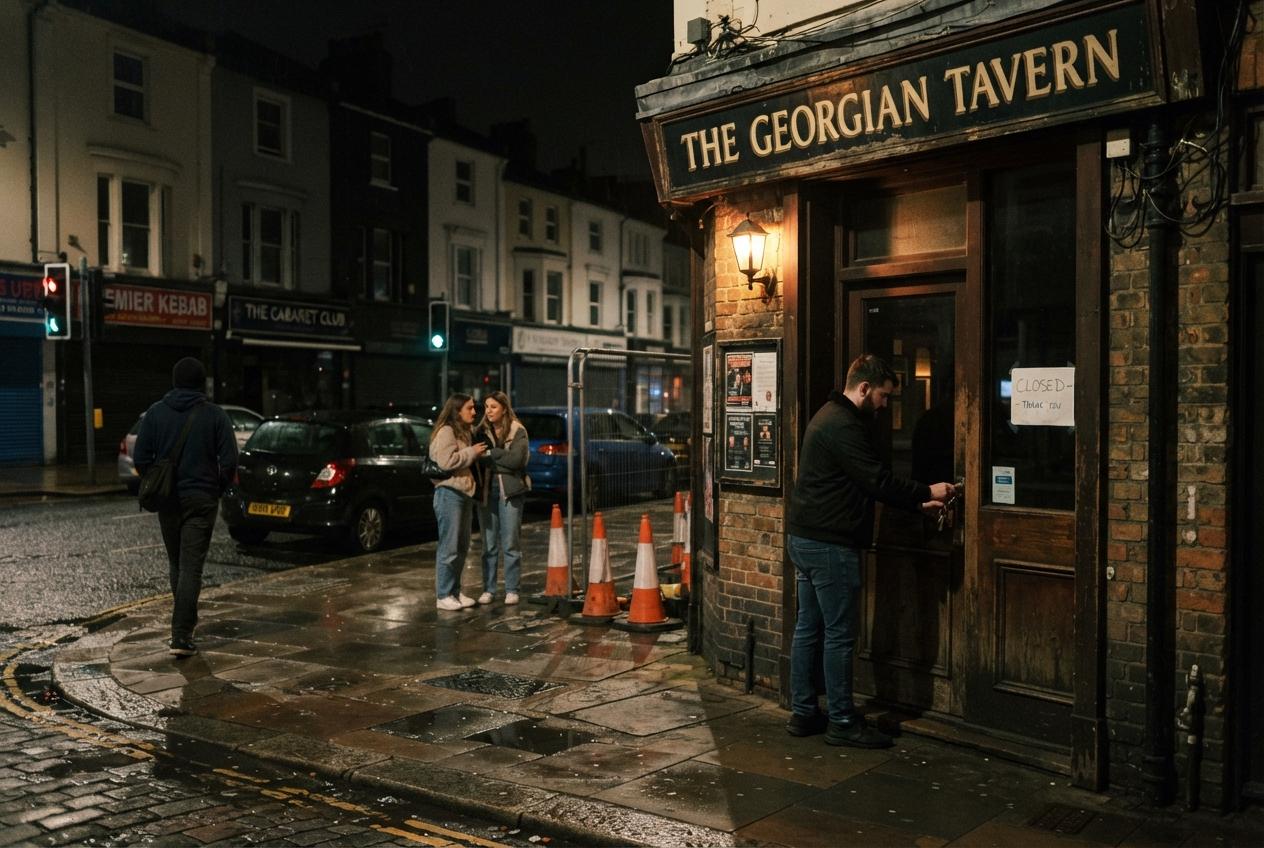
Brighton’s LGBTQ+ venues are under growing pressure as rising costs, safety concerns and recent closures put the city’s famous nightlife scene at risk. With R-Bar and Charles Street Tap shutting, local campaigners and Brighton MP Chris Ward are calling for urgent support before more much-loved spaces disappear.
Essential Takeaways
- Two venues have closed: R-Bar and Charles Street Tap both announced their departures from Brighton’s LGBTQ+ nightlife scene.
- Costs are climbing: Operators point to tax, wages, energy, rent and business rates as major pressures.
- Safety is part of the debate: Venue leaders want stronger action around crime, policing and the condition of key nightlife areas.
- Brighton’s reputation is at stake: Campaigners say the city must actively protect the community and businesses behind its inclusive image.
- The proposed fix is broader than grants: Calls include better licensing, year-round promotion and a plan for the city after dark.
Brighton’s nightlife has reached a worrying crossroads
The latest closures have landed with a particularly heavy thud in Brighton, where LGBTQ+ bars and clubs have long been part of the city’s identity. R-Bar, which had operated for more than two decades, is closing, while neighbouring Charles Street Tap has also confirmed its departure. Industry coverage described the moves as the latest sign of mounting strain on queer nightlife. [3]
For regulars, these aren't simply businesses changing hands. They're places where friendships begin, music careers take shape and people find a sense of belonging. Steve Jones, who helps run R-Bar and Revenge, said the personal loss was difficult to separate from the wider business crisis, according to Attitude. [6]
Brighton has benefited from its welcoming reputation for years. But reputation alone doesn't pay rent, staff or electricity bills, and the city's nightlife now needs practical backing as well as warm words. [4]
Why are LGBTQ+ venues finding it so hard to survive?
Operators are facing a familiar but punishing combination of higher operating costs. Tax, employment expenses, business rates, energy bills and rent have all been highlighted as factors squeezing venues from several directions at once. The Morning Advertiser reported that the closures came amid precisely this wider cost pressure. [3]
There are other worries, too. Jones has raised concerns about crime, safety and a perceived deterioration in parts of the city, arguing that customers and businesses need more visible support. That makes the challenge feel less like a single bad trading period and more like a problem affecting the whole evening economy. [5]
Smaller venues are especially exposed. They may have limited space, seasonal income and little room to absorb another sudden increase in costs. When a familiar bar disappears, the impact can ripple out to performers, promoters, security staff and nearby businesses.
Brighton MP takes the issue to Parliament
Chris Ward, Labour MP for Brighton Kemptown and Peacehaven, raised the situation in the House of Commons after meeting venue operators and discussing the pressures facing the sector. His intervention placed Brighton's LGBTQ+ nightlife concerns inside a national conversation about hospitality and the future of town centres. [2]
Ward has argued that action is needed at both local and national level. That could mean support for hospitality businesses, but also a closer look at licensing, public safety and the conditions that allow venues to trade successfully late into the night. [2]
It matters politically because Brighton's LGBTQ+ scene isn't only a leisure offer. It's part of the city's cultural and economic appeal, attracting visitors while providing social spaces for local people. Losing several venues in quick succession could weaken that wider ecosystem.
The proposed answer goes beyond emergency funding
Jones has called for safer St James's Street and Kemp Town, stronger promotion of Brighton's LGBTQ+ scene throughout the year, and a more supportive licensing system. He also wants a plan to re-energise the city between early evening and morning, when the night-time economy is most active. [5]
That broader approach is important. A venue can receive temporary help and still struggle if customers feel unsafe getting there, licensing processes are too difficult or the area lacks a lively mix of businesses. The solution, in other words, needs to cover the whole journey from front door to last orders.
Year-round promotion could also help reduce reliance on a handful of peak weekends. Brighton's LGBTQ+ community and visitor economy deserve more than occasional spotlight treatment, particularly when venues are carrying costs every month.
What happens next for Brighton’s queer nightlife?
The immediate concern is whether the remaining venues can withstand another difficult trading cycle. Jones has warned that without meaningful action, the city could lose all of its LGBTQ+ venues within two years, a stark prediction reported by Sussex News. [7]
That outcome isn't inevitable, but the warning underlines how quickly a thriving scene can become fragile. Supporters, residents and visitors can help by spending locally, attending events, sharing venue news and treating these spaces as community assets rather than interchangeable nightspots.
For many people, the appeal of Brighton's LGBTQ+ nightlife is wrapped up in small, human moments: a first night out, a new friendship, a favourite song in a crowded room. Protecting that experience will take more than nostalgia. [6]
Brighton’s LGBTQ+ venues need action now if the city wants its inclusive reputation to endure.
Source Reference Map
Story idea inspired by: [1]
Sources by paragraph: