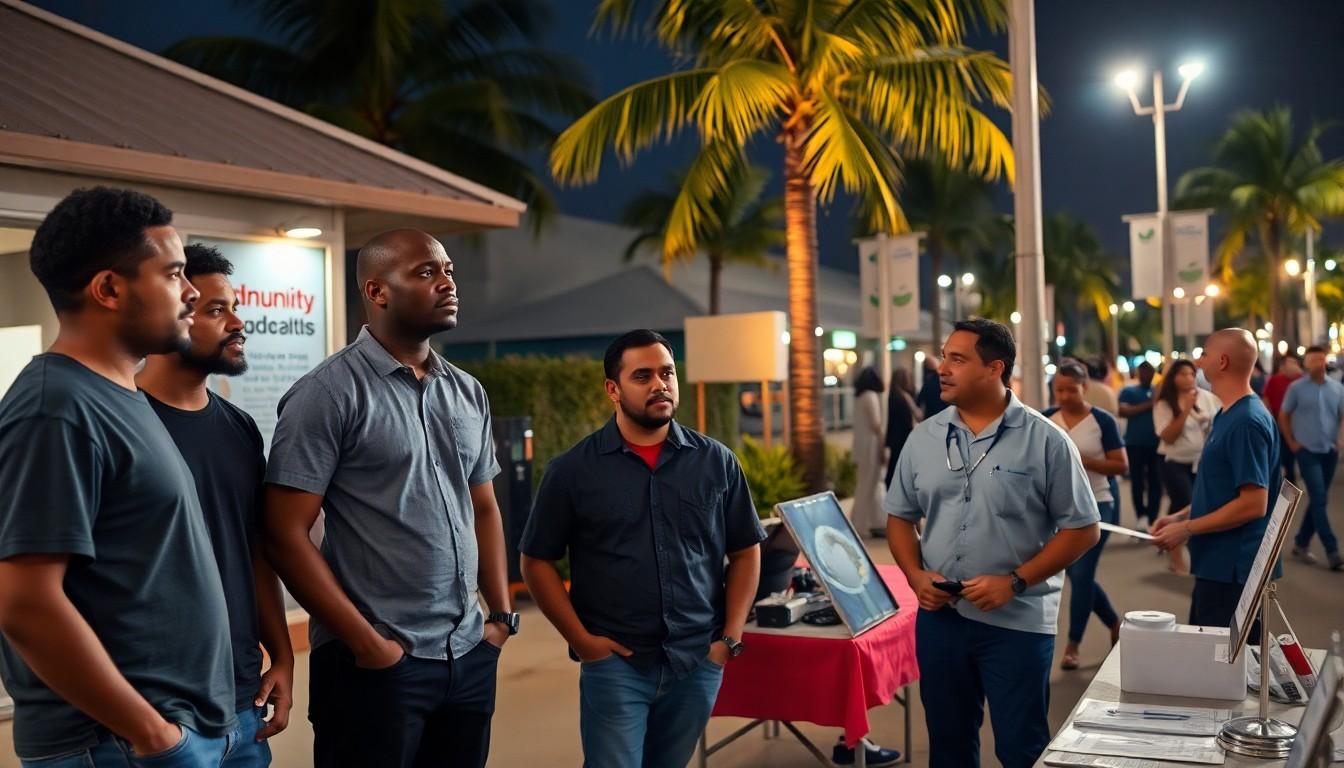
Organisers are reshaping the 2026 South Florida Men’s Wellness Conference to reach people often missed by traditional healthcare events. With HIV and STI prevention, mental wellbeing and practical support at its centre, the South Florida gathering aims to make care feel more welcoming, useful and accessible, particularly for gay men of colour aged roughly 20 to 35.
Essential Takeaways
- A more accessible format: The conference is moving away from formal panels and academic-style sessions.
- HIV and STI support: Visitors can learn about testing, treatment, PrEP, PEP and Doxy-PEP.
- Mental wellness matters: Free mental healthcare signposting sits alongside physical health advice.
- Community-led appeal: Influencers, giveaways, brunch and a club-night experience are designed to attract new audiences.
- Everyone is welcome: The event is focused on higher-risk groups, while remaining open to gay, bisexual, straight and queer men.
A wellness conference designed to meet people where they are
Healthcare information only works when people can comfortably reach it. That sounds obvious, yet barriers such as housing, culture, age, stigma and distrust can turn an available service into an effectively unreachable one.
The 2026 South Florida Men’s Wellness Conference is being planned around that gap. Rather than assuming everyone will walk into a clinic or sit through a conventional seminar, organisers want to create an experience that feels familiar, social and worth showing up for. Related wellness events, including United Way Broward’s behavioural-health conference, show how wide the conversation has become around access and mental wellbeing. (United Way Broward)
HIV prevention takes centre stage
The event’s central promise is practical information, not simply awareness. Attendees are expected to find routes to HIV and STI testing, treatment referrals and guidance on prevention options including PrEP, PEP and Doxy-PEP.
That matters because prevention can seem complicated when people are encountering it for the first time. A useful event should answer the everyday questions, such as where to get tested, how quickly to seek PEP after possible exposure and whether PrEP or Doxy-PEP is appropriate. Organisations such as Campbell Health and Pridelines reflect the wider network of clinical and community support available in South Florida. (Campbell Health; Pridelines)
Why the usual conference model is changing
Traditional conferences often attract professionals, advocates and people who already understand the healthcare system. They can be valuable, but they don't necessarily reach residents who feel overlooked, judged or simply too busy to attend a formal day of presentations.
This new approach swaps some of that formality for local influencers, prizes, food and a social evening. It may sound unconventional, but that is rather the point. Bloom Connect Project's summit model and other community-focused gatherings demonstrate the appeal of making health information more connected to real life, rather than keeping it behind a lectern. (Bloom Connect Project)
What visitors can expect on the day
The organisers are planning free brunch, giveaways and access to information about both physical and mental health. The club-night experience, reserved for people who attend and engage with the conference, adds a clear social incentive and gives the event a more relaxed finish.
For visitors, the best use of the day will be to arrive with a few practical questions. Ask which services are free, whether appointments are needed, how confidential testing works and where follow-up care is provided. Events such as the South Florida Mental Wellness Summit and Expo show how health exhibitions can combine signposting with face-to-face conversations, which can feel much less intimidating than searching alone online. (Charles F. Dodge City Center)
A broader view of men’s wellness
Although HIV and STI care are major themes, the conference isn't presenting wellness as a single-issue conversation. Mental health, relationships, prevention, physical wellbeing and access to ongoing support all overlap, particularly for people who may already face stigma or isolation.
That broader approach mirrors the growing interest in lifestyle and longevity medicine, where sleep, stress, movement and long-term prevention are considered part of the same health picture. Baptist Health’s educational work in this area reflects that shift, although the South Florida conference places stronger emphasis on community access and targeted outreach. (Baptist Health)
A welcoming room can be a healthcare intervention in its own small way. If the event helps even one person get tested, start treatment, find counselling or learn about prevention, the less formal approach will have earned its place.
Make health information easier to reach, and more people can act on it.
Source Reference Map
Story idea inspired by: [1]
Sources by paragraph: