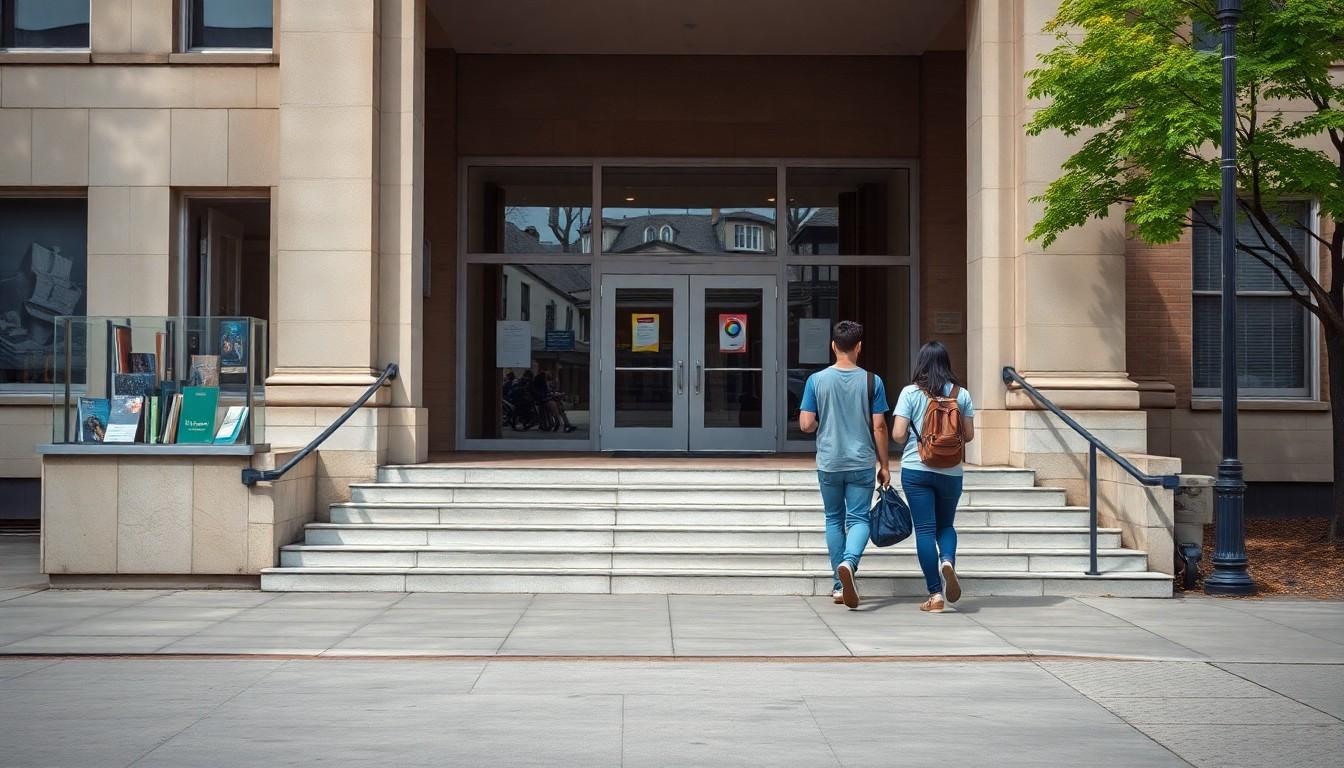
Teachers and teen readers are finding richer queer YA fiction beyond the familiar coming-out plot. From horror and romance to space adventure and unexpected parenthood, these stories give LGBTQ+ teenagers room to imagine identity, friendship, family and futures that don't end with one disclosure.
Essential Takeaways
- The story doesn't stop there: Queer YA increasingly explores life, love and conflict after coming out.
- Genres are widening: Romance, horror, science fiction and family drama now sit alongside traditional coming-of-age narratives.
- Representation still matters: Supportive books and classrooms can help LGBTQ+ pupils feel seen and connected.
- Variety is the point: The strongest reading lists include different identities, cultures, settings and emotional journeys.
- Choose for the reader: Check age suitability, themes and content notes, especially for horror, pregnancy and mental health.
Queer YA is moving past one defining moment
Coming out can be a powerful scene in a young adult novel, but it can also become an unintended finishing line. Once the secret is shared and the reaction arrives, the story often appears to have reached its emotional summit.
That structure makes sense. YA fiction is built around change, self-knowledge and the uncomfortable business of becoming more fully yourself. But queer teenagers are not defined by a single conversation, and contemporary queer YA is increasingly willing to show what follows: romance, responsibility, danger, grief, ambition and the wonderfully ordinary business of getting through the week.
The shift reflects a wider discussion around LGBTQ+ representation in literature. Commentary in Salon has noted how queer YA has grown beyond a narrow focus on disclosure, while academic work has examined the genre's changing treatment of identity, belonging and social pressure.
Five books that give queer characters more to do
A lively classroom shelf might begin with Unexpecting by Jen Bailey, where Ben's sexuality is only one part of a much larger challenge. After an unexpected pregnancy, he has to confront fatherhood, family and responsibility. The premise is unusual, but that is precisely its appeal: queer characters are allowed to have complicated, surprising lives.
Ryan La Sala's The Honeys takes a darker route. Mars returns to a summer academy connected with painful memories, a suspicious death and strict ideas about gender. The result is a tense horror story with a strong sense of place, unsettling secrets and, yes, gender-affirming bees. It is an easy recommendation for readers who want representation with a proper shiver.
For a lighter mood, Erin Baldwin's Wish You Weren't Here turns rivalry into romantic confusion at summer camp. Juliette's emotional journey is less about announcing a fixed identity and more about admitting an inconvenient attraction. That distinction feels refreshingly true to the messy way teenage feelings often arrive.
Romance, retellings and stories with room to breathe
Jennifer Dugan's Verona Comics reworks the emotional machinery of Romeo and Juliet through Jubilee and Ridley, two bisexual characters caught between family conflict, secrecy and an intense relationship. The Shakespearean echoes are there, but so are modern concerns including anxiety, depression and the pressure of inherited expectations.
These books matter because they widen the emotional vocabulary available to young readers. Queer characters can be uncertain, jealous, funny, frightened or utterly swept away. They can make poor decisions, fall in love and struggle with mental health without every plot point being treated as a lesson about identity.
Research into queer YA has also considered the genre's reparative possibilities, particularly how stories can offer recognition, hope and alternative ways of imagining life. That doesn't mean every book needs to be comforting. Sometimes a difficult story is valuable because it gives a reader language for something they haven't yet managed to explain.
Science fiction offers a future without the default setting
Eliot Schrefer's The Darkness Outside Us moves the conversation into space. Ambrose and Kodiak wake aboard a mission carrying secrets, danger and an urgent need to co-operate. In its future society, queerness isn't framed as a problem requiring explanation, so the plot can focus on survival, trust and the frightening scale of the universe.
That kind of world-building can be quietly radical. Instead of asking queer characters to justify their identities, the novel lets them get on with the main event. Readers who enjoy twisty science fiction will find plenty to discuss, from political division and technology to the ethics of survival.
It also shows why genre variety matters in a school library. A teenager who doesn't want a realistic relationship drama might happily pick up a space thriller. Another might prefer camp romance, gothic horror or a family story. Representation works best when it appears across the shelves, not in one specially labelled corner.
How teachers and parents can choose the right book
Start with the reader, not the category. Consider whether they're looking for humour, romance, suspense or a more reflective story, then check themes such as pregnancy, bereavement, bullying, trauma, depression and body horror. A short conversation about content can make a recommendation feel thoughtful rather than cautious.
It is also worth varying whose experiences appear in the collection. Academic discussions of LGBTQ+ youth literature have increasingly drawn attention to rural settings, intersecting identities and the ways geography shapes belonging. A strong list should avoid presenting one polished version of queer life as universal.
Most importantly, don't treat these novels as a replacement for pastoral care or inclusive school policy. Research on school climate consistently links safety, supportive adults and explicit protection from homophobic and transphobic bullying with better educational experiences. Books can open a door, but the wider school environment has to make it safe to walk through.
The best queer YA shelves keep expanding
The most encouraging development is not simply that there are more queer books. It is that queer characters are appearing in more kinds of stories, with more varied futures and fewer demands to explain themselves before the adventure begins.
For young readers, that can be a quiet form of freedom. The page doesn't have to ask, "Who are you?" and stop there. It can ask what you want, who you trust, what scares you and where you might go next.
The right book can make a classroom shelf feel bigger, kinder and far more possible.
Explore queer YA titles that let every reader imagine what comes after the first revelation.
Source Reference Map
Story idea inspired by: [1]
Sources by paragraph: