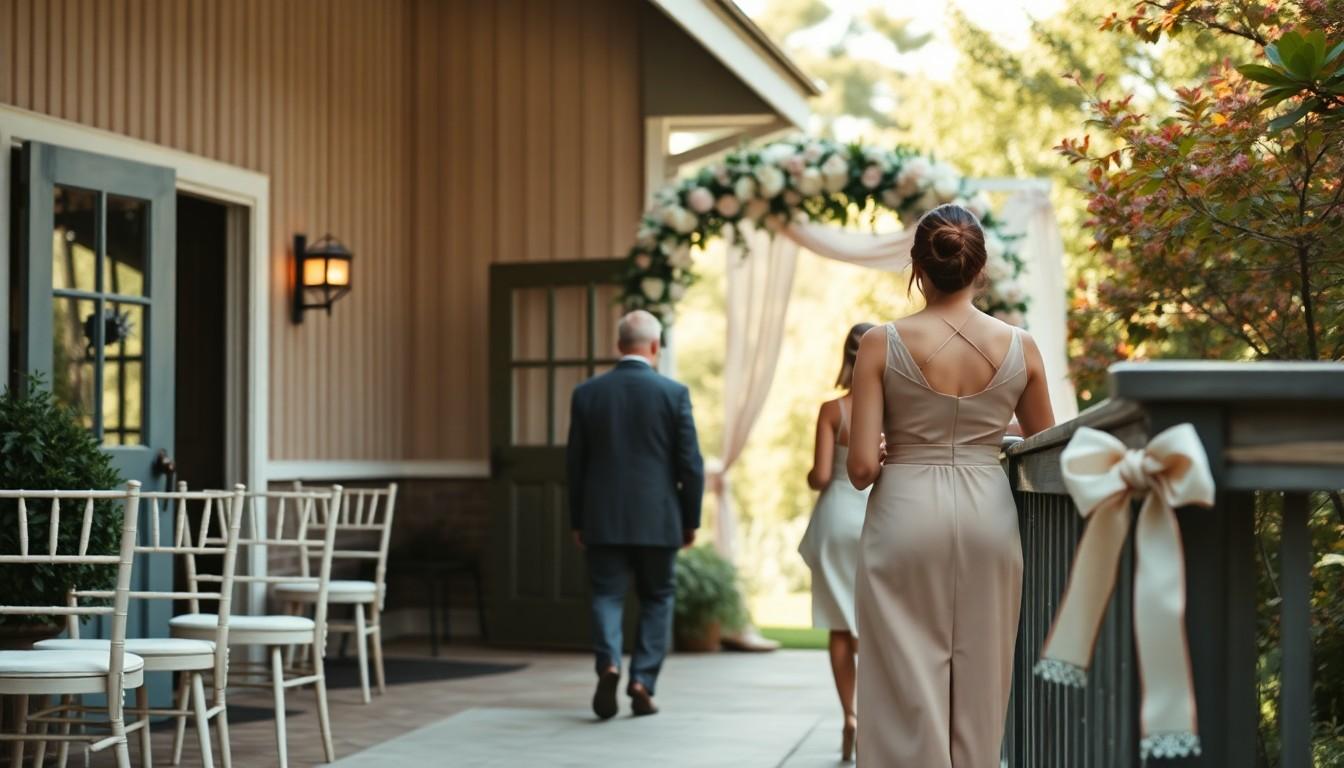
Couples planning an LGBTQ+ wedding in Michigan are looking beyond the usual checklist, seeking welcoming venues, thoughtful vendors and ceremonies that feel genuinely personal. From choosing inclusive suppliers to navigating family dynamics and legal paperwork, a little early research can turn a potentially awkward process into a confident, joyful celebration.
Essential Takeaways
- Inclusive vendors matter: Look for clear evidence of LGBTQ+ experience, not just vague promises.
- Michigan’s legal process is shared: Couples apply for marriage licences under the same system regardless of gender.
- Traditions are optional: Processions, outfits, ceremony language and family rituals can all be redesigned.
- Support can be practical: A trusted friend or planner can handle difficult family situations on the wedding day.
- Directories help narrow the search: Specialist networks and Michigan venue listings can make initial research less daunting.
Start with vendors who make welcome obvious
The strongest sign of an inclusive wedding supplier is often refreshingly simple: they say so clearly. A venue or photographer that openly represents LGBTQ+ couples in its website, portfolio or directory profile gives you more confidence than a generic statement about welcoming everyone.
Specialist resources such as Rainbow Wedding Network can also help couples find LGBTQ+-friendly venues and local vendors. Its focus is useful because it turns a broad internet search into a more targeted shortlist, particularly when you're comparing photographers, florists, planners and officiants.
Still, don't be afraid to ask a direct question during your first enquiry. “Do you regularly work with LGBTQ+ couples?” should be easy for an experienced, welcoming vendor to answer warmly and specifically. If the response feels hesitant, overly vague or strangely formal, that tells you something too.
Michigan has more than one kind of welcoming venue
A venue can be beautiful, but comfort comes first. Couples should look for places that can explain how they support LGBTQ+ celebrations, from inclusive contract language to staff training and flexible ceremony arrangements.
Michigan listings on platforms such as Here Comes the Guide provide a useful starting point for comparing venues that identify as LGBTQ+-friendly. Meanwhile, individual properties such as Zingerman's Cornman Farms publicly highlight their support, giving couples a clearer sense of the values behind the setting.
Venue questions don't need to be complicated. Ask how the team handles names and pronouns, whether ceremony scripts can be customised, and how they manage any guest behaviour that crosses a line. The best answers will sound practical rather than performative.
Build a ceremony around your relationship
The ceremony is where borrowed wedding language can feel most obvious. A good officiant won't automatically reach for “bride and groom” or assume that one partner will take a traditionally masculine or feminine role. Instead, they'll ask what matters to you and shape the service accordingly.
That might mean walking down the aisle together, entering separately, including chosen family or replacing the procession with something entirely different. Two suits, two gowns, a jumpsuit or a mix of styles can work beautifully when the clothing reflects how each person wants to feel, rather than a role assigned by convention.
It also helps to agree on preferred language early. Share your choices with the officiant, DJ, stationery designer and photographer, so introductions, signage and announcements feel consistent. Small details can make the day feel noticeably more comfortable.
Plan for family dynamics before the big day
Not every guest list will be simple, and pretending otherwise can create unnecessary pressure. Some couples may be dealing with unsupportive relatives, complicated seating decisions or family members who need clear boundaries.
One sensible approach is to choose a trusted point person for the day. That could be a planner, sibling, wedding-party member or close friend who can handle awkward conversations while you and your partner stay focused on getting married.
This isn't about inviting conflict. It's about protecting your attention. Couples can also build their celebration around supportive friends and chosen family, especially when traditional family roles don't fit their reality.
Don't overlook the legal and practical details
Michigan provides marriage licences to couples regardless of gender, following the same general process. Both partners need valid photo identification, and the state doesn't require a waiting period or blood test, although local administrative details should always be checked before applying.
The paperwork doesn't stop once the confetti has settled. Name changes, insurance records, financial accounts and other documents may need updating, so a shared checklist can prevent the post-wedding admin from becoming a muddle. For questions involving parental rights, previous legal arrangements or unusual documentation, professional legal advice is sensible.
Finally, compare vendors on more than price and appearance. A photographer should understand the moments you want captured, a hair and make-up artist should ask about your preferred look rather than assume it, and a caterer or DJ should be comfortable using the language you've chosen. That combination of competence and ease is worth paying attention to.
A Michigan wedding doesn't need to follow a template to feel polished, meaningful and unmistakably yours.
Source Reference Map
Story idea inspired by: [1]
Sources by paragraph: