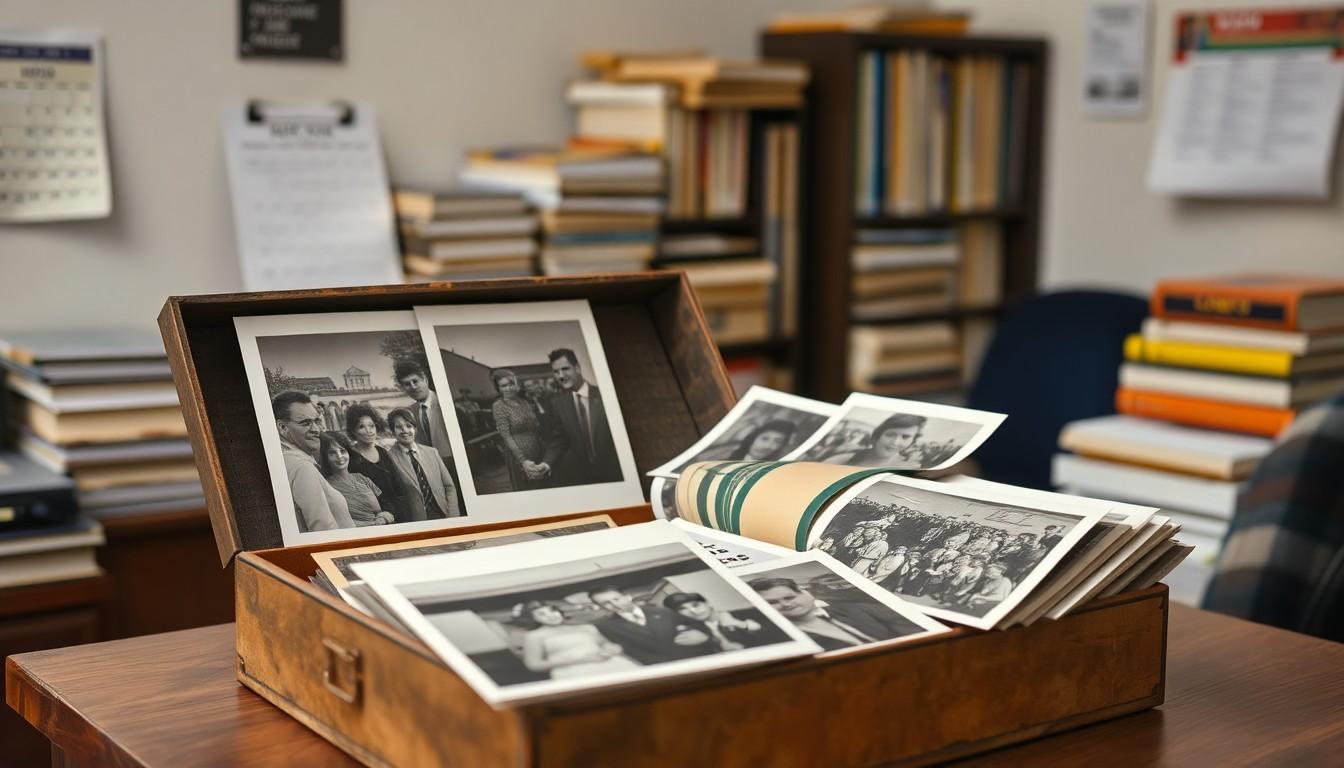
Readers are turning to LGBTQ+ History Month for more than familiar dates and names. Across October, archives, photographs and personal stories are helping people understand how LGBTQ+ communities built visibility, demanded equality and created lives of joy, love and resistance.
Essential Takeaways
- October is a time for reflection: LGBTQ+ History Month highlights people, movements and everyday experiences that shaped queer history.
- Archives make history feel immediate: Vintage photographs can reveal celebration, intimacy, protest and community in powerful detail.
- Pioneers came from many backgrounds: Activists, artists and community organisers all helped advance LGBTQ+ rights.
- Personal stories matter: Weddings, friendships and ordinary home lives can be just as revealing as major political events.
- The past still speaks: Learning this history can deepen appreciation for rights that were hard-won and remain worth protecting.
Why LGBTQ+ History Month still matters
October offers a useful pause in a calendar that can sometimes rush from one headline to the next. LGBTQ+ History Month brings attention back to the people and communities whose work made greater visibility possible, while recognising that progress has rarely been neat or easy.
Awareness Days describes the month as an opportunity to celebrate LGBTQ+ history, culture and contributions. That broad focus matters because queer history isn't only found in court cases or campaign slogans. It's also in family photographs, meeting places, friendships and the quiet decisions people made to live openly. ([2], [7])
The pioneers who changed the conversation
The movement for LGBTQ+ equality was shaped by people with very different approaches and experiences. Some organised publicly, others worked through publishing, legal challenges or community support, and many carried on despite hostility and personal risk.
Educational guides from Quinnipiac University and Penn State York stress the value of recognising these varied contributions. Their framing helps avoid the tempting but misleading idea that history is made by a handful of famous figures alone. Change usually arrives through a chorus of voices, including those that weren't always recorded. ([3], [4])
Photographs turn distant history into something human
A photograph can make the past feel startlingly close. A crowded Pride march, a daring outfit or two people standing together at a wedding can communicate confidence, nerves and happiness without a long explanation.
That is why archival images of LGBTQ+ life are so compelling. St John's University notes that the month can be used to explore both historical events and the lived experiences of LGBTQ+ people. In practice, that means looking beyond public protest to the homes, relationships and ordinary routines where community was built. ([5], [6])
What vintage queer archives can teach us
Older images also challenge the idea that LGBTQ+ life began with the internet or recent cultural visibility. They show people finding one another, making room for joy and creating traditions even when mainstream society offered little recognition.
For younger readers, these archives can provide a sense of continuity. For older readers, they may bring back memories that were once difficult to share. As awareness and university resources suggest, LGBTQ+ History Month works best when it connects celebration with education rather than treating the past as a museum piece. ([2], [3], [4])
How to explore LGBTQ+ history thoughtfully
Start with a mixture of sources. Read about major campaigns and legal milestones, then pair them with oral histories, photography collections or memoirs that show how those changes affected real lives. A little context also helps: ask who took the photograph, whose voice is missing and how the material was preserved.
It’s worth resisting the urge to flatten the story into a simple march of progress. LGBTQ+ history includes victories, setbacks, disagreement and loss, as well as humour, romance and everyday resilience. That fuller picture is more honest, and it makes the achievements of earlier generations feel even more remarkable. ([5], [6], [7])
Looking back can help shape what comes next
The strongest LGBTQ+ History Month stories don't leave readers trapped in the past. They show how earlier generations created possibilities for the present, while reminding us that visibility and equality need care if they're to last.
There’s something quietly moving about discovering that ordinary people made history simply by showing up for one another. Their lives offer both a record of what changed and an invitation to keep building. ([3], [4], [6])
Learning queer history is one small way to honour the people who made a more visible future possible.
Source Reference Map
Story idea inspired by: [1]
Sources by paragraph: