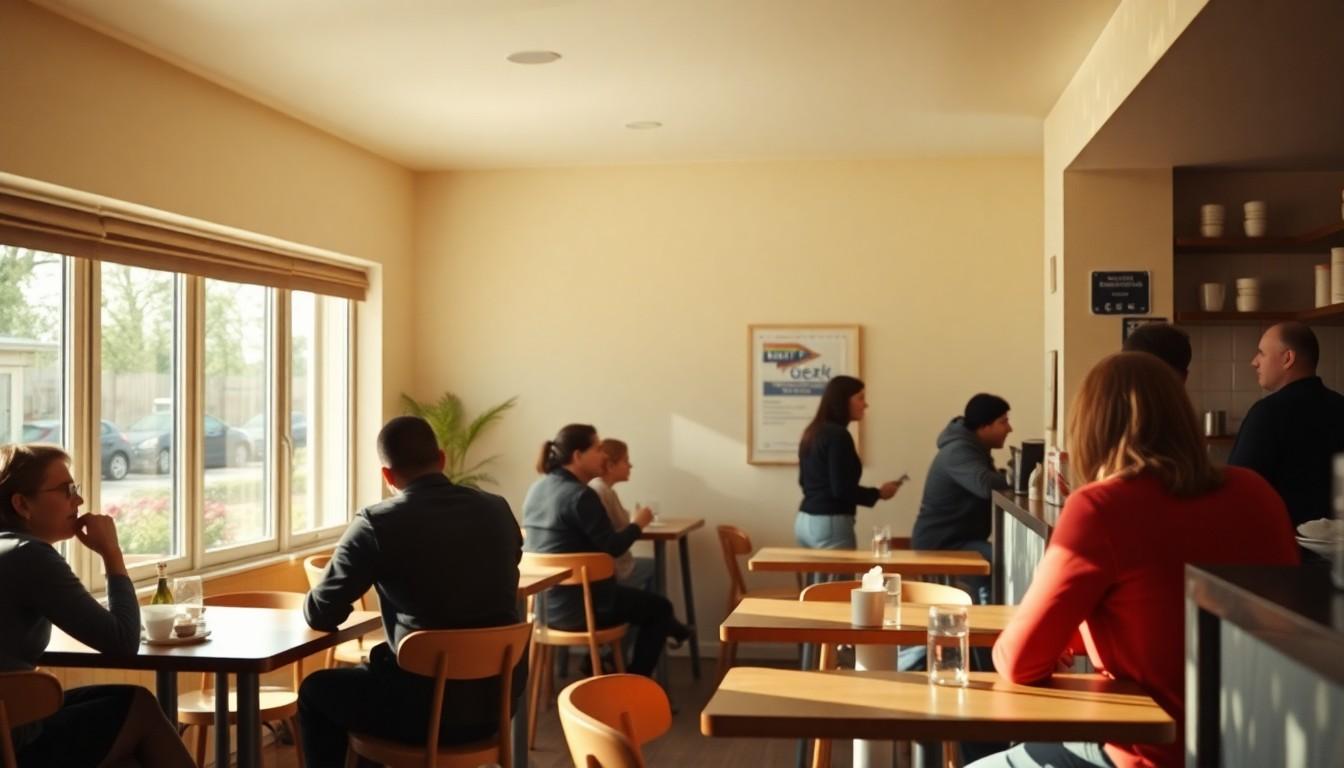
Residents in Midden-Drenthe are gathering at a new monthly LGBT+ community cafe in Beilen, where conversation, friendship and a sense of belonging matter more than a packed agenda. The Regenboogcafe aims to give LGBTQIA+ people and allies a relaxed, accessible place to meet, share experiences and simply feel at home.
Essential Takeaways
- Monthly meeting: The Regenboogcafe is planned for the last Wednesday of each month, from 7.30pm to 9.30pm.
- Local venue: Meetings take place in the cafe area of Zalencentrum Muller on the Paltz in Beilen.
- Open and free: There is no entrance fee, and coffee and tea are provided at no cost.
- People set the tone: Visitors can chat, play games, suggest themes or exchange personal experiences.
- A broad welcome: The cafe is intended for the LGBTQIA+ community and supportive allies.
A small cafe with a big sense of welcome
More than 20 people attended the first Regenboogcafe in Beilen, creating the kind of gentle, conversational atmosphere that can be hard to find in a new community space. According to Dagblad van het Noorden, the opening included speeches from Midden-Drenthe alderman Joop Slomp and provincial rainbow ambassador Henk Nijmeijer.
The evening was deliberately low-key rather than overly programmed. People came together over refreshments, introductions and personal stories, with the focus firmly on recognition and connection. That relaxed approach may be the cafe's greatest strength: nobody needs to arrive with a speech, a question or a perfectly defined reason for being there.
Why regular LGBTQIA+ meeting places matter
The initiative responds to a simple but important need for a safe, familiar place where people can be themselves without fear of judgement. Roze 50 Plus regularly highlights the value of social contact and visibility for older LGBTQ+ people, particularly in communities where specialist events may be less frequent.
The first gathering brought together local residents, representatives from Roze 50+, COC Assen and transgender attendees. That mix suggests the cafe could become useful across generations, offering both a friendly first step for newcomers and a dependable social anchor for regular visitors.
What happens at the Regenboogcafe?
There isn't a rigid programme. Visitors can have a chat, play a game, exchange experiences or propose a theme for a future evening. That flexibility keeps the space approachable, especially for anyone who might feel nervous about walking into a formal support group.
The cafe is organised by a small team of four people, supported by Zorg en Welzijn and two policy workers. Their work includes creating a warm setting for the opening, complete with a rainbow walkway, but the longer-term character of the evenings will be shaped by the people who attend.
A free, low-pressure evening in Beilen
The Regenboogcafe is scheduled for the last Wednesday of every month, from 7.30pm to 9.30pm, in the cafe section of Zalencentrum Muller on the Paltz. There is no charge, and free coffee and tea help remove two very ordinary but real barriers to joining a new event.
For anyone considering going, the easiest approach is probably the simplest one: come as you are. You don't need to know anyone beforehand, and you can take part as much or as little as feels comfortable. COC Groningen and Drenthe also list community-focused activities and support for LGBTQ+ people, including older adults and those looking for connection without labels.
The next chapter will be shaped by visitors
The first response was encouraging, with organiser Koosje Dedden describing the atmosphere as calm and friendly and saying she went home genuinely happy. Still, the real test will be whether people return and feel confident enough to suggest ideas, bring friends and make the cafe their own.
That makes the Regenboogcafe more than a one-off opening event. It is a small local experiment in belonging, and its success may be measured less by crowds than by the number of people who leave feeling a little less alone.
A welcoming monthly meeting can make Beilen feel more connected, one conversation at a time.
Source Reference Map
Story idea inspired by: [1]
Sources by paragraph: