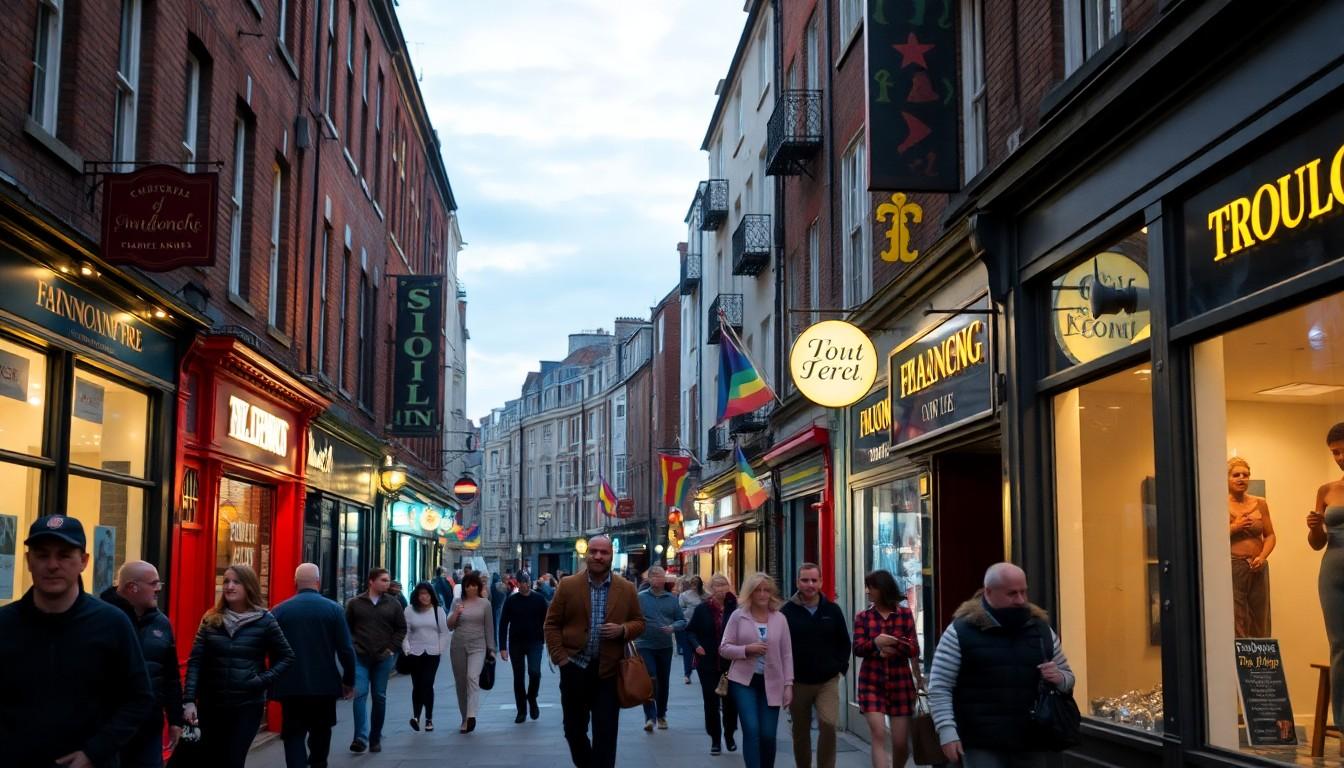
Travellers are turning to gayborhoods as essential stops on LGBTQ+ city breaks, seeking more than nightlife alone. From London’s Soho and New York’s Hell’s Kitchen to Wilton Manors, the Castro and Le Marais, these neighbourhoods blend queer history, welcoming businesses, culture and a reassuring sense of belonging.
Why gayborhoods matter beyond the bar crawl
A great gayborhood can change the feel of an unfamiliar city almost instantly. Step into one and the details start to register: rainbow flags in shop windows, busy pavements, friendly cafés and the comforting buzz of people who understand why the area matters. Research on LGBTQ+ urban districts also points to their wider social and cultural role, not just their nightlife appeal. [7]
That makes these neighbourhoods useful starting points for visitors. They offer places to eat, shop, meet locals and learn how queer communities have shaped a city over time. The best areas feel lived-in rather than staged, which is precisely why they can become the emotional centre of a trip. [4]
Soho and Hell’s Kitchen take the top spot
Readers placed London’s Soho and New York City’s Hell’s Kitchen jointly at the top, though the two districts deliver noticeably different experiences. Soho is compact, central and steeped in queer history, with long-standing venues and easy access to theatres, galleries, restaurants and major shopping streets. [4]
Hell’s Kitchen, meanwhile, has developed into one of Manhattan’s most concentrated LGBTQ+ nightlife hubs. Visitors will find drag shows, bars, restaurants and late-night energy, with plenty of options for travellers who want a lively evening without crossing half the city. New York’s broader LGBTQ+ travel scene also makes it an easy base for exploring beyond the neighbourhood. [4]
The contrast is part of the appeal. Soho feels layered and historic, while Hell’s Kitchen is often more immediate and nightlife-driven. In both, the smartest approach is to wander with a loose plan, then follow the music, lights or queue that looks most promising.
Wilton Manors proves smaller can be stronger
Wilton Manors, near Fort Lauderdale, came next in the reader poll, and it’s easy to understand the affection. The area has a walkable concentration of LGBTQ+-owned businesses, cafés, shops and bars, giving it a friendly, self-contained feel that suits visitors who'd rather not rely on taxis between every stop. [2]
It’s also a destination with substance beyond cocktails and dancing. Local guides highlight community institutions, inclusive businesses and a strong connection to South Florida’s LGBTQ+ life, while the area’s relaxed pace makes it particularly appealing for a slower break. [3]
For first-time visitors, Wilton Drive is the natural place to begin. Go early enough to enjoy coffee or lunch, then stay into the evening as the atmosphere shifts. And yes, a frozen drink may become part of the itinerary whether you planned for one or not.
The Castro, West Hollywood and Le Marais bring distinct flavours
San Francisco’s Castro, Los Angeles’ West Hollywood and Paris’ Le Marais shared third place, but grouping them together doesn’t mean they're interchangeable. The Castro carries immense historical weight and remains closely associated with LGBTQ+ activism, visibility and community life. It rewards visitors who mix landmark-hopping with time in local bars, bookshops and cafés. [7]
West Hollywood offers a more polished, entertainment-led version of the gayborhood experience. Travel guides point to its dense collection of nightlife, restaurants and LGBTQ+ venues, making it straightforward to plan a full evening within a relatively small area. [6]
Le Marais adds a different note, combining queer nightlife with historic streets, design shops, museums and some of Paris’ most appealing food stops. It’s ideal for travellers who want their LGBTQ+ itinerary woven into a wider cultural weekend rather than separated from it.
How to choose the right neighbourhood for your trip
Start with the mood you want. Soho and the Castro suit travellers interested in history and atmosphere; Hell’s Kitchen and West Hollywood lean towards energetic nightlife; Wilton Manors is better for a walkable, sociable escape. If style, food and sightseeing matter as much as evening plans, Le Marais is a particularly strong choice.
It’s also worth checking the calendar before booking. Pride events, drag performances, festivals and major weekends can transform prices, queues and availability. A neighbourhood that feels relaxed on a Tuesday may be gloriously chaotic on a Saturday night, so match the timing to your tolerance for crowds.
Finally, don't assume the most famous street tells the whole story. Speak to staff at independent venues, support LGBTQ+-owned businesses where possible and leave room for quieter community spaces. The most memorable part of a gayborhood is often the small, human moment between the headline attractions.
The best gayborhood is the one that feels welcoming
The reader vote suggests there isn't one universal formula. Some travellers want historic significance, others want a packed dance floor, and plenty are looking for both, preferably within a few minutes’ walk. That variety is what makes LGBTQ+ neighbourhoods such rewarding travel anchors.
These districts also continue to evolve as cities change. Their future depends on keeping community memory, local businesses and welcoming public spaces visible, even as rents, tourism and nightlife trends reshape urban life. For visitors, that means arriving with curiosity rather than treating a gayborhood as a checklist item.
Choose the neighbourhood that matches your pace, then let the city surprise you.
Source Reference Map
Story idea inspired by: [1]
Sources by paragraph:
- Paragraph 1: [7]
- Paragraph 2: [4]
- Paragraph 3: [4]
- Paragraph 4: [2], [3]
- Paragraph 5: [3]
- Paragraph 6: [4]
- Paragraph 7: [7]
- Paragraph 8: [6]
- Paragraph 9: [2], [3]
- Paragraph 10: [4], [6]
- Paragraph 11: [7]
- Paragraph 12: [6]
- Paragraph 13: [2], [3]
- Paragraph 14: [4], [6]
- Paragraph 15: [7]
- Paragraph 16: [2], [3]
- Paragraph 17: [4], [6]
- Paragraph 18: [7]