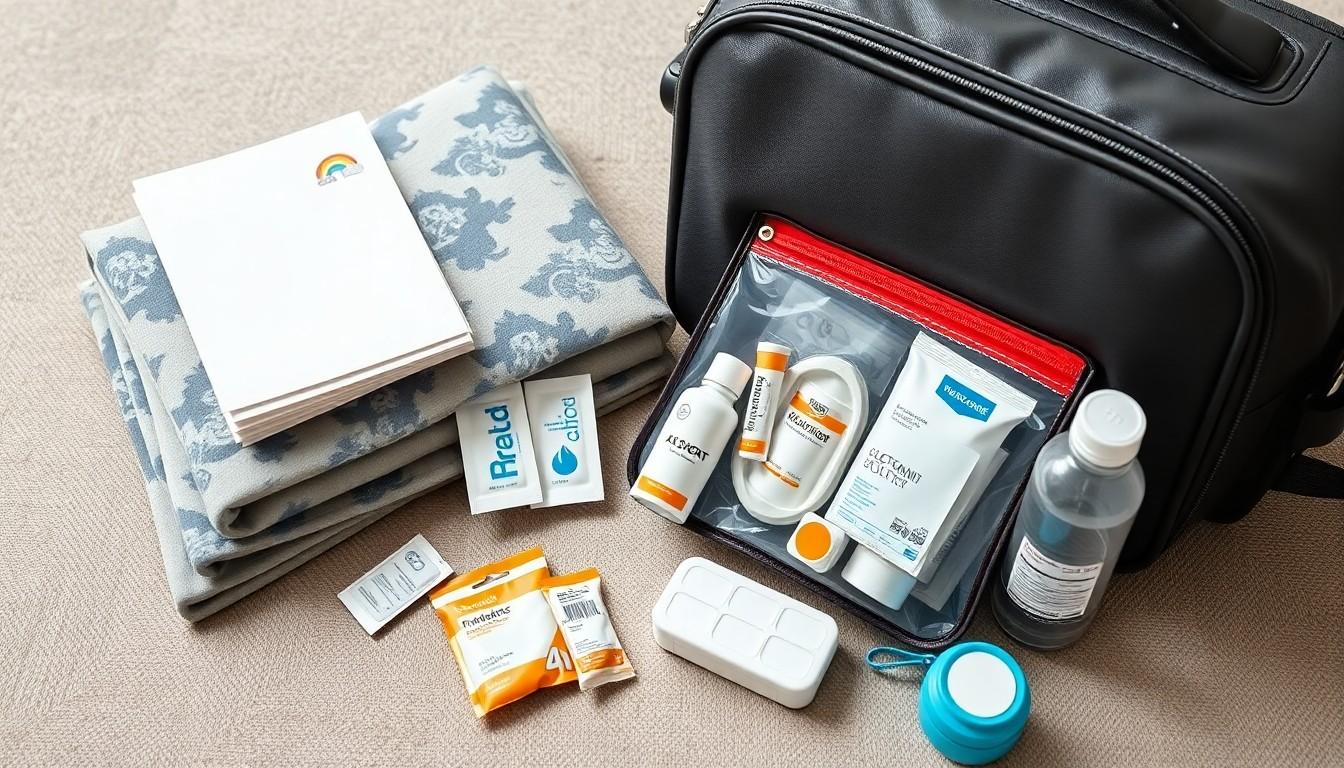
Travellers are turning to smarter carry-on health kits for festivals, beach breaks and long weekends abroad, where lost luggage, unfamiliar pharmacies and late nights can quickly derail the fun. From HIV prevention medicines and DoxyPEP to blister plasters, sunscreen and hydration sachets, a little preparation can make a big difference when you're far from home.
Essential Takeaways
- Keep medicines close: Pack prescriptions in your hand luggage, with extra supply for delays.
- Plan sexual healthcare: DoxyPEP and PrEP require proper medical advice and aren't interchangeable.
- Protect your gut: Rehydration sachets, fibre and carefully chosen stomach remedies can be useful.
- Pack for walking: Hydrocolloid blister plasters are small, light and wonderfully practical.
- Don't skip sun protection: SPF 50 becomes especially important when taking doxycycline.
The smartest travel kit starts with prevention
A good gay travel health kit isn't about cramming every possible tablet into a washbag. It's about anticipating the annoyances that can turn a brilliant trip into a stressful one: a missed dose, a lost suitcase, a painful blister or an urgent search for a pharmacy.
Sexual health deserves particular attention. The US Centers for Disease Control and Prevention says doxycycline post-exposure prophylaxis, commonly known as DoxyPEP, can reduce the risk of certain bacterial sexually transmitted infections for specific people when taken as prescribed. It should be discussed with a healthcare professional rather than treated as a universal after-sex remedy.
That distinction matters. DoxyPEP doesn't prevent HIV or every STI, and it isn't a substitute for condoms, testing or PrEP. As the CDC's clinical guidance makes clear, eligibility, timing and ongoing monitoring all form part of responsible use.
DoxyPEP and PrEP need different plans
DoxyPEP is generally taken after sex, while PrEP is used to prevent HIV. They sit in the same travel conversation, but they do entirely different jobs. The CDC recommends discussing doxycycline use with a clinician, particularly because resistance, side effects and local guidance need to be considered.
If you're taking PrEP or HIV treatment, your medication belongs in your carry-on, not in checked luggage. The CDC's advice for travellers living with HIV also highlights the importance of carrying enough medicine, keeping it clearly labelled and planning around time zones.
A sensible approach is to bring a buffer for delays, while checking the rules of your destination before departure. Keep prescriptions in their original packaging and carry a copy of your prescription or a doctor's letter where appropriate. It may not feel glamorous, but it beats explaining loose tablets to a customs official.
Hydration, digestion and sleep are holiday essentials
Long flights, hot weather, dancing and alcohol can leave even seasoned travellers feeling wrung out. Rehydration powders are compact and easy to use, while regular water remains the unglamorous hero of any travel health kit. Use them sensibly rather than treating an electrolyte sachet as a magic hangover cure.
For stomach trouble, pack only remedies you know you can take safely. Bismuth products and loperamide may be useful in some situations, but severe diarrhoea, blood in the stool, fever or signs of dehydration call for medical help. Local public-health advice, including guidance from South Carolina's health department, stresses the importance of preventing dehydration and seeking care when symptoms are serious or persistent.
Fibre can help maintain routine when meals become unpredictable, but introduce it with enough water. Melatonin may help some people adjust to a new schedule, although sleep aids shouldn't be mixed casually with alcohol or other sedating medicines. Jet lag is irritating enough without adding a pharmaceutical plot twist.
Small items can rescue a very long day
Travel health isn't all prescriptions and prevention. A few lightweight basics can save the day when you're walking across a city or queuing at a festival. Hydrocolloid blister plasters, antiseptic wipes, pain relief and a compact first-aid strip are easy additions that take up almost no room.
Barrier protection and personal lubricant are equally practical. Buying them abroad is possible, of course, but familiar products in sealed travel packs remove guesswork. Check compatibility between lubricant and condoms, and avoid using oil-based products with latex barriers.
Sunscreen belongs in this category too. Broad-spectrum SPF 50, sunglasses and a hat are hardly thrilling purchases, but they're far more enjoyable than spending the next morning hiding from daylight. If you're using doxycycline, ask your clinician or pharmacist about sun sensitivity and take extra care outdoors.
Check the rules before you fly
Medicine regulations vary by country, and a product that's easy to buy at home may be controlled or handled differently elsewhere. The CDC's travel guidance recommends planning ahead, checking destination requirements and carrying medicines in original labelled containers.
Before leaving, review your doses, refill anything running low and save emergency contact details for your prescriber and insurer. It can also help to identify a reputable clinic or pharmacy near your accommodation, especially if you're travelling for more than a few days.
The best kit is discreet, organised and tailored to your own health needs. Pack the essentials, know what each item is for and leave the heroic improvisation to the dance floor.
A few well-chosen essentials can keep your holiday safer, smoother and much more enjoyable.
Source Reference Map
Story idea inspired by: [1]
Sources by paragraph:
- Paragraph 1: [2], [5]
- Paragraph 2: [3], [4]
- Paragraph 3: [2], [6]
- Paragraph 4: [5], [7]
- Paragraph 5: [2], [5]
- Paragraph 6: [7], [5]
- Paragraph 7: [5], [6]
- Paragraph 8: [2], [4]
- Paragraph 9: [5], [7]
- Paragraph 10: [5], [6]
- Paragraph 11: [5], [7]
- Paragraph 12: [5], [2]
- Paragraph 13: [5], [6]
- Paragraph 14: [5], [7]