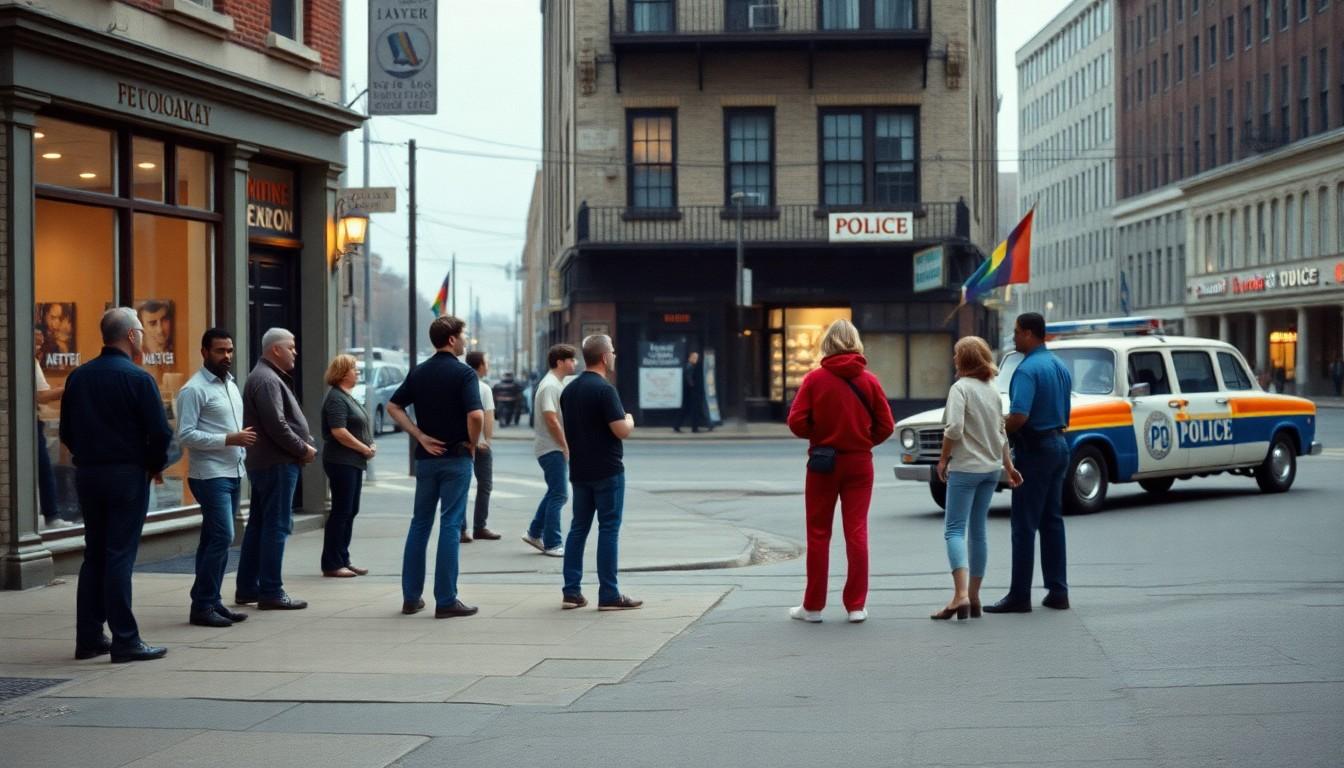
Historians and Stonewall veterans are challenging the enduring claim that Judy Garland’s death sparked the 1969 uprising in New York. The real story is harsher and more important: LGBTQ+ people resisted police harassment, criminalisation and humiliation, then organised a movement that reshaped modern queer history.
Essential Takeaways
- Stonewall was resistance: The uprising followed years of police raids, arrests and discrimination.
- The Garland story is weakly sourced: The explanation appeared soon after the riots, but no independent evidence ties it to participants.
- Stereotypes shaped the myth: The theory reduced political resistance to a caricature of emotional gay men.
- The aftermath mattered: Activists formed organisations, published newspapers and held the first Pride march.
- Living history is at risk: Oral histories, photographs and personal documents need preserving while witnesses are still here.
The Stonewall myth misses the point
The strongest detail in this historical dispute is also the simplest: people at Stonewall were confronting the police, not staging a musical tribute. Windows were smashed, arrests were made and people were injured as a long-suppressed anger spilled into the streets. LGBTQ+ Nation has similarly highlighted veterans' insistence that the night represented revolution rather than celebrity mourning.
That distinction matters because Stonewall wasn't an isolated burst of emotion. As The Advocate's exploration of Stonewall myths makes clear, the uprising emerged from a wider pattern of raids, harassment and official hostility towards LGBTQ+ people. The atmosphere was already combustible; Judy Garland's death, however moving to some fans, doesn't explain that political pressure.
Where did the Judy Garland story come from?
The Garland explanation appeared in a Village Voice column less than two weeks after the riots, according to the account published by EPGN. It was attributed to a man named Dick Neuweiler, but his connection to the uprising remains uncertain. There is no established record showing that he was an eyewitness, organiser or participant in the emerging liberation movement.
That weak foundation didn't stop the idea travelling. LGBTQ+ Nation has previously examined how the theory became attached to Stonewall, while The List documents its continued presence in popular retellings. Repetition can make an anecdote feel solid, but history needs more than a memorable line and a famous name.
Why the stereotype feels so damaging
The problem isn't simply that the Garland theory may be inaccurate. It also carries an old, belittling assumption: that queer people rioted because they were overly emotional about a Hollywood idol. That framing turns a collective response to oppression into a punchline, stripping the event of its courage and political force.
PBS NewsHour's reporting on what Stonewall means to people who were there shows why personal testimony remains so important. Participants describe a community confronting power and demanding dignity, not a crowd swept away by celebrity grief. It is a far more complicated story, but also a far more truthful one.
Stonewall became a movement
The street clashes were only the beginning. In the months that followed, activists joined groups such as the Gay Liberation Front, organised demonstrations, produced publications and pushed LGBTQ+ visibility into public life. The following year's march in New York helped establish the tradition now recognised around the world as Pride.
That longer view changes the question. Instead of asking whether Judy Garland caused Stonewall, we should ask what made people ready to resist and what they built afterwards. Coverage from Seattle Gay News and PBS points towards that broader legacy: a riot became a movement because people kept organising after the headlines faded.
Who gets to tell LGBTQ+ history?
Early newspaper reports are valuable, but they aren't automatically neutral. Straight reporters often viewed LGBTQ+ life through the stereotypes of their era, and those accounts later became convenient source material for historians. The result is a familiar danger: the first version in print can overshadow the voices of those who lived through the event.
There are still Stonewall veterans and early activists who can correct the record, but time is running short. Oral-history projects, archived photographs, community newspapers and private papers can add the texture that official accounts often miss. As EPGN argues, preserving those voices isn't nostalgia; it's a practical way to stop folklore standing in for evidence.
Stonewall wasn't about people crying over Judy Garland. It was about people who'd been pushed too far pushing back, and then deciding to organise.
Explore the history through the voices of those who were there.
Source Reference Map
Story idea inspired by: [1]
Sources by paragraph: