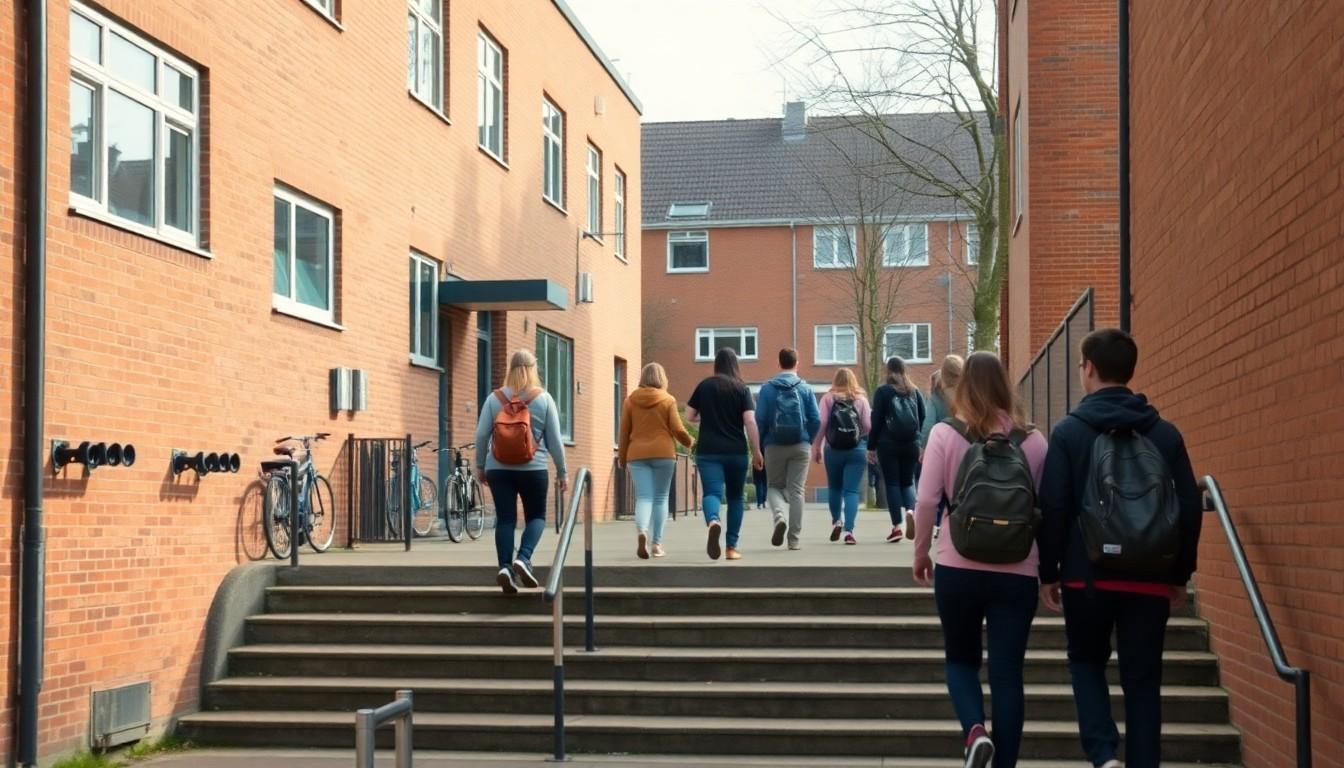
A sharp fall in positive attitudes towards homosexuality among Dutch schoolchildren has raised concern across the Netherlands, with researchers pointing to online misogyny, anti-LGBTQ+ politics and an increasingly hostile public debate. The findings matter because early attitudes often shape whether young people feel safe, respected and able to be themselves.
Essential Takeaways
- Support has fallen sharply: Just over one in five Dutch boys aged 12 to 16 now view homosexuality positively.
- Girls’ attitudes have shifted too: Positive views among girls have dropped from 78% to 51%.
- Online culture may be contributing: Researchers link the change to manosphere influencers and hostile political messaging.
- The pattern isn’t isolated: US polling also shows weaker support for same-sex marriage and LGBTQ+ rights.
- Schools remain crucial: Inclusive teaching and clear anti-bullying policies can help counter damaging stereotypes.
A startling reversal in Dutch attitudes
The Netherlands has long been seen as one of Europe’s more socially liberal countries, which makes the latest figures especially unsettling. Research from the Health Behaviour in School-aged Children study suggests that only around 22% of boys aged 12 to 16 now hold a positive view of homosexuality, according to Dutch News.
That represents an 18-point fall in four years. Among girls, the decline is even more dramatic in percentage terms, with positive views dropping from 78% to 51%. Behind the statistics are young people deciding what they believe about relationships, identity and belonging, often while absorbing an extraordinary amount of content online.
The survey’s Dutch findings are detailed in the 2025 national report from HBSC Nederland. It’s a reminder that tolerance isn’t a permanent achievement. Attitudes can move backwards when public conversation becomes louder, harsher and less human. [2], [3]
Why the manosphere is part of the conversation
Gonneke Stevens, a professor at Utrecht University, has suggested that the change may be connected to the growing reach of anti-gay and misogynist online figures. These influencers often package resentment as entertainment, mixing hostility towards women with attacks on LGBTQ+ people and anyone seen as supportive of them.
The appeal can be blunt but effective. Short videos, podcasts and provocative posts reward outrage, while algorithms can repeatedly place the same claims in front of young users. For a teenager still working out who they are, constant exposure to language portraying LGBTQ+ people as dangerous can make prejudice seem normal rather than extreme.
Marie Ricardo of COC Nederland described the figures as frightening, arguing that young people have increasingly encountered these views at the same time as their attitudes towards homosexuality have worsened. Her concern is not abstract. A colder school environment can mean more concealment, more anxiety and fewer trusted adults to turn to. [2], [3]
Social media is changing the debate faster than schools can
The Netherlands’ openly gay prime minister, Rob Jetten, has also highlighted the power of social media and said the government should consider how platforms respond to harmful content. That puts pressure on technology companies, but it also raises a difficult question: who decides where political disagreement ends and targeted dehumanisation begins?
The issue has already surfaced in Dutch disputes over books, sex education and LGBTQ+ visibility. Attempts to label ordinary discussions of queer families or identity as a threat to children can make even basic representation seem controversial. Meanwhile, writers and organisations caught in these campaigns may face harassment and threats.
Schools cannot control every video a pupil sees at home, but they can offer something social media often lacks: context. Clear teaching about relationships, respectful disagreement and LGBTQ+ history gives pupils a way to test sensational claims rather than simply absorb them. [1], [2]
The American picture looks uncomfortably familiar
The Dutch results arrive alongside a fall in US support for LGBTQ+ rights. Gallup polling found that support for same-sex marriage declined from 71% in 2023 to 65% in 2026, while the share of Americans saying same-sex relationships are morally acceptable fell from 71% in 2022 to 62%.
The decline has been particularly visible among Republicans, according to reporting and analysis from Axios. Support among Democrats and independents has been more stable, suggesting that the shift is closely tied to political identity and the media environments people inhabit.
That matters for young people because political rhetoric rarely stays confined to parliament or television studios. Once claims about LGBTQ+ people being a threat to children are repeated by politicians, commentators and online personalities, pupils may encounter them as everyday social cues. The result is a feedback loop in which fear is presented as common sense. [4], [5], [6], [7]
What parents and schools can do now
Adults don’t need to answer every online claim with a lecture. A calmer approach is often more useful: ask where a young person saw something, what evidence was offered and whether the content was designed to provoke a reaction. It also helps to make clear that disagreement about politics isn’t a licence for harassment or slurs.
Schools should pair inclusive curriculum content with practical protections. That means taking homophobic bullying seriously, supporting pupils who are questioning their identity and making sure staff know how to respond when online abuse spills into the classroom.
The figures are worrying, but they’re not destiny. Young people’s attitudes can change again when they’re given accurate information, visible support and the confidence to question the loudest voices in their feeds. [2], [3], [4]
It's a small but vital reminder that acceptance needs active support, not just a good reputation.
Source Reference Map
Story idea inspired by: [1]
Sources by paragraph: