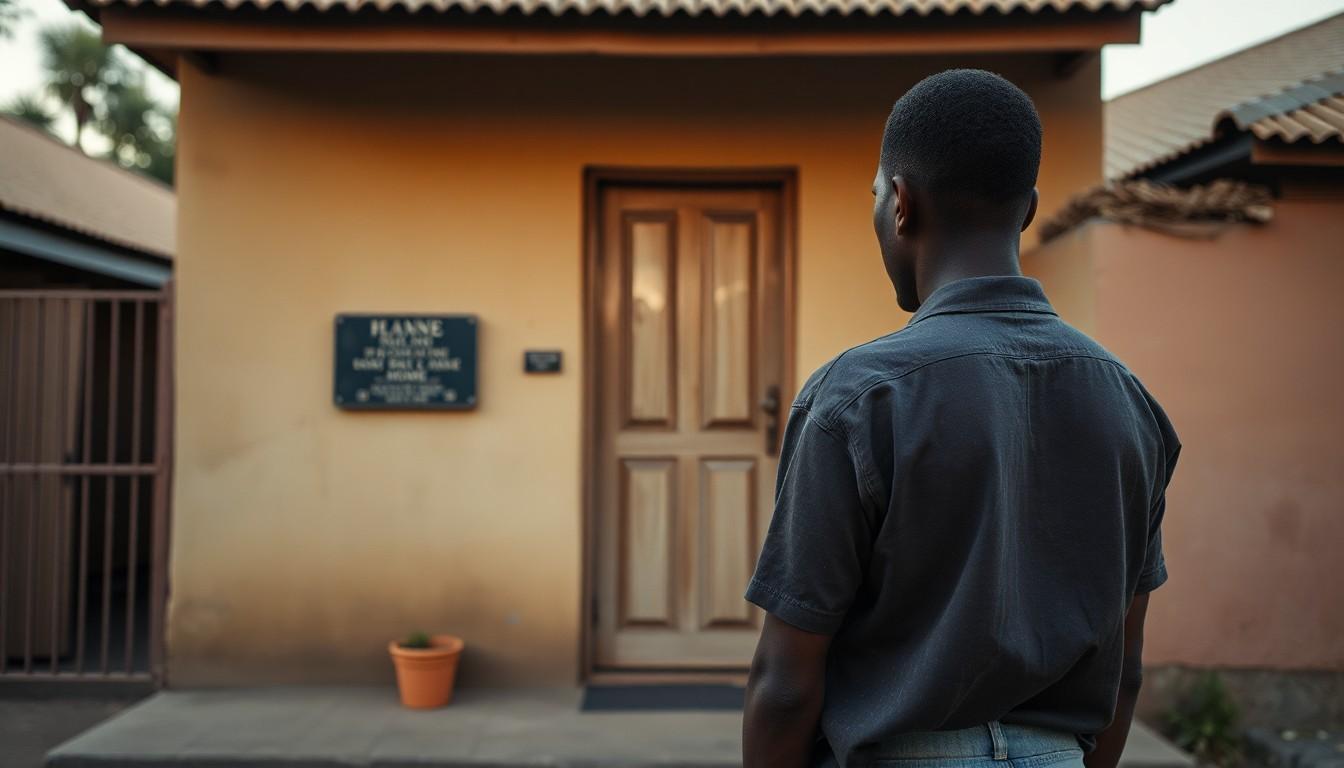
Readers are turning to creative non-fiction for a more intimate view of Lesbian Visibility Week, faith and family rejection. Gathigia Warui’s powerful piece, published by Brittle Paper, follows a queer woman navigating a painful break with a beloved relative, a lost romance and the stubborn hope that tenderness can survive.
Essential Takeaways
- A personal reckoning: The essay explores how rejection from family can cut especially deeply when love and admiration once felt foundational.
- Faith sits at the centre: Biblical passages frame the writer’s questions about grace, judgement, suffering and compassion.
- Visibility has a human cost: Lesbian Visibility Week becomes a moment to consider both public recognition and private vulnerability.
- Hope remains present: The piece ultimately reaches towards love without punishment, shame or demands to disappear.
When admiration turns into rejection
The essay opens with a confrontation that feels painfully ordinary and devastatingly intimate. A relative, once admired for his powerful preaching and dignified presence, demands that the writer remove a septum piercing and dismisses her queerness.
That detail matters because the wound isn't delivered by a stranger. This is someone whose voice, clothes and public faith helped shape the writer's imagination. The memory of a towering, charismatic uncle makes the later rejection feel less like a disagreement and more like the collapse of an internal landmark.
The essay's central question is difficult but recognisable: what happens when the people who helped you become yourself can't accept the person you've become?
Faith is not a backdrop here
Scripture appears throughout the piece, but not as decoration. Verses from Ephesians, Corinthians, Lamentations and Matthew create a conversation between inherited religious language and lived experience.
The reference to Ephesians presents salvation as grace rather than achievement, according to the New International Version text published by Christianity.com. Against that idea, the writer places the conditional love and moral condemnation often directed at queer people. The tension is sharp: a faith built around mercy can still be used to justify exclusion.
That contradiction gives the essay much of its emotional force. It doesn't simply reject religion. Instead, it asks whether compassion can be reclaimed from the people who wield scripture as a weapon.
Lesbian Visibility Week brings private grief into view
Lesbian Visibility Week is designed to celebrate lesbian lives, raise awareness and encourage greater understanding. Its official platform presents visibility as a way to recognise lesbian communities and challenge their erasure, while related guides from Parade and other LGBTQ+ organisations highlight participation, education and practical allyship.
But visibility can feel complicated when public celebration meets private loss. In Warui's essay, the wider cultural moment sits beside memories of being cursed, rejected and told to return to an earlier version of herself. The result is not a glossy celebration, but something more honest: visibility can bring joy, yet it can also expose the wounds people have been carrying quietly.
That balance is important. Pride calendars often suggest confidence arrives fully formed, when many people are still negotiating family ties, faith and the fear of being misunderstood.
Love can inherit other people's shame
The essay then turns towards a romantic relationship that has ended. Its memories are tactile and tender: kisses, breath, laughter and the easy wit of a woman whose smile no longer turns towards the writer.
What follows is a thoughtful account of how social judgement can enter a relationship before either partner has invited it in. The writer suggests that shame inherited from parents, churches, governments and communities can shape how queer people understand their own bodies and affection.
That idea echoes the wider purpose of visibility campaigns, which aim to make lesbian lives more visible without reducing them to silence or stereotype. Resources from Lesbian Visibility Week and Pride Belongs encourage supportive action, but the essay reminds us that support isn't only about public gestures. Sometimes it means making room for grief, uncertainty and the slow work of trusting love again.
The ending chooses tenderness over disappearance
For all its anger, this is not an essay that ends in defeat. Its final movement imagines something gentler: people meeting without treating one another as wounds, dancing, playing in water and laughing without waiting for punishment.
That hope feels earned because the writing has already acknowledged the risks. The author refuses the easy comfort of pretending family rejection doesn't matter, while also refusing to let it define the future. As guidance from LGBTQ+ organisations around Lesbian Visibility Week suggests, meaningful support must go beyond slogans and show up in everyday acceptance.
The most affecting idea is also the simplest: love shouldn't require someone to become smaller, quieter or less visible. In a world that often asks queer people to endure, this essay asks for something better - tenderness without punishment.
It's a small-sounding wish, but a radical one.
Source Reference Map
Story idea inspired by: [1]
Sources by paragraph: