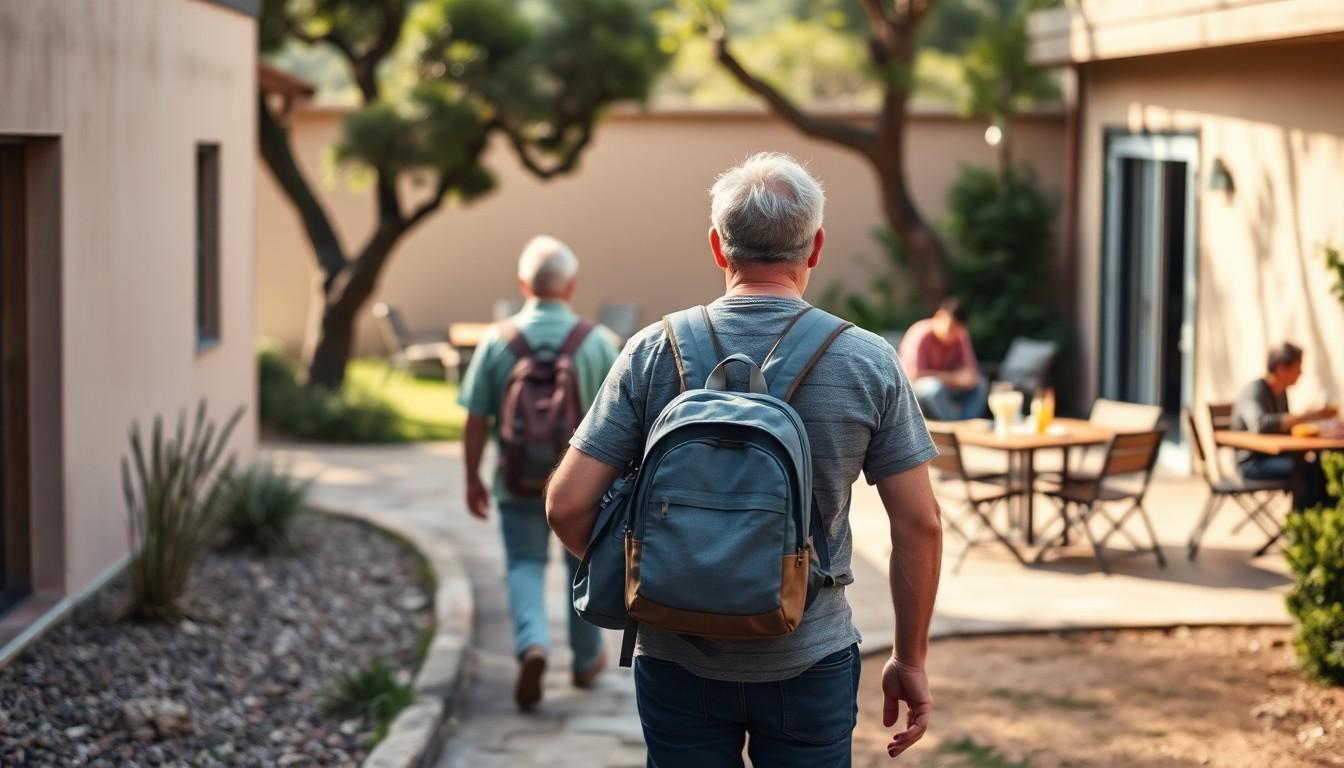
Gay men over 40 are increasingly choosing solo travel for independence without isolation, combining quiet mornings, local discovery, gentle movement and meaningful company. From small-group retreats to thoughtfully planned city breaks, the appeal is clear: travel can offer space to rest, meet people naturally and return home feeling more like yourself.
Essential Takeaways
- Solo doesn't mean solitary: Travellers can keep their independence while building in meals, walks or activities with others.
- Small groups feel more natural: Shared experiences create easy conversation without demanding constant socialising.
- Wellness should feel welcoming: Rest, good food and adaptable movement matter more than intense self-improvement.
- Midlife friendships need new settings: Careers, caring responsibilities and relocation can make traditional social circles harder to maintain.
- The best trips leave breathing room: A flexible itinerary helps travellers choose connection or quiet as the mood takes them.
Why solo travel feels different in midlife
Arriving alone in a new place can feel wonderfully light. There's no debate over breakfast, no negotiation about the day's pace and no need to pretend that every moment deserves a photograph. You can follow a warm patch of sunlight down a side street, linger over coffee or sleep until your body says it's ready. Travel coverage from TNT Magazine has highlighted a similar appeal, presenting solo trips in later life as a chance to reclaim freedom and curiosity. [Source: TNT Magazine]
But independence isn't the same as wanting complete isolation. For many gay men over 40, the real draw is a trip that leaves room for both. A traveller might spend the afternoon exploring alone, then meet others for dinner without having to build an entire social life from scratch. That balance feels especially valuable when everyday life has become full of work, family commitments and carefully managed calendars. Gay Life After 40's advice for single gay men also points towards the importance of creating an enjoyable, connected life rather than waiting for a partner to make plans possible. [Source: Gay Life After 40]
The quiet difference between being alone and feeling lonely
Solitude can be spacious, but loneliness has a different texture. It's the empty chair at a memorable meal, the funny detail you can't message to anyone or the sudden wish for a familiar voice after a long day of sightseeing. A beautiful destination doesn't automatically soften that feeling, and pretending otherwise rarely helps.
That's where organised group travel can be surprisingly useful. Gay men can arrive independently but have a ready-made setting for conversation, whether that's a guided walk, a shared meal or an outing that gives everyone something to discuss. Pivot Trip's coverage of what gay men over 40 want from group travel emphasises this move away from forced entertainment and towards more comfortable, purposeful ways to meet. [Source: Pivot Trip]
The trick is choosing the right level of togetherness. A packed schedule may suit some travellers, while others will want a slow breakfast and a quiet afternoon. Owa He presents its retreats around that middle ground, combining community with personal space rather than treating constant group activity as the measure of a successful holiday. [Source: Owa He]
Why making friends can get harder after 40
Friendship often happens accidentally when we're younger. School, shared housing, first jobs and nightlife keep placing the same people in front of us. Later, those useful structures can disappear. Friends move away, relationships take priority, careers become consuming and caring responsibilities leave little energy for arranging yet another evening out.
For gay men, the local social scene may also feel less aligned with what they want from life. That doesn't mean nightlife or dating apps have no value, but neither necessarily provides the slower, more dependable closeness many people are seeking. Unveil China's discussion of gay men over 40 reflects the importance of age-aware community and belonging, particularly in settings where social expectations can be complicated. [Source: Unveil China]
Travel can offer a fresh setting without demanding a complete reinvention. A group walk, food tour or movement class gives people a natural starting point. Nobody needs a dazzling introduction when there's already a market stall to inspect or a new neighbourhood to explore. That takes the pressure off, which is often when conversation gets better.
Small-group retreats make connection less awkward
There is something reassuring about a trip with enough structure to help people meet but enough freedom to prevent the experience feeling like summer camp. The best small-group travel doesn't insist that everyone become instant friends. It simply creates repeated, low-pressure opportunities to share time.
Owa He's retreat model centres on gay men travelling together through activities, local discovery, meals and downtime. That format matters because it lets connection build gradually. One conversation over breakfast can become another on a walk, while a traveller who needs an hour alone isn't made to feel as though he's missing the point. [Source: Owa He]
This kind of travel also offers a useful alternative to highly performative social spaces. You don't need to be the funniest, fittest or most outgoing person in the room. Sometimes it's enough to show up, listen to someone else's story and discover that a comfortable silence can be part of the holiday too.
Wellness should restore, not tell you off
Wellness holidays can sound intimidating when every activity appears designed to improve, optimise or correct you. Yet many travellers are looking for something far simpler: better sleep, a satisfying meal, a swim, a stretch and a few days without making every decision alone.
Flexible movement is particularly important. One person may enjoy a vigorous class, while another prefers a gentle walk or a quiet morning by the pool. A welcoming trip allows both without turning either choice into a test. Rest isn't a reward for completing the itinerary; it's one of the reasons to travel in the first place.
That softer approach fits the wider appeal of midlife travel. TNT Magazine's account of taking a gap-year-style trip at 40 captures the idea that exploration doesn't belong exclusively to the young. [Source: TNT Magazine] Meanwhile, Woman and Home's story about becoming a midlife travel blogger reflects how travel can open a new chapter without requiring someone to discard the life they've already built. [Source: Woman and Home]
The best trips leave you more yourself
Travel marketing often promises transformation, but the most convincing changes are usually quieter. You may return more willing to accept an invitation, clearer about the kind of company you enjoy or simply refreshed by remembering that curiosity is still available to you.
That is why the phrase "solo travel for gay men over 40" covers more than a particular destination or itinerary. It's about the conditions around the journey: safety, ease, relevant community, private time and opportunities to meet people without having to explain every part of your history.
A successful trip doesn't need to produce a new personality. It may simply give you the confidence to take the longer route home, linger at breakfast or say yes to the next invitation. And honestly, that can be a more useful souvenir than another crowded schedule.
Solo is how you arrive, but connection may be how you leave.
Source Reference Map
Story idea inspired by: [1]
Sources by paragraph: