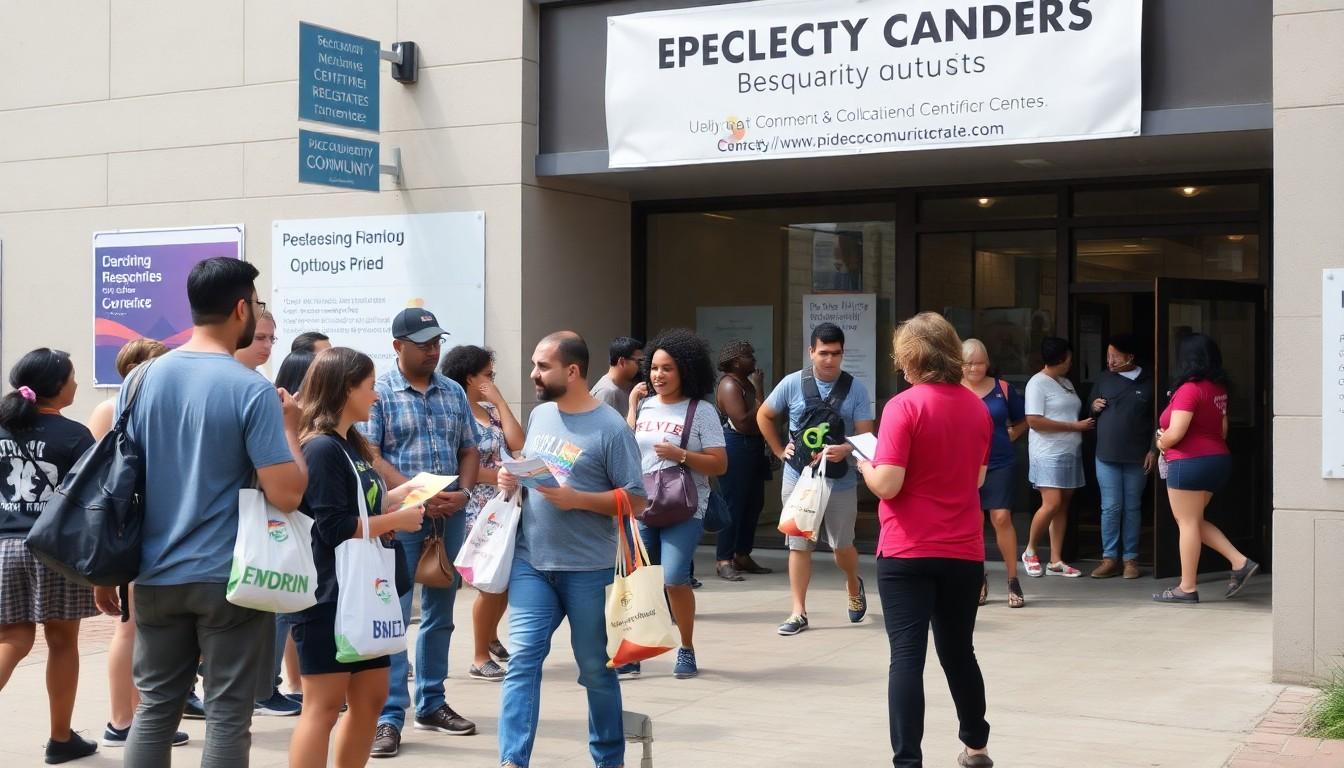
Atlanta’s LGBTQ community is thriving in many forms, from social clubs and sports teams to support networks, arts groups and welcoming faith communities. Together, these organisations show why the city’s gay village isn’t simply a place on a map, but a living network of people creating connection, belonging and plenty of reasons to show up.
Essential Takeaways
- Community comes in many forms: Atlanta offers social, sporting, cultural, political and support-based LGBTQ spaces.
- Newcomers have options: Clubs and organisations can make meeting people less daunting, especially after moving to the city.
- Sport brings people together: Stonewall Sports Atlanta offers an active route into friendship and local involvement.
- Support remains vital: PFLAG Black Atlanta provides community and advocacy centred on Black LGBTQ people and their families.
- The village keeps changing: Online groups, arts events, faith communities and social clubs now sit alongside traditional venues.
Atlanta’s LGBTQ community is bigger than one neighbourhood
Spend a Saturday in Atlanta and it’s easy to see that LGBTQ life here can’t be reduced to a single bar, street or annual Pride event. The city’s community is spread across social clubs, sports leagues, fundraisers, cultural organisations, faith groups and informal friendship networks.
That variety is part of the appeal. Someone looking for a lively night out might find their people at a party, while someone else may feel more at home at a community meeting, a theatre event or a Sunday gathering. The atmosphere changes, but the underlying need is familiar: people want somewhere they can relax without explaining themselves. Stonewall Sports Atlanta and Cathedral of St Philip’s community programmes reflect two very different ways that connection can happen. ([4], [7])
The result is less a single village than a collection of welcoming doorways. Some are loud and glittery; others are calm, structured and wonderfully ordinary.
Why social groups still matter in an app-first city
Digital platforms make it easier to discover events, but they don’t necessarily solve loneliness. A message thread can arrange a night out, yet it can’t always replace the small human moment of being greeted when you arrive alone.
That’s where organised groups can make a difference. Atlanta’s newer social spaces, including the Axios Social Club reported in Old Fourth Ward, point to continued interest in gathering in person rather than relying entirely on apps. The format may be contemporary, but the purpose is familiar: create a reliable place where people can meet, talk and return. ([2])
Counter-Culture Live adds another layer through arts and performance, showing how cultural events can become social anchors as well as entertainment. The best groups often work because they give people a reason to come back, even when they don’t yet know anyone. ([5])
From sports leagues to support networks
For many newcomers, sport is a practical way to make friends without the pressure of constant conversation. A match, training session or team social gives people something to do with their hands, which can make that first introduction feel far less awkward.
Stonewall Sports Atlanta is part of that wider tradition, using recreational sport to build LGBTQ connection and community. It’s a useful reminder that belonging doesn’t always begin with a deep conversation. Sometimes it starts with a team shirt, a shared laugh and the sudden realisation that you’ve been invited along for next week. ([4])
Other organisations offer more focused support. PFLAG Black Atlanta centres Black LGBTQ people, families and allies, while the Metro Atlanta Association of African Americans in Psychology creates space around professional and community connection. These groups matter because “LGBTQ community” is not a single experience, and people often need spaces that recognise race, family dynamics, profession and culture as well as sexuality or gender. ([3], [6])
How to choose the right LGBTQ group in Atlanta
The most suitable group depends on what you want from it. If you’re hoping to meet people casually, look for clubs, live events or social gatherings with a clear welcome for newcomers. If you’d rather have a built-in activity, sport, volunteering or creative events can take some pressure off the conversation.
It’s also worth checking the rhythm of a group before committing. Is it a one-off event or something regular? Does it welcome beginners? Are there membership costs, age requirements or registration steps? A quick look at the organisation’s current calendar and social channels can save you from turning up underdressed, overprepared or, worse, at the wrong venue.
And don’t judge a group by the first five minutes. Arriving alone can feel like entering a room where everyone else already knows the choreography. Give it one proper visit, introduce yourself to an organiser and see whether the atmosphere feels kind, not merely fashionable.
The gay village is evolving, not disappearing
There’s a familiar debate about whether apps, changing nightlife habits and rising costs are weakening LGBTQ neighbourhoods. But Atlanta suggests the story is more complicated. Community may be less concentrated in one physical strip, yet it’s still visible in the organisations that host events, raise money, offer support and bring strangers together.
Faith communities, arts groups and sporting organisations all play a role in that broader picture. Cathedral of St Philip’s community work shows how LGBTQ belonging can also exist within established institutions, while groups such as PFLAG Black Atlanta demonstrate the continuing importance of advocacy and peer support. ([3], [7])
The city’s LGBTQ future will probably be more mixed than nostalgic: part neighbourhood, part calendar, part group chat and part unexpected invitation. That may sound less tidy than the old village model, but it can also be more flexible. As one human truth remains constant, people keep a community alive by turning up for one another.
It’s a small invitation that can lead to a much bigger life.
Source Reference Map
Story idea inspired by: [1]
Sources by paragraph: