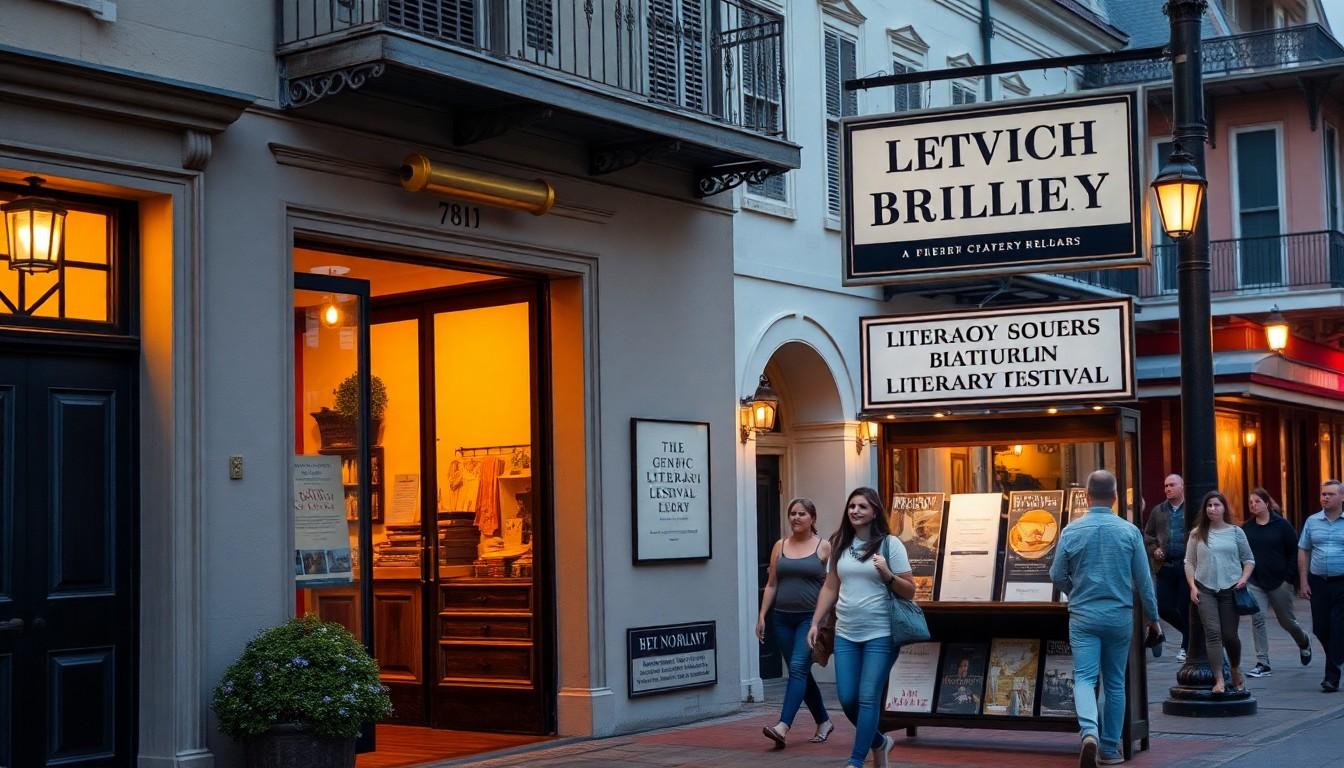
Travellers are discovering that New Orleans offers far more than jazz, gumbo and grand celebrations. From queer literary festivals and historic bars to Mardi Gras krewes and underground history tours, the city gives LGBTQ+ visitors meaningful ways to connect with its creative past and lively present.
Essential Takeaways
- Literary heart: The French Quarter remains closely linked with Tennessee Williams, Truman Capote and other influential writers.
- Festival timing: Saints and Sinners and the Tennessee Williams Literary Festival make March an especially rich time to visit.
- Living history: Queer history tours connect visitors with drag, jazz, Carnival and nightlife traditions.
- Plan ahead: Mardi Gras and Southern Decadence bring packed hotels, busy venues and higher prices.
- Look beyond Bourbon Street: Independent bookshops, museums, music venues and neighbourhood restaurants add depth to the trip.
New Orleans wears its queer history proudly
New Orleans reveals its character in layers. There’s the humid air, the wrought-iron balconies and the distant brass of a street performer, but beneath the familiar postcard image lies a remarkably rich LGBTQ+ story.
The city’s queer culture is woven through literature, nightlife, jazz, Carnival and community activism. According to the Tennessee Williams & New Orleans Literary Festival, New Orleans has long attracted writers with its distinctive architecture, social energy and famously open-ended sense of possibility.
That makes the destination particularly rewarding for travellers who want more than a standard weekend break. A stroll through the French Quarter can become a literary trail, a history lesson or an introduction to a still-thriving bar scene, sometimes before lunchtime.
A literary city with plenty to say
March offers one of the clearest ways into New Orleans’ creative spirit. The Saints and Sinners LGBTQ+ Literary Festival runs alongside the Tennessee Williams & New Orleans Literary Festival, creating a packed programme of author talks, workshops, performances, panels and walking tours.
The next combined festival season is scheduled for 17 to 21 March 2027, with Saints and Sinners taking place from 19 to 21 March. It’s a useful date for travellers who enjoy building a holiday around ideas, conversation and the occasional dramatic reading.
Outside festival season, the French Quarter still provides a vivid connection to the city’s literary heritage. The Historic New Orleans Collection preserves material relating to the people and communities that shaped the city, while Friends of the Cabildo offers tours that help turn handsome old buildings into places with a story.
For a quieter afternoon, Octavia Books is a strong stop in Uptown. Its shelves cover regional history, fiction and diverse contemporary voices, and the nearby cafe setting adds an appealingly relaxed, bookish pause to the day.
Follow the city’s queer history underground
New Orleans’ LGBTQ+ history isn’t confined to museums. Specialist guides explore the less polished, more rebellious stories behind the city’s nightlife, including drag culture, queer Carnival, jazz, sex work, organised crime and the venues that offered refuge during hostile periods.
Queer Underground Tours presents this history as a living part of the city rather than a sealed-off chapter. That approach matters because many historic queer spaces remain active, giving visitors the unusual chance to learn about the past and then spend the evening in a venue with its own continuing role in local life.
The LGBT+ Archives Project of Louisiana also offers valuable context through its Queer History Exhibit Space and walking tours. Meanwhile, the Historic New Orleans Collection’s growing LGBTQ+ documentation helps preserve objects and memories that might otherwise disappear.
It’s worth pairing a queer history tour with a broader cultural experience, too. Tours focused on Black history, resistance and creativity can illuminate the close connections between New Orleans’ Black and queer communities, particularly through music, performance and public celebration.
Where to stay, eat and listen
The Monteleone makes a natural base for literary pilgrims, thanks to its French Quarter location and long association with writers. Its Carousel Bar remains one of the city’s more memorable places for a drink, with a gently revolving setting that feels both theatrical and wonderfully old-fashioned.
Travellers wanting a more contemporary atmosphere could look towards Virgin Hotels New Orleans or The Barnett. Both offer stylish communal spaces, lively food and drink programmes, and a record of hosting Pride-related events and drag brunches.
For music, The Pontchartrain Hotel is a compelling choice. Its Bayou Bar hosts live jazz in an intimate setting, while the rooftop Hot Tin brings sweeping city views. It’s the sort of pairing that makes sense in New Orleans: a little brass downstairs, a cool cocktail upstairs.
Food lovers should leave room for neighbourhood exploring. Octavia Books’ proximity to Cafe Malou creates an easy bookshop-and-brunch combination, while hotel restaurants such as Criollo offer a more polished evening. New Orleans is generous with both grand nights out and unfussy meals, so there’s no need to make every booking feel like an occasion.
Nightlife, Carnival and choosing the right season
For a first taste of LGBTQ+ nightlife, the Golden Lantern and Oz are known for drag, while Allways Lounge offers alternative performance and burlesque. Cafe Lafitte in Exile, Good Friends and Bourbon Pub Parade each provide different moods, from relaxed conversation to energetic late-night entertainment.
The best choice depends on what you want from the evening. Visitors seeking a historic, low-key drink may prefer a quieter bar, while those hoping for drag, dancing and costumes should check event listings before heading out. New Orleans nightlife is wonderfully fluid, and pop-up events can be as important as permanent venues.
Carnival is the city’s biggest cultural invitation. Gay krewes, elaborate balls and costume traditions have played a major role in New Orleans’ queer community for decades. Mardi Gras Day falls on 9 February 2027, with the official Carnival season beginning on 6 January.
Southern Decadence, held over Labor Day weekend, brings another major wave of queer celebration, with parties, concerts and a parade. In both cases, book accommodation early, check venue rules and build in time away from the busiest streets. A little planning leaves more energy for the fun stuff.
How to make the trip feel personal
Start with one organised experience, then leave space to wander. A literary festival, queer history tour or museum visit gives you useful context, while an unplanned stop at a bar, gallery or bookshop lets the city surprise you.
The official New Orleans tourism organisation offers LGBTQ+ travel information and event guidance, while the festival and archive websites are useful for checking dates, accessibility and ticket details. These are especially valuable during Mardi Gras and Southern Decadence, when schedules change quickly and popular events can sell out.
Most importantly, don’t treat New Orleans’ queer culture as a themed add-on. It’s part of the city’s creative DNA, visible in its music, language, performance and appetite for reinvention. As one local guide puts it, the city’s history is still active, and that’s precisely what makes it so compelling.
A thoughtful itinerary turns New Orleans from a fun destination into a place you’ll remember with real affection.
Explore the city at your own pace, and let its queer history lead the way.
Source Reference Map
Story idea inspired by: [1]
Sources by paragraph:
- Paragraph 1: [2], [3]
- Paragraph 2: [4], [5]
- Paragraph 3: [6], [7]
- Paragraph 4: [2], [4]
- Paragraph 5: [3], [5]
- Paragraph 6: [6], [7]
- Paragraph 7: [4], [6]
- Paragraph 8: [5], [6]
- Paragraph 9: [4], [6]
- Paragraph 10: [4], [5]
- Paragraph 11: [4], [6]
- Paragraph 12: [2], [3]
- Paragraph 13: [4], [6]
- Paragraph 14: [4], [5]
- Paragraph 15: [2], [3]
- Paragraph 16: [4], [6]
- Paragraph 17: [5], [6]
- Paragraph 18: [4], [7]